
Home
You Can't Use My Name: The RSVP/PPX Sessions
Barnes and Noble
Loading Inventory...
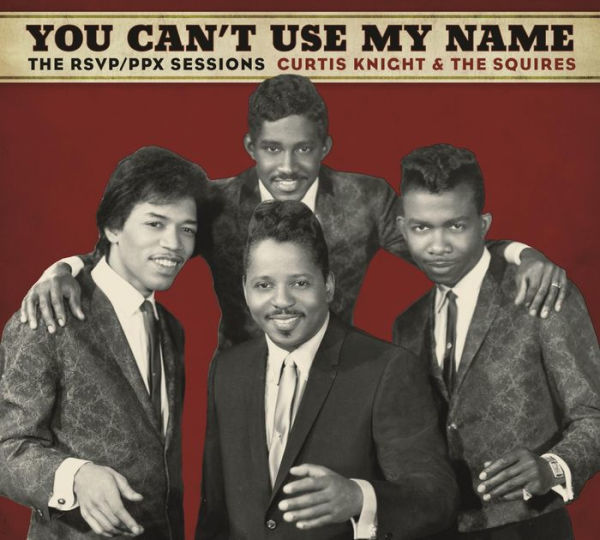
You Can't Use My Name: The RSVP/PPX Sessions in Chattanooga, TN
Current price: $12.99
Barnes and Noble
You Can't Use My Name: The RSVP/PPX Sessions in Chattanooga, TN
Current price: $12.99
Loading Inventory...
Size: OS
Just prior to forming
the Experience
,
Jimi Hendrix
hit hard times. He had pawned his guitar and was living in a New York City hotel, which is where he met
Curtis Knight
, a soul singer who worked the local Harlem circuit with his band
the Squires
.
Knight
gave
Hendrix
a spare six-string and brought him into
, where he was soon ushered into the studio to record the single "How Would You Feel." There,
Jimi
met record man
Ed Chalpin
, who insisted
sign a record contract prior to the start of the session. The guitarist later claimed he thought he was signing onto a role as a mere sideman but the contract tied him to
Chalpin
's
PPX Records
, a situation that became problematic once
Chas Chandler
signed
to a contract in 1966. Once
Are You Experienced?
became an international hit,
came calling to collect his share and this is where things got complicated. Lawsuits came down the pike yet
kept heading back into the studio to jam with
, all the while claiming he was doing this while not under contract. Whether he was right or not would be a matter for the courts, but it did give
more music to peddle to other labels -- which he did, striking a deal with
Capitol
to release an album called
Get That Feeling
in December 1967 so it could capitalize on the sales of
was the first of what turned out to be countless repackagings of the
PPX
material, most passed off as a genuine
record so the label could hoodwink unsuspecting fans.
Legacy
's 2015 release
You Can't Use My Name: The RSVP/PPX Sessions
is the first legitimate compilation to place these pre-fame
recordings in the proper context, annotated by
John McDermott
, containing all the original, un-overdubbed masters, including an audio snippet where
insists to
that his name cannot be used upon release. Presenting these fly-by-night singles and late-night jams as archival material instead of a quickie for suckers elevates the music slightly, forcing the listener to tackle this grooving soul as formative
work. He's not the problem with these sides by any means. Riding the rhythms with more energy than the drummer and sliding into liquid leads,
is what captures the attention and his first stabs at composing -- not so much the instrumental "Knock Yourself Out," but rather the fuzzy, furious "Hornet's Nest" and bright, danceable "Station Break" -- point the way toward his work with
, however, isn't a compelling leader, although he does work hard, rewriting
Dylan
's "Like a Rolling Stone" as a black rock protest song called "How Would You Feel" and swinging along with "Gotta Have a New Dress." Elsewhere, he either fades into the background or simply isn't present, and the rest of
are at his level. Undoubtedly, the star attraction is
and even if this is formative, it's fascinating in context -- and that context is what
You Can't Use My Name
finally provides. ~ Stephen Thomas Erlewine
the Experience
,
Jimi Hendrix
hit hard times. He had pawned his guitar and was living in a New York City hotel, which is where he met
Curtis Knight
, a soul singer who worked the local Harlem circuit with his band
the Squires
.
Knight
gave
Hendrix
a spare six-string and brought him into
, where he was soon ushered into the studio to record the single "How Would You Feel." There,
Jimi
met record man
Ed Chalpin
, who insisted
sign a record contract prior to the start of the session. The guitarist later claimed he thought he was signing onto a role as a mere sideman but the contract tied him to
Chalpin
's
PPX Records
, a situation that became problematic once
Chas Chandler
signed
to a contract in 1966. Once
Are You Experienced?
became an international hit,
came calling to collect his share and this is where things got complicated. Lawsuits came down the pike yet
kept heading back into the studio to jam with
, all the while claiming he was doing this while not under contract. Whether he was right or not would be a matter for the courts, but it did give
more music to peddle to other labels -- which he did, striking a deal with
Capitol
to release an album called
Get That Feeling
in December 1967 so it could capitalize on the sales of
was the first of what turned out to be countless repackagings of the
PPX
material, most passed off as a genuine
record so the label could hoodwink unsuspecting fans.
Legacy
's 2015 release
You Can't Use My Name: The RSVP/PPX Sessions
is the first legitimate compilation to place these pre-fame
recordings in the proper context, annotated by
John McDermott
, containing all the original, un-overdubbed masters, including an audio snippet where
insists to
that his name cannot be used upon release. Presenting these fly-by-night singles and late-night jams as archival material instead of a quickie for suckers elevates the music slightly, forcing the listener to tackle this grooving soul as formative
work. He's not the problem with these sides by any means. Riding the rhythms with more energy than the drummer and sliding into liquid leads,
is what captures the attention and his first stabs at composing -- not so much the instrumental "Knock Yourself Out," but rather the fuzzy, furious "Hornet's Nest" and bright, danceable "Station Break" -- point the way toward his work with
, however, isn't a compelling leader, although he does work hard, rewriting
Dylan
's "Like a Rolling Stone" as a black rock protest song called "How Would You Feel" and swinging along with "Gotta Have a New Dress." Elsewhere, he either fades into the background or simply isn't present, and the rest of
are at his level. Undoubtedly, the star attraction is
and even if this is formative, it's fascinating in context -- and that context is what
You Can't Use My Name
finally provides. ~ Stephen Thomas Erlewine
Just prior to forming
the Experience
,
Jimi Hendrix
hit hard times. He had pawned his guitar and was living in a New York City hotel, which is where he met
Curtis Knight
, a soul singer who worked the local Harlem circuit with his band
the Squires
.
Knight
gave
Hendrix
a spare six-string and brought him into
, where he was soon ushered into the studio to record the single "How Would You Feel." There,
Jimi
met record man
Ed Chalpin
, who insisted
sign a record contract prior to the start of the session. The guitarist later claimed he thought he was signing onto a role as a mere sideman but the contract tied him to
Chalpin
's
PPX Records
, a situation that became problematic once
Chas Chandler
signed
to a contract in 1966. Once
Are You Experienced?
became an international hit,
came calling to collect his share and this is where things got complicated. Lawsuits came down the pike yet
kept heading back into the studio to jam with
, all the while claiming he was doing this while not under contract. Whether he was right or not would be a matter for the courts, but it did give
more music to peddle to other labels -- which he did, striking a deal with
Capitol
to release an album called
Get That Feeling
in December 1967 so it could capitalize on the sales of
was the first of what turned out to be countless repackagings of the
PPX
material, most passed off as a genuine
record so the label could hoodwink unsuspecting fans.
Legacy
's 2015 release
You Can't Use My Name: The RSVP/PPX Sessions
is the first legitimate compilation to place these pre-fame
recordings in the proper context, annotated by
John McDermott
, containing all the original, un-overdubbed masters, including an audio snippet where
insists to
that his name cannot be used upon release. Presenting these fly-by-night singles and late-night jams as archival material instead of a quickie for suckers elevates the music slightly, forcing the listener to tackle this grooving soul as formative
work. He's not the problem with these sides by any means. Riding the rhythms with more energy than the drummer and sliding into liquid leads,
is what captures the attention and his first stabs at composing -- not so much the instrumental "Knock Yourself Out," but rather the fuzzy, furious "Hornet's Nest" and bright, danceable "Station Break" -- point the way toward his work with
, however, isn't a compelling leader, although he does work hard, rewriting
Dylan
's "Like a Rolling Stone" as a black rock protest song called "How Would You Feel" and swinging along with "Gotta Have a New Dress." Elsewhere, he either fades into the background or simply isn't present, and the rest of
are at his level. Undoubtedly, the star attraction is
and even if this is formative, it's fascinating in context -- and that context is what
You Can't Use My Name
finally provides. ~ Stephen Thomas Erlewine
the Experience
,
Jimi Hendrix
hit hard times. He had pawned his guitar and was living in a New York City hotel, which is where he met
Curtis Knight
, a soul singer who worked the local Harlem circuit with his band
the Squires
.
Knight
gave
Hendrix
a spare six-string and brought him into
, where he was soon ushered into the studio to record the single "How Would You Feel." There,
Jimi
met record man
Ed Chalpin
, who insisted
sign a record contract prior to the start of the session. The guitarist later claimed he thought he was signing onto a role as a mere sideman but the contract tied him to
Chalpin
's
PPX Records
, a situation that became problematic once
Chas Chandler
signed
to a contract in 1966. Once
Are You Experienced?
became an international hit,
came calling to collect his share and this is where things got complicated. Lawsuits came down the pike yet
kept heading back into the studio to jam with
, all the while claiming he was doing this while not under contract. Whether he was right or not would be a matter for the courts, but it did give
more music to peddle to other labels -- which he did, striking a deal with
Capitol
to release an album called
Get That Feeling
in December 1967 so it could capitalize on the sales of
was the first of what turned out to be countless repackagings of the
PPX
material, most passed off as a genuine
record so the label could hoodwink unsuspecting fans.
Legacy
's 2015 release
You Can't Use My Name: The RSVP/PPX Sessions
is the first legitimate compilation to place these pre-fame
recordings in the proper context, annotated by
John McDermott
, containing all the original, un-overdubbed masters, including an audio snippet where
insists to
that his name cannot be used upon release. Presenting these fly-by-night singles and late-night jams as archival material instead of a quickie for suckers elevates the music slightly, forcing the listener to tackle this grooving soul as formative
work. He's not the problem with these sides by any means. Riding the rhythms with more energy than the drummer and sliding into liquid leads,
is what captures the attention and his first stabs at composing -- not so much the instrumental "Knock Yourself Out," but rather the fuzzy, furious "Hornet's Nest" and bright, danceable "Station Break" -- point the way toward his work with
, however, isn't a compelling leader, although he does work hard, rewriting
Dylan
's "Like a Rolling Stone" as a black rock protest song called "How Would You Feel" and swinging along with "Gotta Have a New Dress." Elsewhere, he either fades into the background or simply isn't present, and the rest of
are at his level. Undoubtedly, the star attraction is
and even if this is formative, it's fascinating in context -- and that context is what
You Can't Use My Name
finally provides. ~ Stephen Thomas Erlewine
You May Also Like












More About Barnes and Noble at Hamilton Place
Barnes & Noble is the world’s largest retail bookseller and a leading retailer of content, digital media and educational products. Our Nook Digital business offers a lineup of NOOK® tablets and e-Readers and an expansive collection of digital reading content through the NOOK Store®. Barnes & Noble’s mission is to operate the best omni-channel specialty retail business in America, helping both our customers and booksellers reach their aspirations, while being a credit to the communities we serve.
2100 Hamilton Pl Blvd, Chattanooga, TN 37421, United States
Find Barnes and Noble at Hamilton Place in Chattanooga, TN
Visit Barnes and Noble at Hamilton Place in Chattanooga, TN
