
Home
Wrecked: the Edmund Fitzgerald and Sinking of American Economy
Barnes and Noble
Loading Inventory...
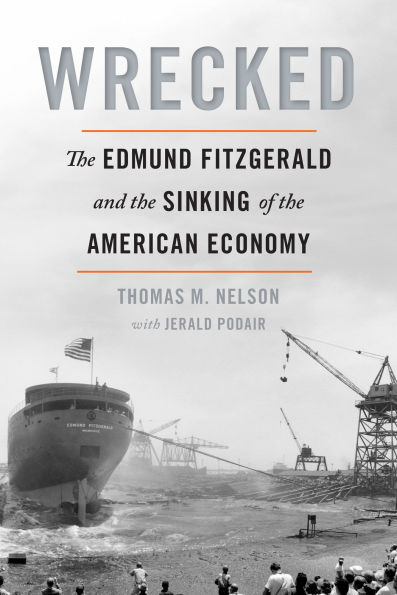
Wrecked: the Edmund Fitzgerald and Sinking of American Economy in Chattanooga, TN
Current price: $29.95
Barnes and Noble
Wrecked: the Edmund Fitzgerald and Sinking of American Economy in Chattanooga, TN
Current price: $29.95
Loading Inventory...
Size: Paperback
Wrecked
links the story of America’s most infamous shipwreck to the story of an even larger disasterthe wreck of the American industrial economy. When the
Edmund Fitzgerald
went down in a Lake Superior storm on November 10, 1975, more was lost than the ship and the twentynine lives on board. The disaster was a human tragedy as well as an indictment of the American industrial policies that eventually cost the nation thousands of jobs and marooned hundreds of communities. Written with a passionate yet factually grounded intensity,
shows that the reasons for the decline of industrial manufacturing in the upper Midwest are linked to why the
sank, and to the legal turmoil that followed for the victims’ families. The book conveys the sense of loss that still is felt by those affected, along with the outrage over the disappearance of manufacturing jobs and the inadequate maintenance and legal maneuvering over liability for the sinking of the ship. What follows is a fascinating critique of what went wrong and why.
links the story of America’s most infamous shipwreck to the story of an even larger disasterthe wreck of the American industrial economy. When the
Edmund Fitzgerald
went down in a Lake Superior storm on November 10, 1975, more was lost than the ship and the twentynine lives on board. The disaster was a human tragedy as well as an indictment of the American industrial policies that eventually cost the nation thousands of jobs and marooned hundreds of communities. Written with a passionate yet factually grounded intensity,
shows that the reasons for the decline of industrial manufacturing in the upper Midwest are linked to why the
sank, and to the legal turmoil that followed for the victims’ families. The book conveys the sense of loss that still is felt by those affected, along with the outrage over the disappearance of manufacturing jobs and the inadequate maintenance and legal maneuvering over liability for the sinking of the ship. What follows is a fascinating critique of what went wrong and why.
Wrecked
links the story of America’s most infamous shipwreck to the story of an even larger disasterthe wreck of the American industrial economy. When the
Edmund Fitzgerald
went down in a Lake Superior storm on November 10, 1975, more was lost than the ship and the twentynine lives on board. The disaster was a human tragedy as well as an indictment of the American industrial policies that eventually cost the nation thousands of jobs and marooned hundreds of communities. Written with a passionate yet factually grounded intensity,
shows that the reasons for the decline of industrial manufacturing in the upper Midwest are linked to why the
sank, and to the legal turmoil that followed for the victims’ families. The book conveys the sense of loss that still is felt by those affected, along with the outrage over the disappearance of manufacturing jobs and the inadequate maintenance and legal maneuvering over liability for the sinking of the ship. What follows is a fascinating critique of what went wrong and why.
links the story of America’s most infamous shipwreck to the story of an even larger disasterthe wreck of the American industrial economy. When the
Edmund Fitzgerald
went down in a Lake Superior storm on November 10, 1975, more was lost than the ship and the twentynine lives on board. The disaster was a human tragedy as well as an indictment of the American industrial policies that eventually cost the nation thousands of jobs and marooned hundreds of communities. Written with a passionate yet factually grounded intensity,
shows that the reasons for the decline of industrial manufacturing in the upper Midwest are linked to why the
sank, and to the legal turmoil that followed for the victims’ families. The book conveys the sense of loss that still is felt by those affected, along with the outrage over the disappearance of manufacturing jobs and the inadequate maintenance and legal maneuvering over liability for the sinking of the ship. What follows is a fascinating critique of what went wrong and why.
You May Also Like









More About Barnes and Noble at Hamilton Place
Barnes & Noble is the world’s largest retail bookseller and a leading retailer of content, digital media and educational products. Our Nook Digital business offers a lineup of NOOK® tablets and e-Readers and an expansive collection of digital reading content through the NOOK Store®. Barnes & Noble’s mission is to operate the best omni-channel specialty retail business in America, helping both our customers and booksellers reach their aspirations, while being a credit to the communities we serve.
2100 Hamilton Pl Blvd, Chattanooga, TN 37421, United States
Find Barnes and Noble at Hamilton Place in Chattanooga, TN
Visit Barnes and Noble at Hamilton Place in Chattanooga, TN
