
Home
World War Zoos: Humans and Other Animals the Deadliest Conflict of Modern Age
Barnes and Noble
Loading Inventory...
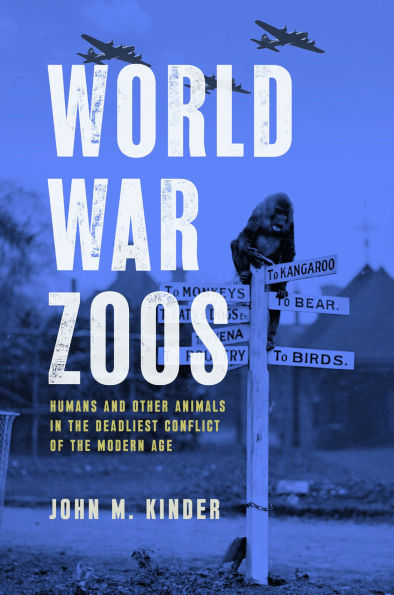
World War Zoos: Humans and Other Animals the Deadliest Conflict of Modern Age in Chattanooga, TN
Current price: $35.00
Barnes and Noble
World War Zoos: Humans and Other Animals the Deadliest Conflict of Modern Age in Chattanooga, TN
Current price: $35.00
Loading Inventory...
Size: Hardcover
A new and heartbreaking history of World War II as told through the shocking experiences of zoos across the globe.
As Europe lurched into war in 1939, zookeepers started killing their animals. On September 1, as German forces invaded Poland, Warsaw began with its reptiles. Two days later, workers at the London Zoo launched a similar spree, dispatching six alligators, seven iguanas, sixteen southern anacondas, six Indian fruit bats, a fishing cat, a binturong, a Siberian tiger, five magpies, an Alexandrine parakeet, two bullfrogs, three lion cubs, a cheetah, four wolves, and a manatee over the next few months. Zoos worldwide did the same. The reasons were many, but the pattern was clear: The war that was about to kill so many people started by killing so many animals. Why? And how did zoos, nevertheless, not just survive the war but play a key role in how people did, too?
A harrowing yet surprisingly uplifting chronicle, Kinder’s
World War Zoos
traces how zoos survived the deadliest decades of global history, from the Great Depression, through the terrors of World War II, to the dawn of the Cold War. More than anything before or since, World War II represented an existential threat to the world’s zoological institutions. Some zoos were bombed; others bore the indignities of foreign occupation. Even zoos that were spared had to wrestle with questions rarely asked in public: What should they do when supplies ran low? Which animals should be killed to protect the lives of others? And how could zoos justify keeping dangerous animals that might escape and run wild during an aerial attack?
Zoos in wartime reveal the shared vulnerabilities of humans and animals during periods of social unrest and environmental peril. World War II-era zoos offered people ways to think about and grapple with imprisonment, powerlessness, and degradation. Viewed today, the story of zoos during World War II can be read as an allegory of twentyfirstcentury crises, as the effects of climate change threaten all life across the planet.
A oneofakind history,
is the story of how the world’s zoos survived the deadliest conflict of the twentieth centuryand what was lost along the way.
As Europe lurched into war in 1939, zookeepers started killing their animals. On September 1, as German forces invaded Poland, Warsaw began with its reptiles. Two days later, workers at the London Zoo launched a similar spree, dispatching six alligators, seven iguanas, sixteen southern anacondas, six Indian fruit bats, a fishing cat, a binturong, a Siberian tiger, five magpies, an Alexandrine parakeet, two bullfrogs, three lion cubs, a cheetah, four wolves, and a manatee over the next few months. Zoos worldwide did the same. The reasons were many, but the pattern was clear: The war that was about to kill so many people started by killing so many animals. Why? And how did zoos, nevertheless, not just survive the war but play a key role in how people did, too?
A harrowing yet surprisingly uplifting chronicle, Kinder’s
World War Zoos
traces how zoos survived the deadliest decades of global history, from the Great Depression, through the terrors of World War II, to the dawn of the Cold War. More than anything before or since, World War II represented an existential threat to the world’s zoological institutions. Some zoos were bombed; others bore the indignities of foreign occupation. Even zoos that were spared had to wrestle with questions rarely asked in public: What should they do when supplies ran low? Which animals should be killed to protect the lives of others? And how could zoos justify keeping dangerous animals that might escape and run wild during an aerial attack?
Zoos in wartime reveal the shared vulnerabilities of humans and animals during periods of social unrest and environmental peril. World War II-era zoos offered people ways to think about and grapple with imprisonment, powerlessness, and degradation. Viewed today, the story of zoos during World War II can be read as an allegory of twentyfirstcentury crises, as the effects of climate change threaten all life across the planet.
A oneofakind history,
is the story of how the world’s zoos survived the deadliest conflict of the twentieth centuryand what was lost along the way.
A new and heartbreaking history of World War II as told through the shocking experiences of zoos across the globe.
As Europe lurched into war in 1939, zookeepers started killing their animals. On September 1, as German forces invaded Poland, Warsaw began with its reptiles. Two days later, workers at the London Zoo launched a similar spree, dispatching six alligators, seven iguanas, sixteen southern anacondas, six Indian fruit bats, a fishing cat, a binturong, a Siberian tiger, five magpies, an Alexandrine parakeet, two bullfrogs, three lion cubs, a cheetah, four wolves, and a manatee over the next few months. Zoos worldwide did the same. The reasons were many, but the pattern was clear: The war that was about to kill so many people started by killing so many animals. Why? And how did zoos, nevertheless, not just survive the war but play a key role in how people did, too?
A harrowing yet surprisingly uplifting chronicle, Kinder’s
World War Zoos
traces how zoos survived the deadliest decades of global history, from the Great Depression, through the terrors of World War II, to the dawn of the Cold War. More than anything before or since, World War II represented an existential threat to the world’s zoological institutions. Some zoos were bombed; others bore the indignities of foreign occupation. Even zoos that were spared had to wrestle with questions rarely asked in public: What should they do when supplies ran low? Which animals should be killed to protect the lives of others? And how could zoos justify keeping dangerous animals that might escape and run wild during an aerial attack?
Zoos in wartime reveal the shared vulnerabilities of humans and animals during periods of social unrest and environmental peril. World War II-era zoos offered people ways to think about and grapple with imprisonment, powerlessness, and degradation. Viewed today, the story of zoos during World War II can be read as an allegory of twentyfirstcentury crises, as the effects of climate change threaten all life across the planet.
A oneofakind history,
is the story of how the world’s zoos survived the deadliest conflict of the twentieth centuryand what was lost along the way.
As Europe lurched into war in 1939, zookeepers started killing their animals. On September 1, as German forces invaded Poland, Warsaw began with its reptiles. Two days later, workers at the London Zoo launched a similar spree, dispatching six alligators, seven iguanas, sixteen southern anacondas, six Indian fruit bats, a fishing cat, a binturong, a Siberian tiger, five magpies, an Alexandrine parakeet, two bullfrogs, three lion cubs, a cheetah, four wolves, and a manatee over the next few months. Zoos worldwide did the same. The reasons were many, but the pattern was clear: The war that was about to kill so many people started by killing so many animals. Why? And how did zoos, nevertheless, not just survive the war but play a key role in how people did, too?
A harrowing yet surprisingly uplifting chronicle, Kinder’s
World War Zoos
traces how zoos survived the deadliest decades of global history, from the Great Depression, through the terrors of World War II, to the dawn of the Cold War. More than anything before or since, World War II represented an existential threat to the world’s zoological institutions. Some zoos were bombed; others bore the indignities of foreign occupation. Even zoos that were spared had to wrestle with questions rarely asked in public: What should they do when supplies ran low? Which animals should be killed to protect the lives of others? And how could zoos justify keeping dangerous animals that might escape and run wild during an aerial attack?
Zoos in wartime reveal the shared vulnerabilities of humans and animals during periods of social unrest and environmental peril. World War II-era zoos offered people ways to think about and grapple with imprisonment, powerlessness, and degradation. Viewed today, the story of zoos during World War II can be read as an allegory of twentyfirstcentury crises, as the effects of climate change threaten all life across the planet.
A oneofakind history,
is the story of how the world’s zoos survived the deadliest conflict of the twentieth centuryand what was lost along the way.
You May Also Like










More About Barnes and Noble at Hamilton Place
Barnes & Noble is the world’s largest retail bookseller and a leading retailer of content, digital media and educational products. Our Nook Digital business offers a lineup of NOOK® tablets and e-Readers and an expansive collection of digital reading content through the NOOK Store®. Barnes & Noble’s mission is to operate the best omni-channel specialty retail business in America, helping both our customers and booksellers reach their aspirations, while being a credit to the communities we serve.
2100 Hamilton Pl Blvd, Chattanooga, TN 37421, United States
Find Barnes and Noble at Hamilton Place in Chattanooga, TN
Visit Barnes and Noble at Hamilton Place in Chattanooga, TN
