
Home
Wireless Technology Prospects and Policy Options
Barnes and Noble
Loading Inventory...
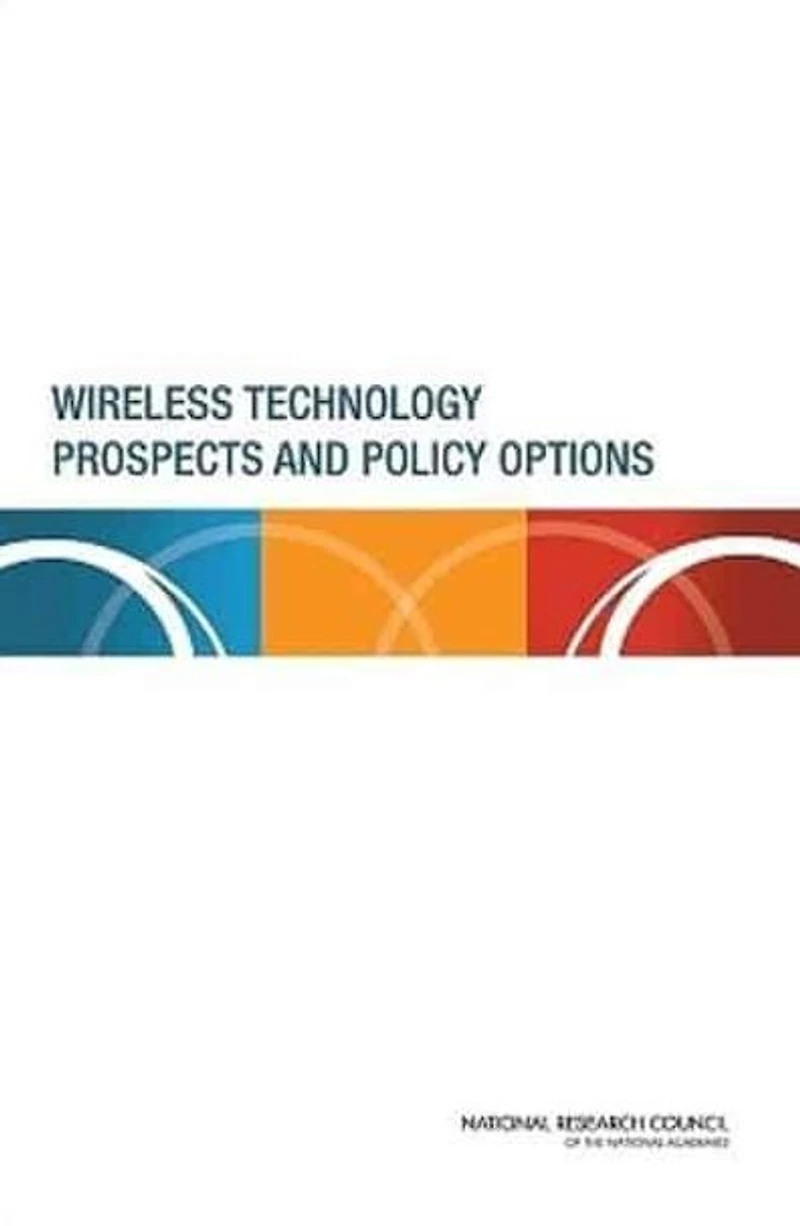
Wireless Technology Prospects and Policy Options in Chattanooga, TN
By Barnes & Noble
Current price: $37.00
Barnes and Noble
Wireless Technology Prospects and Policy Options in Chattanooga, TN
By Barnes & Noble
Current price: $37.00
Loading Inventory...
Size: Paperback
The use of radio-frequency communication—commonly referred to as wireless communication—is becoming more pervasive as well as more economically and socially important. Technological progress over many decades has enabled the deployment of several successive generations of cellular telephone technology, which is now used by many billions of people worldwide; the near-universal addition of wireless local area networking to personal computers; and a proliferation of actual and proposed uses of wireless communications. The flood of new technologies, applications, and markets has also opened up opportunities for examining and adjusting the policy framework that currently governs the management and use of the spectrum and the institutions involved in it, and models for allocating spectrum and charging for it have come under increasing scrutiny. Yet even as many agree that further change to the policy framework is needed, there is debate about precisely how the overall framework should be changed, what trajectory its evolution should follow, and how dramatic or rapid the change should be. Many groups have opinions, positions, demands, and desires related to these questions—reflecting multiple commercial, social, and political agendas and a mix of technical, economic, and social perspectives. The development of technologies and associated policy and regulatory regimes are often closely coupled, an interplay apparent as early as the 1910s, when spectrum policy emerged in response to the growth of radio communications. As outlined in this report, current and ongoing technological advances suggest the need for a careful reassessment of the assumptions that inform spectrum policy in the United States today. This book seeks to shine a spotlight on 21st-century technology trends and to outline the implications of emerging technologies for spectrum management in ways that the committee hopes will be useful to those setting future spectrum policy.
The use of radio-frequency communication—commonly referred to as wireless communication—is becoming more pervasive as well as more economically and socially important. Technological progress over many decades has enabled the deployment of several successive generations of cellular telephone technology, which is now used by many billions of people worldwide; the near-universal addition of wireless local area networking to personal computers; and a proliferation of actual and proposed uses of wireless communications. The flood of new technologies, applications, and markets has also opened up opportunities for examining and adjusting the policy framework that currently governs the management and use of the spectrum and the institutions involved in it, and models for allocating spectrum and charging for it have come under increasing scrutiny. Yet even as many agree that further change to the policy framework is needed, there is debate about precisely how the overall framework should be changed, what trajectory its evolution should follow, and how dramatic or rapid the change should be. Many groups have opinions, positions, demands, and desires related to these questions—reflecting multiple commercial, social, and political agendas and a mix of technical, economic, and social perspectives. The development of technologies and associated policy and regulatory regimes are often closely coupled, an interplay apparent as early as the 1910s, when spectrum policy emerged in response to the growth of radio communications. As outlined in this report, current and ongoing technological advances suggest the need for a careful reassessment of the assumptions that inform spectrum policy in the United States today. This book seeks to shine a spotlight on 21st-century technology trends and to outline the implications of emerging technologies for spectrum management in ways that the committee hopes will be useful to those setting future spectrum policy.
You May Also Like














More About Barnes and Noble at Hamilton Place
Barnes & Noble is the world’s largest retail bookseller and a leading retailer of content, digital media and educational products. Our Nook Digital business offers a lineup of NOOK® tablets and e-Readers and an expansive collection of digital reading content through the NOOK Store®. Barnes & Noble’s mission is to operate the best omni-channel specialty retail business in America, helping both our customers and booksellers reach their aspirations, while being a credit to the communities we serve.
2100 Hamilton Pl Blvd, Chattanooga, TN 37421, United States
Find Barnes and Noble at Hamilton Place in Chattanooga, TN
Visit Barnes and Noble at Hamilton Place in Chattanooga, TN
