
Home
Windows on Justice Northern Iberia, 800-1000
Barnes and Noble
Loading Inventory...
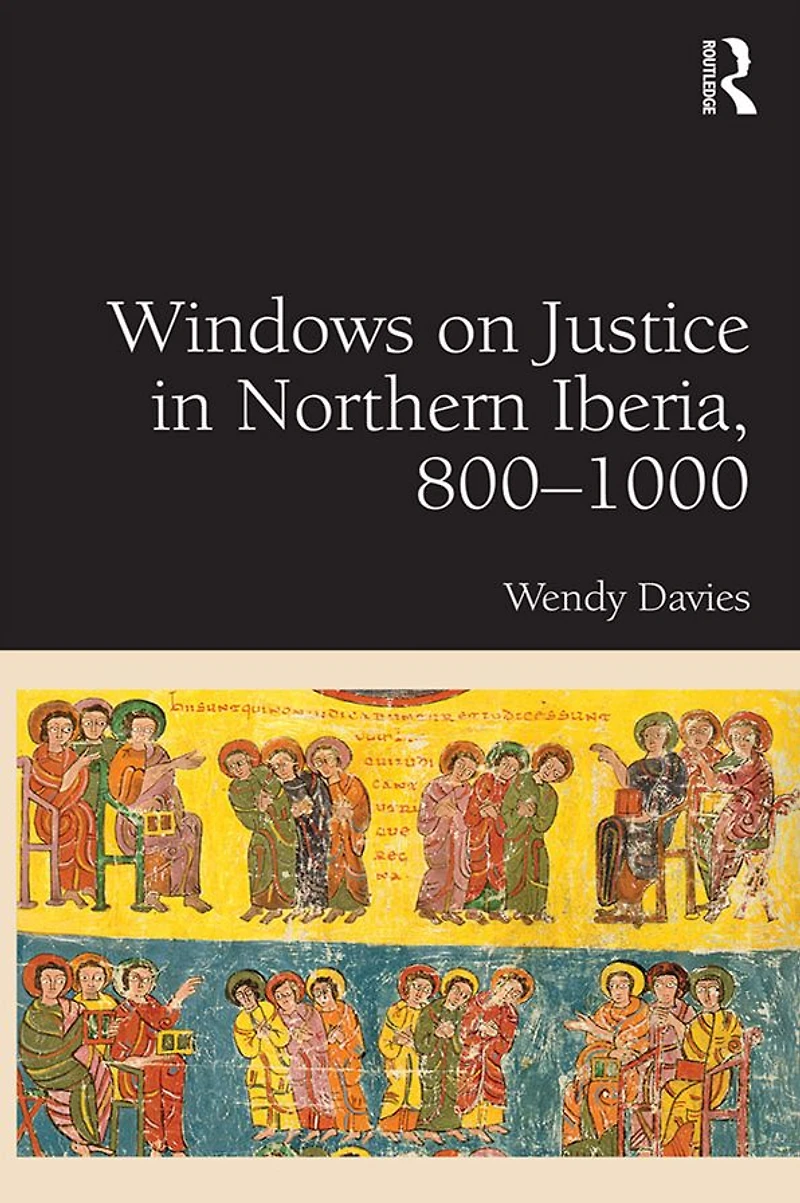
Windows on Justice Northern Iberia, 800-1000 in Chattanooga, TN
By Barnes & Noble
Current price: $64.99
Barnes and Noble
Windows on Justice Northern Iberia, 800-1000 in Chattanooga, TN
By Barnes & Noble
Current price: $64.99
Loading Inventory...
Size: EBook
Although it has a rich historiography, and from the late ninth century is rich in textual evidence, northern Iberia has barely featured in the great debates of early medieval European history of recent generations. Lying beyond the Frankish world, in a peninsula more than half controlled by Muslims, Spanish and Portuguese experience has seemed irrelevant to the Carolingian Empire and the political fragmentation (or realignment) that followed it. But Spain and Portugal shared the late Roman heritage which influenced much of western Europe in the early middle ages and by the tenth century records and practice in the Christian north still shared features with parts farther east. What is interesting, in the wider European context, is that some of the so-called characteristics of the Carolingian world – the public court, collective judgment – are as characteristic of the Iberian world. The suggestion that they disappeared in the Frankish world, to be replaced by 'private' mechanisms, has played a major role in debates about the changing nature of power in the central middle ages: what happened in judicial courts has been central to the grand narratives of Duby and successive historians, for they are a powerful lens into the very real issues of politics and power. Looking at the practice of judicial courts in Europe west of Frankia allows us to think again about the nature of the public; identifying all the records of that practice allows us to adjust the balance between monastic and lay activity. What these show is that peasants, like other lay people, used the courts to seek redress and gain advantages. Records were not entirely framed nor practice entirely dominated by ecclesiastical interests.
Although it has a rich historiography, and from the late ninth century is rich in textual evidence, northern Iberia has barely featured in the great debates of early medieval European history of recent generations. Lying beyond the Frankish world, in a peninsula more than half controlled by Muslims, Spanish and Portuguese experience has seemed irrelevant to the Carolingian Empire and the political fragmentation (or realignment) that followed it. But Spain and Portugal shared the late Roman heritage which influenced much of western Europe in the early middle ages and by the tenth century records and practice in the Christian north still shared features with parts farther east. What is interesting, in the wider European context, is that some of the so-called characteristics of the Carolingian world – the public court, collective judgment – are as characteristic of the Iberian world. The suggestion that they disappeared in the Frankish world, to be replaced by 'private' mechanisms, has played a major role in debates about the changing nature of power in the central middle ages: what happened in judicial courts has been central to the grand narratives of Duby and successive historians, for they are a powerful lens into the very real issues of politics and power. Looking at the practice of judicial courts in Europe west of Frankia allows us to think again about the nature of the public; identifying all the records of that practice allows us to adjust the balance between monastic and lay activity. What these show is that peasants, like other lay people, used the courts to seek redress and gain advantages. Records were not entirely framed nor practice entirely dominated by ecclesiastical interests.
You May Also Like












More About Barnes and Noble at Hamilton Place
Barnes & Noble is the world’s largest retail bookseller and a leading retailer of content, digital media and educational products. Our Nook Digital business offers a lineup of NOOK® tablets and e-Readers and an expansive collection of digital reading content through the NOOK Store®. Barnes & Noble’s mission is to operate the best omni-channel specialty retail business in America, helping both our customers and booksellers reach their aspirations, while being a credit to the communities we serve.
2100 Hamilton Pl Blvd, Chattanooga, TN 37421, United States
Find Barnes and Noble at Hamilton Place in Chattanooga, TN
Visit Barnes and Noble at Hamilton Place in Chattanooga, TN
