
Home
Whose Dog Are You?: The Technology of Breeds and Aesthetics Modern Human-Canine Relations
Barnes and Noble
Loading Inventory...
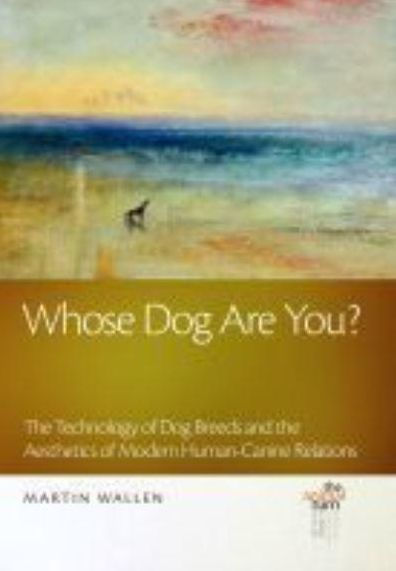
Whose Dog Are You?: The Technology of Breeds and Aesthetics Modern Human-Canine Relations in Chattanooga, TN
Current price: $49.95
Barnes and Noble
Whose Dog Are You?: The Technology of Breeds and Aesthetics Modern Human-Canine Relations in Chattanooga, TN
Current price: $49.95
Loading Inventory...
Size: Hardcover
The intriguing question in the title comes from an inscription on the collar of a dog Alexander Pope gave to the Prince of Wales. When Pope wrote the famous couplet “I am his Highness’ Dog at Kew, / Pray tell me Sir, whose Dog are You?” the question was received as an expression of loyalty. That was an era before there were dog breeds and, not coincidentally, before people were generally believed to develop affectionate bonds with dogs. This interdisciplinary study focuses on the development of dog breeds in the eighteenth and nineteenth centuries. Beginning with the Foxhoundthe first modern breedit examines the aesthetic, political, and technological forces that generate modern human-canine relations. These forces have colluded over the past two hundred years to impose narrow descriptions of human-canine relations and to shape the dogs physically into acceptable and recognizable breeds. The largest question in animal studies todayhow alterity affects human-animal relationscannot fully be considered until the two approaches to this question are understood as complements of one another: one beginning from aesthetics, the other from technology. Most of all, the book asks if we can engage with dogs in ways that allow them to remain dogs.
The intriguing question in the title comes from an inscription on the collar of a dog Alexander Pope gave to the Prince of Wales. When Pope wrote the famous couplet “I am his Highness’ Dog at Kew, / Pray tell me Sir, whose Dog are You?” the question was received as an expression of loyalty. That was an era before there were dog breeds and, not coincidentally, before people were generally believed to develop affectionate bonds with dogs. This interdisciplinary study focuses on the development of dog breeds in the eighteenth and nineteenth centuries. Beginning with the Foxhoundthe first modern breedit examines the aesthetic, political, and technological forces that generate modern human-canine relations. These forces have colluded over the past two hundred years to impose narrow descriptions of human-canine relations and to shape the dogs physically into acceptable and recognizable breeds. The largest question in animal studies todayhow alterity affects human-animal relationscannot fully be considered until the two approaches to this question are understood as complements of one another: one beginning from aesthetics, the other from technology. Most of all, the book asks if we can engage with dogs in ways that allow them to remain dogs.
You May Also Like

















More About Barnes and Noble at Hamilton Place
Barnes & Noble is the world’s largest retail bookseller and a leading retailer of content, digital media and educational products. Our Nook Digital business offers a lineup of NOOK® tablets and e-Readers and an expansive collection of digital reading content through the NOOK Store®. Barnes & Noble’s mission is to operate the best omni-channel specialty retail business in America, helping both our customers and booksellers reach their aspirations, while being a credit to the communities we serve.
2100 Hamilton Pl Blvd, Chattanooga, TN 37421, United States
Find Barnes and Noble at Hamilton Place in Chattanooga, TN
Visit Barnes and Noble at Hamilton Place in Chattanooga, TN
