
Home
Water: Nature and Culture
Barnes and Noble
Loading Inventory...
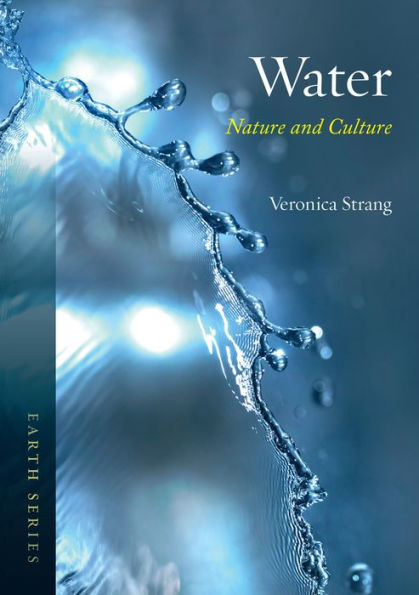
Water: Nature and Culture in Chattanooga, TN
Current price: $29.00
Barnes and Noble
Water: Nature and Culture in Chattanooga, TN
Current price: $29.00
Loading Inventory...
Size: Paperback
As any scientist will tell you, there is no substance more vital than water. Our history is necessarily a history
with
water, whether we have irrigated our fields with it, cooled our machines, washed ourselves, drank it down deeply, or even worshipped it. In
Water
, Veronic Strang ladles through the rich history of our interaction with water, offering an accessible examination of the crucial properties that make water so unique alongside the complex story of our evolving relationship with it.
As Strang shows, our attitudes about water and the things that we rely on it for have changed dramatically over time. Once a mystical source of regenerative powers, it has since played various roles as our attitudes about hygiene, health, and disease have developed; as it has become useful to our industry; as agriculture has become ever more complex; and, of course, as we have learned to make money from it. Today water—who controls it, and how—is one of the largest issues facing our society, influencing everything from the welfare of the billions of people living on earth to the vitality of its natural habitats. Balancing history, science, and environmental and cultural studies, Strang offers an important, multifaceted view of a critical resource.
with
water, whether we have irrigated our fields with it, cooled our machines, washed ourselves, drank it down deeply, or even worshipped it. In
Water
, Veronic Strang ladles through the rich history of our interaction with water, offering an accessible examination of the crucial properties that make water so unique alongside the complex story of our evolving relationship with it.
As Strang shows, our attitudes about water and the things that we rely on it for have changed dramatically over time. Once a mystical source of regenerative powers, it has since played various roles as our attitudes about hygiene, health, and disease have developed; as it has become useful to our industry; as agriculture has become ever more complex; and, of course, as we have learned to make money from it. Today water—who controls it, and how—is one of the largest issues facing our society, influencing everything from the welfare of the billions of people living on earth to the vitality of its natural habitats. Balancing history, science, and environmental and cultural studies, Strang offers an important, multifaceted view of a critical resource.
As any scientist will tell you, there is no substance more vital than water. Our history is necessarily a history
with
water, whether we have irrigated our fields with it, cooled our machines, washed ourselves, drank it down deeply, or even worshipped it. In
Water
, Veronic Strang ladles through the rich history of our interaction with water, offering an accessible examination of the crucial properties that make water so unique alongside the complex story of our evolving relationship with it.
As Strang shows, our attitudes about water and the things that we rely on it for have changed dramatically over time. Once a mystical source of regenerative powers, it has since played various roles as our attitudes about hygiene, health, and disease have developed; as it has become useful to our industry; as agriculture has become ever more complex; and, of course, as we have learned to make money from it. Today water—who controls it, and how—is one of the largest issues facing our society, influencing everything from the welfare of the billions of people living on earth to the vitality of its natural habitats. Balancing history, science, and environmental and cultural studies, Strang offers an important, multifaceted view of a critical resource.
with
water, whether we have irrigated our fields with it, cooled our machines, washed ourselves, drank it down deeply, or even worshipped it. In
Water
, Veronic Strang ladles through the rich history of our interaction with water, offering an accessible examination of the crucial properties that make water so unique alongside the complex story of our evolving relationship with it.
As Strang shows, our attitudes about water and the things that we rely on it for have changed dramatically over time. Once a mystical source of regenerative powers, it has since played various roles as our attitudes about hygiene, health, and disease have developed; as it has become useful to our industry; as agriculture has become ever more complex; and, of course, as we have learned to make money from it. Today water—who controls it, and how—is one of the largest issues facing our society, influencing everything from the welfare of the billions of people living on earth to the vitality of its natural habitats. Balancing history, science, and environmental and cultural studies, Strang offers an important, multifaceted view of a critical resource.
You May Also Like








More About Barnes and Noble at Hamilton Place
Barnes & Noble is the world’s largest retail bookseller and a leading retailer of content, digital media and educational products. Our Nook Digital business offers a lineup of NOOK® tablets and e-Readers and an expansive collection of digital reading content through the NOOK Store®. Barnes & Noble’s mission is to operate the best omni-channel specialty retail business in America, helping both our customers and booksellers reach their aspirations, while being a credit to the communities we serve.
2100 Hamilton Pl Blvd, Chattanooga, TN 37421, United States
Find Barnes and Noble at Hamilton Place in Chattanooga, TN
Visit Barnes and Noble at Hamilton Place in Chattanooga, TN
