
Home
Wasting Time on the Internet
Barnes and Noble
Loading Inventory...
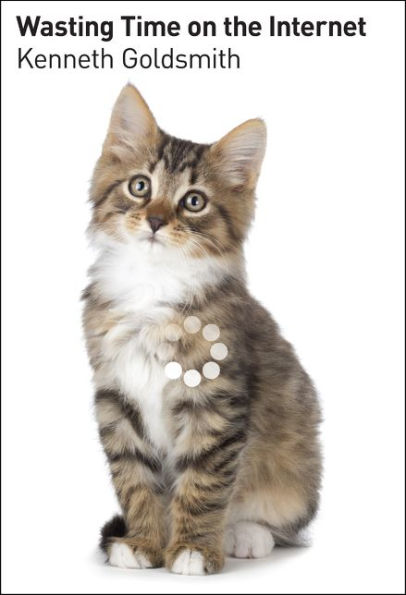
Wasting Time on the Internet in Chattanooga, TN
Current price: $17.99
Barnes and Noble
Wasting Time on the Internet in Chattanooga, TN
Current price: $17.99
Loading Inventory...
Size: Paperback
Using clear, readable prose, conceptual artist and poet Kenneth Goldsmith’s manifesto shows how our time on the internet is not really wasted but is quite productive and creative as he puts the experience in its proper theoretical and philosophical context.
Kenneth Goldsmith wants you to rethink the internet. Many people feel guilty after spending hours watching cat videos or clicking link after link after link. But Goldsmith sees that “wasted” time differently. Unlike old media, the internet demands active engagement—and it’s actually making us more social, more creative, even more productive.
When Goldsmith, a renowned conceptual artist and poet, introduced a class at the University of Pennsylvania called “Wasting Time on the Internet”, he nearly
broke
the internet. The
New Yorker
, the
Atlantic
Washington Post
, Slate, Vice,
Time
, CNN, the
Telegraph
, and many more, ran articles expressing their shock, dismay, and, ultimately, their curiosity. Goldsmith’s ideas struck a nerve, because they are brilliantly subversive—and endlessly shareable.
In
Wasting Time on the Internet
, Goldsmith expands upon his provocative insights, contending that our digital lives are remaking human experience. When we’re “wasting time,” we’re actually creating a culture of collaboration. We’re reading and writing more—and quite differently. And we’re turning concepts of authority and authenticity upside-down. The internet puts us in a state between deep focus and subconscious flow, a state that Goldsmith argues is ideal for creativity. Where that creativity takes us will be one of the stories of the twenty-first century.
Wide-ranging, counterintuitive, engrossing, unpredictable—like the internet itself—
is the manifesto you didn’t know you needed.
Kenneth Goldsmith wants you to rethink the internet. Many people feel guilty after spending hours watching cat videos or clicking link after link after link. But Goldsmith sees that “wasted” time differently. Unlike old media, the internet demands active engagement—and it’s actually making us more social, more creative, even more productive.
When Goldsmith, a renowned conceptual artist and poet, introduced a class at the University of Pennsylvania called “Wasting Time on the Internet”, he nearly
broke
the internet. The
New Yorker
, the
Atlantic
Washington Post
, Slate, Vice,
Time
, CNN, the
Telegraph
, and many more, ran articles expressing their shock, dismay, and, ultimately, their curiosity. Goldsmith’s ideas struck a nerve, because they are brilliantly subversive—and endlessly shareable.
In
Wasting Time on the Internet
, Goldsmith expands upon his provocative insights, contending that our digital lives are remaking human experience. When we’re “wasting time,” we’re actually creating a culture of collaboration. We’re reading and writing more—and quite differently. And we’re turning concepts of authority and authenticity upside-down. The internet puts us in a state between deep focus and subconscious flow, a state that Goldsmith argues is ideal for creativity. Where that creativity takes us will be one of the stories of the twenty-first century.
Wide-ranging, counterintuitive, engrossing, unpredictable—like the internet itself—
is the manifesto you didn’t know you needed.
Using clear, readable prose, conceptual artist and poet Kenneth Goldsmith’s manifesto shows how our time on the internet is not really wasted but is quite productive and creative as he puts the experience in its proper theoretical and philosophical context.
Kenneth Goldsmith wants you to rethink the internet. Many people feel guilty after spending hours watching cat videos or clicking link after link after link. But Goldsmith sees that “wasted” time differently. Unlike old media, the internet demands active engagement—and it’s actually making us more social, more creative, even more productive.
When Goldsmith, a renowned conceptual artist and poet, introduced a class at the University of Pennsylvania called “Wasting Time on the Internet”, he nearly
broke
the internet. The
New Yorker
, the
Atlantic
Washington Post
, Slate, Vice,
Time
, CNN, the
Telegraph
, and many more, ran articles expressing their shock, dismay, and, ultimately, their curiosity. Goldsmith’s ideas struck a nerve, because they are brilliantly subversive—and endlessly shareable.
In
Wasting Time on the Internet
, Goldsmith expands upon his provocative insights, contending that our digital lives are remaking human experience. When we’re “wasting time,” we’re actually creating a culture of collaboration. We’re reading and writing more—and quite differently. And we’re turning concepts of authority and authenticity upside-down. The internet puts us in a state between deep focus and subconscious flow, a state that Goldsmith argues is ideal for creativity. Where that creativity takes us will be one of the stories of the twenty-first century.
Wide-ranging, counterintuitive, engrossing, unpredictable—like the internet itself—
is the manifesto you didn’t know you needed.
Kenneth Goldsmith wants you to rethink the internet. Many people feel guilty after spending hours watching cat videos or clicking link after link after link. But Goldsmith sees that “wasted” time differently. Unlike old media, the internet demands active engagement—and it’s actually making us more social, more creative, even more productive.
When Goldsmith, a renowned conceptual artist and poet, introduced a class at the University of Pennsylvania called “Wasting Time on the Internet”, he nearly
broke
the internet. The
New Yorker
, the
Atlantic
Washington Post
, Slate, Vice,
Time
, CNN, the
Telegraph
, and many more, ran articles expressing their shock, dismay, and, ultimately, their curiosity. Goldsmith’s ideas struck a nerve, because they are brilliantly subversive—and endlessly shareable.
In
Wasting Time on the Internet
, Goldsmith expands upon his provocative insights, contending that our digital lives are remaking human experience. When we’re “wasting time,” we’re actually creating a culture of collaboration. We’re reading and writing more—and quite differently. And we’re turning concepts of authority and authenticity upside-down. The internet puts us in a state between deep focus and subconscious flow, a state that Goldsmith argues is ideal for creativity. Where that creativity takes us will be one of the stories of the twenty-first century.
Wide-ranging, counterintuitive, engrossing, unpredictable—like the internet itself—
is the manifesto you didn’t know you needed.
You May Also Like
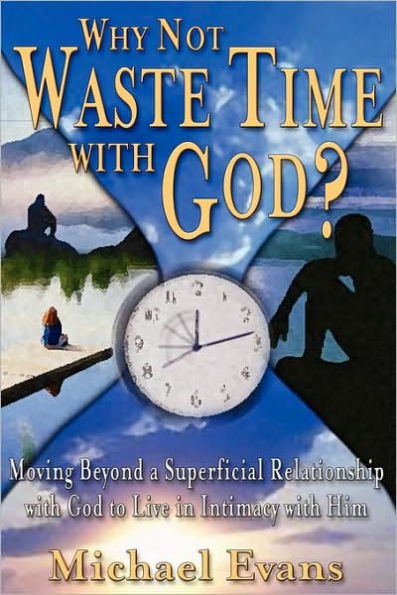

![Wasted Days and Wasted Nights [Good Time]](https://prodimage.images-bn.com/pimages/0741869397602_p0_v1_s600x595.jpg)








More About Barnes and Noble at Hamilton Place
Barnes & Noble is the world’s largest retail bookseller and a leading retailer of content, digital media and educational products. Our Nook Digital business offers a lineup of NOOK® tablets and e-Readers and an expansive collection of digital reading content through the NOOK Store®. Barnes & Noble’s mission is to operate the best omni-channel specialty retail business in America, helping both our customers and booksellers reach their aspirations, while being a credit to the communities we serve.
2100 Hamilton Pl Blvd, Chattanooga, TN 37421, United States
Find Barnes and Noble at Hamilton Place in Chattanooga, TN
Visit Barnes and Noble at Hamilton Place in Chattanooga, TN
