
Home
Walaya the Formative Period of Shi'ism and Sufism: A Comparative Analysis
Barnes and Noble
Loading Inventory...
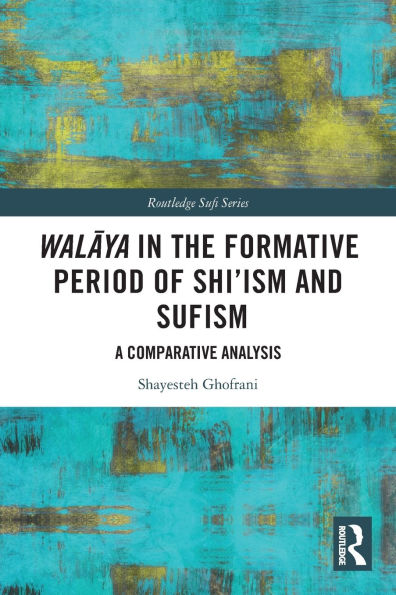
Walaya the Formative Period of Shi'ism and Sufism: A Comparative Analysis in Chattanooga, TN
Current price: $170.00
Barnes and Noble
Walaya the Formative Period of Shi'ism and Sufism: A Comparative Analysis in Chattanooga, TN
Current price: $170.00
Loading Inventory...
Size: Hardcover
Focused on Shi’ism and Sufism in the formative period of Islam, this book examines the development of the concept of
walāya,
a complex term that has, over time, acquired a wide range of relationships with other theological ideas, chiefly in relation to the notion of authority.
The book offers a textual and comparative analysis of
walāya
based on primary sources in the ninth and tenth centuries, from both Shi’i and Sufi circles. The starting point is one of the oldest surviving Shi’i sources,
Kitāb Sulaym
. Alongside this, the author analyses
al-Īḍāḥ
of Faḍl Shādhān al-Nishābūrī,
Kitāb al-Maḥāsin
of al-Barqī and
Kitāb al-Kāfī
of al-Kulaynī. Three major texts in Sufism are considered:
Kitāb al-Ṣidq
by Abū Saʿīd al-Kharrāz,
Tafsīr
al
-
Qur
ʾ
an
ʿAẓīm
by Sahl al-Tustarī, and Al-Tirmidhī’s
Kitāb Sīrat al-Awliyāʾ
. Together, these sources highlight the doctrinal aspects of
, exploring the identity, function, appointment, and description of those considered '
walī'
. The author ultimately argues that
is a cluster of rich, deep-rooted responses to the question of authority, developed within both Shi’ism and Sufism after the death of the Prophet.
The book is much-needed reading for students and scholars interested in Shi’i and Sufi studies and Islamic philosophy.
walāya,
a complex term that has, over time, acquired a wide range of relationships with other theological ideas, chiefly in relation to the notion of authority.
The book offers a textual and comparative analysis of
walāya
based on primary sources in the ninth and tenth centuries, from both Shi’i and Sufi circles. The starting point is one of the oldest surviving Shi’i sources,
Kitāb Sulaym
. Alongside this, the author analyses
al-Īḍāḥ
of Faḍl Shādhān al-Nishābūrī,
Kitāb al-Maḥāsin
of al-Barqī and
Kitāb al-Kāfī
of al-Kulaynī. Three major texts in Sufism are considered:
Kitāb al-Ṣidq
by Abū Saʿīd al-Kharrāz,
Tafsīr
al
-
Qur
ʾ
an
ʿAẓīm
by Sahl al-Tustarī, and Al-Tirmidhī’s
Kitāb Sīrat al-Awliyāʾ
. Together, these sources highlight the doctrinal aspects of
, exploring the identity, function, appointment, and description of those considered '
walī'
. The author ultimately argues that
is a cluster of rich, deep-rooted responses to the question of authority, developed within both Shi’ism and Sufism after the death of the Prophet.
The book is much-needed reading for students and scholars interested in Shi’i and Sufi studies and Islamic philosophy.
Focused on Shi’ism and Sufism in the formative period of Islam, this book examines the development of the concept of
walāya,
a complex term that has, over time, acquired a wide range of relationships with other theological ideas, chiefly in relation to the notion of authority.
The book offers a textual and comparative analysis of
walāya
based on primary sources in the ninth and tenth centuries, from both Shi’i and Sufi circles. The starting point is one of the oldest surviving Shi’i sources,
Kitāb Sulaym
. Alongside this, the author analyses
al-Īḍāḥ
of Faḍl Shādhān al-Nishābūrī,
Kitāb al-Maḥāsin
of al-Barqī and
Kitāb al-Kāfī
of al-Kulaynī. Three major texts in Sufism are considered:
Kitāb al-Ṣidq
by Abū Saʿīd al-Kharrāz,
Tafsīr
al
-
Qur
ʾ
an
ʿAẓīm
by Sahl al-Tustarī, and Al-Tirmidhī’s
Kitāb Sīrat al-Awliyāʾ
. Together, these sources highlight the doctrinal aspects of
, exploring the identity, function, appointment, and description of those considered '
walī'
. The author ultimately argues that
is a cluster of rich, deep-rooted responses to the question of authority, developed within both Shi’ism and Sufism after the death of the Prophet.
The book is much-needed reading for students and scholars interested in Shi’i and Sufi studies and Islamic philosophy.
walāya,
a complex term that has, over time, acquired a wide range of relationships with other theological ideas, chiefly in relation to the notion of authority.
The book offers a textual and comparative analysis of
walāya
based on primary sources in the ninth and tenth centuries, from both Shi’i and Sufi circles. The starting point is one of the oldest surviving Shi’i sources,
Kitāb Sulaym
. Alongside this, the author analyses
al-Īḍāḥ
of Faḍl Shādhān al-Nishābūrī,
Kitāb al-Maḥāsin
of al-Barqī and
Kitāb al-Kāfī
of al-Kulaynī. Three major texts in Sufism are considered:
Kitāb al-Ṣidq
by Abū Saʿīd al-Kharrāz,
Tafsīr
al
-
Qur
ʾ
an
ʿAẓīm
by Sahl al-Tustarī, and Al-Tirmidhī’s
Kitāb Sīrat al-Awliyāʾ
. Together, these sources highlight the doctrinal aspects of
, exploring the identity, function, appointment, and description of those considered '
walī'
. The author ultimately argues that
is a cluster of rich, deep-rooted responses to the question of authority, developed within both Shi’ism and Sufism after the death of the Prophet.
The book is much-needed reading for students and scholars interested in Shi’i and Sufi studies and Islamic philosophy.
You May Also Like










More About Barnes and Noble at Hamilton Place
Barnes & Noble is the world’s largest retail bookseller and a leading retailer of content, digital media and educational products. Our Nook Digital business offers a lineup of NOOK® tablets and e-Readers and an expansive collection of digital reading content through the NOOK Store®. Barnes & Noble’s mission is to operate the best omni-channel specialty retail business in America, helping both our customers and booksellers reach their aspirations, while being a credit to the communities we serve.
2100 Hamilton Pl Blvd, Chattanooga, TN 37421, United States
Find Barnes and Noble at Hamilton Place in Chattanooga, TN
Visit Barnes and Noble at Hamilton Place in Chattanooga, TN
