
Home
Victims' State: War and Welfare in Austria, 1868-1925
Barnes and Noble
Loading Inventory...
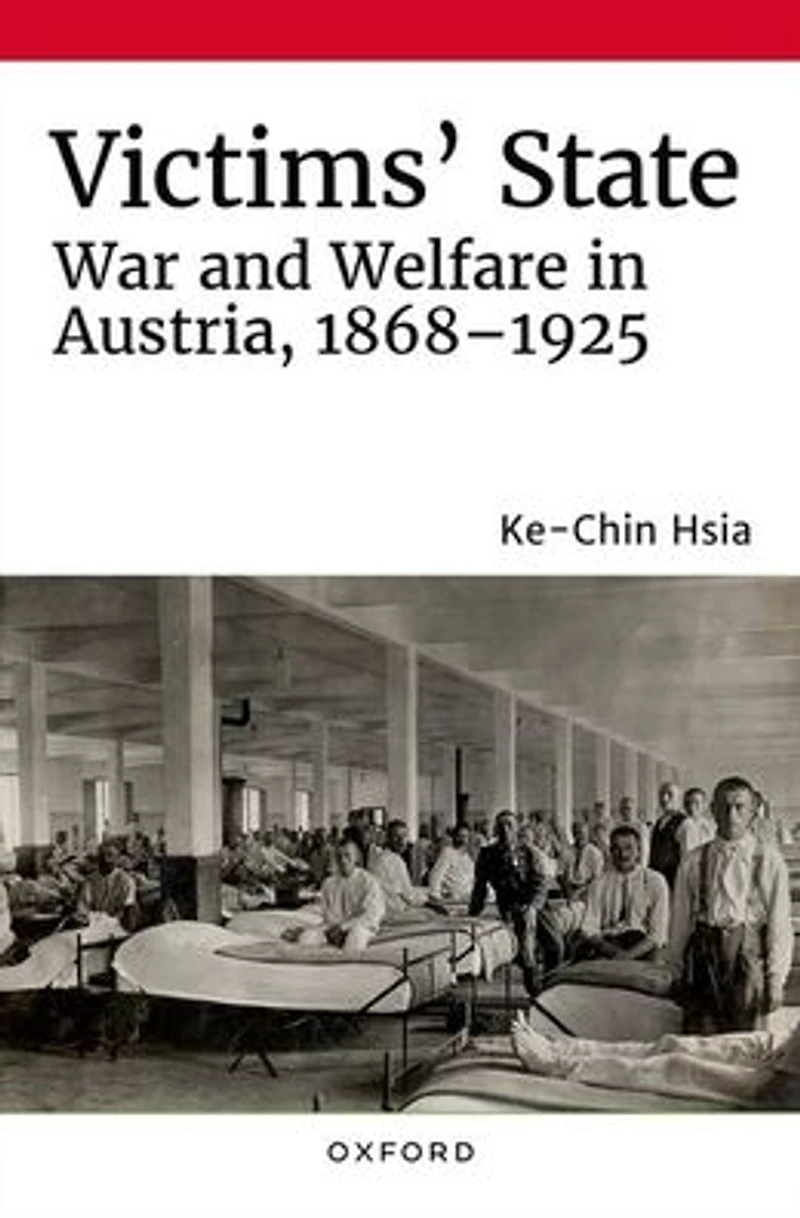
Victims' State: War and Welfare in Austria, 1868-1925 in Chattanooga, TN
By Barnes & Noble
Current price: $83.00
Barnes and Noble
Victims' State: War and Welfare in Austria, 1868-1925 in Chattanooga, TN
By Barnes & Noble
Current price: $83.00
Loading Inventory...
Size: Hardcover
The belligerent country that literally started the First World War, the Habsburg Empire suffered grievously during the global conflict. At the end of the war, it was estimated that 1.2 million soldiers, out of 8 million men and 100,000 women mobilized from an empire of 52 million, perished in service. Among those who lived, the wounded, the disabled, and their dependents constituted at least several million people whose survival was endangered both during and after the war. How did the Habsburg Empire confront the scale of the casualties brought about by the First World War? What care and support were offered to disabled soldiers and dead soldiers' surviving dependents? Victims' State offers the first integrated account of how the Austrian half of the empire and the successor Austrian Republic responded to the needs of citizen-soldiers and their families from the nineteenth century to the interwar years. Ke-Chin Hsia traces the policies, ideas, and administrative practices developed over the decades by a range of government, semi-public, and societal actors to deal with the massive losses of lives, health, and livelihoods. The provision of care and welfare to disabled veterans, war widows, and war orphans shows that compulsory military service and war mobilization profoundly changed the relations between citizens and the Austrian state. The expansion of the Austrian welfare state was consciously undertaken by the Habsburg authorities as well as the successor Austrian Republic to generate support and create legitimacy in times of crisis. In the process, assertive war victims helped create a participatory welfare system and contributed to the democratic transition of 1918-1920. With its incisive analysis, Victims' State underscores the centrality of totalizing war to the making of modern citizenship and the fully-fledged European welfare state.
The belligerent country that literally started the First World War, the Habsburg Empire suffered grievously during the global conflict. At the end of the war, it was estimated that 1.2 million soldiers, out of 8 million men and 100,000 women mobilized from an empire of 52 million, perished in service. Among those who lived, the wounded, the disabled, and their dependents constituted at least several million people whose survival was endangered both during and after the war. How did the Habsburg Empire confront the scale of the casualties brought about by the First World War? What care and support were offered to disabled soldiers and dead soldiers' surviving dependents? Victims' State offers the first integrated account of how the Austrian half of the empire and the successor Austrian Republic responded to the needs of citizen-soldiers and their families from the nineteenth century to the interwar years. Ke-Chin Hsia traces the policies, ideas, and administrative practices developed over the decades by a range of government, semi-public, and societal actors to deal with the massive losses of lives, health, and livelihoods. The provision of care and welfare to disabled veterans, war widows, and war orphans shows that compulsory military service and war mobilization profoundly changed the relations between citizens and the Austrian state. The expansion of the Austrian welfare state was consciously undertaken by the Habsburg authorities as well as the successor Austrian Republic to generate support and create legitimacy in times of crisis. In the process, assertive war victims helped create a participatory welfare system and contributed to the democratic transition of 1918-1920. With its incisive analysis, Victims' State underscores the centrality of totalizing war to the making of modern citizenship and the fully-fledged European welfare state.
You May Also Like








More About Barnes and Noble at Hamilton Place
Barnes & Noble is the world’s largest retail bookseller and a leading retailer of content, digital media and educational products. Our Nook Digital business offers a lineup of NOOK® tablets and e-Readers and an expansive collection of digital reading content through the NOOK Store®. Barnes & Noble’s mission is to operate the best omni-channel specialty retail business in America, helping both our customers and booksellers reach their aspirations, while being a credit to the communities we serve.
2100 Hamilton Pl Blvd, Chattanooga, TN 37421, United States
Find Barnes and Noble at Hamilton Place in Chattanooga, TN
Visit Barnes and Noble at Hamilton Place in Chattanooga, TN
