
Home
Urbanism for a Difficult Future: Practical Responses to the Climate Crisis
Barnes and Noble
Loading Inventory...
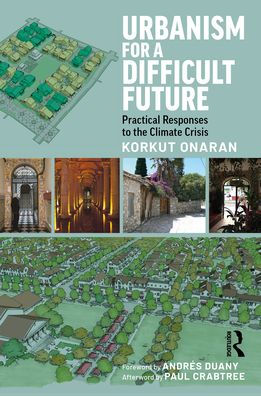
Urbanism for a Difficult Future: Practical Responses to the Climate Crisis in Chattanooga, TN
Current price: $190.00
Barnes and Noble
Urbanism for a Difficult Future: Practical Responses to the Climate Crisis in Chattanooga, TN
Current price: $190.00
Loading Inventory...
Size: Hardcover
Urbanism for a Difficult Future: Practical Responses to the Climate Crisis
is a much-needed guide to launching the next generation of land use planning and urbanism that will enable us to adapt to and survive the consequences of climate change.
The book offers strong, straightforward measures for creating a landscape of resilience via pockets of self-sufficiencies. It demonstrates how to secure systems that sustain life (energy, water, food, waste, and production of essential goods) as well as political and social protocols enabling agile decision-making in managing these systems effectively at local levels. It also provides the design principles for creating a built environment that will enable the kind of localization we need for adaptation. The book explores how it is possible to create a life that does not depend on large-scale regional sustenance systems which are likely to be disrupted or fail.
This book uncovers how to enable people to be creative, productive, and supportive at local levels, so that we can achieve strong and diverse local economies that can sustain life. It will appeal to students, planners, and policy makers working in environmental studies, environmental engineering, urban and regional planning, architecture, landscape architecture, and urbanism.
is a much-needed guide to launching the next generation of land use planning and urbanism that will enable us to adapt to and survive the consequences of climate change.
The book offers strong, straightforward measures for creating a landscape of resilience via pockets of self-sufficiencies. It demonstrates how to secure systems that sustain life (energy, water, food, waste, and production of essential goods) as well as political and social protocols enabling agile decision-making in managing these systems effectively at local levels. It also provides the design principles for creating a built environment that will enable the kind of localization we need for adaptation. The book explores how it is possible to create a life that does not depend on large-scale regional sustenance systems which are likely to be disrupted or fail.
This book uncovers how to enable people to be creative, productive, and supportive at local levels, so that we can achieve strong and diverse local economies that can sustain life. It will appeal to students, planners, and policy makers working in environmental studies, environmental engineering, urban and regional planning, architecture, landscape architecture, and urbanism.
Urbanism for a Difficult Future: Practical Responses to the Climate Crisis
is a much-needed guide to launching the next generation of land use planning and urbanism that will enable us to adapt to and survive the consequences of climate change.
The book offers strong, straightforward measures for creating a landscape of resilience via pockets of self-sufficiencies. It demonstrates how to secure systems that sustain life (energy, water, food, waste, and production of essential goods) as well as political and social protocols enabling agile decision-making in managing these systems effectively at local levels. It also provides the design principles for creating a built environment that will enable the kind of localization we need for adaptation. The book explores how it is possible to create a life that does not depend on large-scale regional sustenance systems which are likely to be disrupted or fail.
This book uncovers how to enable people to be creative, productive, and supportive at local levels, so that we can achieve strong and diverse local economies that can sustain life. It will appeal to students, planners, and policy makers working in environmental studies, environmental engineering, urban and regional planning, architecture, landscape architecture, and urbanism.
is a much-needed guide to launching the next generation of land use planning and urbanism that will enable us to adapt to and survive the consequences of climate change.
The book offers strong, straightforward measures for creating a landscape of resilience via pockets of self-sufficiencies. It demonstrates how to secure systems that sustain life (energy, water, food, waste, and production of essential goods) as well as political and social protocols enabling agile decision-making in managing these systems effectively at local levels. It also provides the design principles for creating a built environment that will enable the kind of localization we need for adaptation. The book explores how it is possible to create a life that does not depend on large-scale regional sustenance systems which are likely to be disrupted or fail.
This book uncovers how to enable people to be creative, productive, and supportive at local levels, so that we can achieve strong and diverse local economies that can sustain life. It will appeal to students, planners, and policy makers working in environmental studies, environmental engineering, urban and regional planning, architecture, landscape architecture, and urbanism.
You May Also Like













More About Barnes and Noble at Hamilton Place
Barnes & Noble is the world’s largest retail bookseller and a leading retailer of content, digital media and educational products. Our Nook Digital business offers a lineup of NOOK® tablets and e-Readers and an expansive collection of digital reading content through the NOOK Store®. Barnes & Noble’s mission is to operate the best omni-channel specialty retail business in America, helping both our customers and booksellers reach their aspirations, while being a credit to the communities we serve.
2100 Hamilton Pl Blvd, Chattanooga, TN 37421, United States
Find Barnes and Noble at Hamilton Place in Chattanooga, TN
Visit Barnes and Noble at Hamilton Place in Chattanooga, TN
