
Home
United States Sentencing Commission Guidelines Manual 2025: Effective November 1, 2025
Barnes and Noble
Loading Inventory...
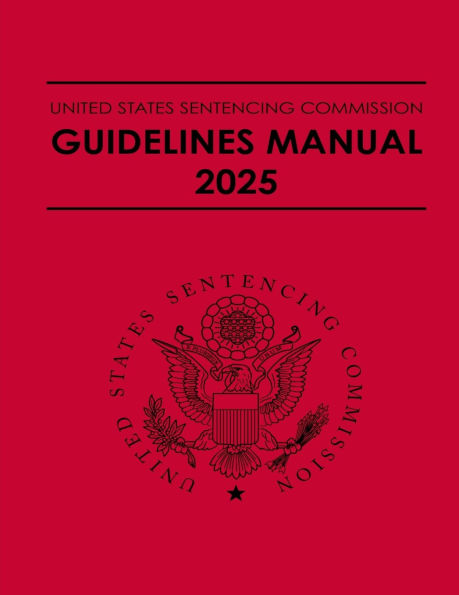
United States Sentencing Commission Guidelines Manual 2025: Effective November 1, 2025 in Chattanooga, TN
Current price: $41.14
Barnes and Noble
United States Sentencing Commission Guidelines Manual 2025: Effective November 1, 2025 in Chattanooga, TN
Current price: $41.14
Loading Inventory...
Size: OS
United States Sentencing Commission Guidelines Manual 2025
The 2025 Guidelines Manual, issued by the United States Sentencing Commission, provides a comprehensive framework for sentencing in federal criminal cases. It reflects statutory directives, recent amendments, and judicial interpretation post-Booker. This edition emphasizes uniformity, transparency, and proportional punishment.
Table of Contents
Chapter One - Introduction, Authority, and General Principles
Chapter Two - Offense Conduct
Chapter Three - Adjustments
Chapter Four - Criminal History and Livelihood
Chapter Five - Sentencing Range and Options
Chapter Six - Sentencing Procedures and Plea Agreements
Chapter Seven - Violations of Probation and Supervised Release
Chapter Eight - Sentencing of Organizations
Appendices - A, B, and C (Volumes I-IV)
Chapter Summaries
Chapter One:
Outlines the Commission's authority and core principles, detailing the structure of sentencing including a two-step process: calculating the guideline range and considering §3553(a) factors.
Chapter Two:
Categorizes federal crimes into parts A through Z, including homicide, fraud, drug offenses, immigration violations, terrorism, public corruption, environmental crimes, and more. Each offense type includes detailed base levels and specific characteristics that impact sentencing severity.
Chapter Three:
Provides adjustments based on victim impact, the offender's role, obstruction of justice, acceptance of responsibility, and early disposition programs. These influence the final sentencing level.
Chapter Four:
Explores criminal history classifications, career offender status, and introduces adjustments for first-time (zero-point) offenders, allowing leniency in certain qualifying cases.
Chapter Five:
Details the sentencing table, probation, imprisonment, supervised release, restitution, fines, and sentence implementation. It introduces policies for sentence modifications and departures.
Chapter Six:
Focuses on procedures during sentencing, including plea agreements and the rights of crime victims, reinforcing procedural fairness and transparency.
Chapter Seven:
Governs violations of probation and supervised release, providing structure for revocation and resentence based on the severity of non-compliance.
Chapter Eight:
Applies to organizations, setting criteria for fines, probation, and remediation based on harm, culpability, and effective compliance programs. Encourages corporate ethics and responsibility.
Appendix A:
A statutory index linking offenses to applicable guidelines.
Appendix B:
Historical statutes, removed provisions, and prior guidelines development context.
Appendix C (Vols. I-IV):
Contains all amendments from 1997 to 2025, documenting the evolution of federal sentencing policy.
This manual is a cornerstone of federal sentencing policy, designed to balance justice, deterrence, and rehabilitation within statutory limits.
The 2025 Guidelines Manual, issued by the United States Sentencing Commission, provides a comprehensive framework for sentencing in federal criminal cases. It reflects statutory directives, recent amendments, and judicial interpretation post-Booker. This edition emphasizes uniformity, transparency, and proportional punishment.
Table of Contents
Chapter One - Introduction, Authority, and General Principles
Chapter Two - Offense Conduct
Chapter Three - Adjustments
Chapter Four - Criminal History and Livelihood
Chapter Five - Sentencing Range and Options
Chapter Six - Sentencing Procedures and Plea Agreements
Chapter Seven - Violations of Probation and Supervised Release
Chapter Eight - Sentencing of Organizations
Appendices - A, B, and C (Volumes I-IV)
Chapter Summaries
Chapter One:
Outlines the Commission's authority and core principles, detailing the structure of sentencing including a two-step process: calculating the guideline range and considering §3553(a) factors.
Chapter Two:
Categorizes federal crimes into parts A through Z, including homicide, fraud, drug offenses, immigration violations, terrorism, public corruption, environmental crimes, and more. Each offense type includes detailed base levels and specific characteristics that impact sentencing severity.
Chapter Three:
Provides adjustments based on victim impact, the offender's role, obstruction of justice, acceptance of responsibility, and early disposition programs. These influence the final sentencing level.
Chapter Four:
Explores criminal history classifications, career offender status, and introduces adjustments for first-time (zero-point) offenders, allowing leniency in certain qualifying cases.
Chapter Five:
Details the sentencing table, probation, imprisonment, supervised release, restitution, fines, and sentence implementation. It introduces policies for sentence modifications and departures.
Chapter Six:
Focuses on procedures during sentencing, including plea agreements and the rights of crime victims, reinforcing procedural fairness and transparency.
Chapter Seven:
Governs violations of probation and supervised release, providing structure for revocation and resentence based on the severity of non-compliance.
Chapter Eight:
Applies to organizations, setting criteria for fines, probation, and remediation based on harm, culpability, and effective compliance programs. Encourages corporate ethics and responsibility.
Appendix A:
A statutory index linking offenses to applicable guidelines.
Appendix B:
Historical statutes, removed provisions, and prior guidelines development context.
Appendix C (Vols. I-IV):
Contains all amendments from 1997 to 2025, documenting the evolution of federal sentencing policy.
This manual is a cornerstone of federal sentencing policy, designed to balance justice, deterrence, and rehabilitation within statutory limits.
United States Sentencing Commission Guidelines Manual 2025
The 2025 Guidelines Manual, issued by the United States Sentencing Commission, provides a comprehensive framework for sentencing in federal criminal cases. It reflects statutory directives, recent amendments, and judicial interpretation post-Booker. This edition emphasizes uniformity, transparency, and proportional punishment.
Table of Contents
Chapter One - Introduction, Authority, and General Principles
Chapter Two - Offense Conduct
Chapter Three - Adjustments
Chapter Four - Criminal History and Livelihood
Chapter Five - Sentencing Range and Options
Chapter Six - Sentencing Procedures and Plea Agreements
Chapter Seven - Violations of Probation and Supervised Release
Chapter Eight - Sentencing of Organizations
Appendices - A, B, and C (Volumes I-IV)
Chapter Summaries
Chapter One:
Outlines the Commission's authority and core principles, detailing the structure of sentencing including a two-step process: calculating the guideline range and considering §3553(a) factors.
Chapter Two:
Categorizes federal crimes into parts A through Z, including homicide, fraud, drug offenses, immigration violations, terrorism, public corruption, environmental crimes, and more. Each offense type includes detailed base levels and specific characteristics that impact sentencing severity.
Chapter Three:
Provides adjustments based on victim impact, the offender's role, obstruction of justice, acceptance of responsibility, and early disposition programs. These influence the final sentencing level.
Chapter Four:
Explores criminal history classifications, career offender status, and introduces adjustments for first-time (zero-point) offenders, allowing leniency in certain qualifying cases.
Chapter Five:
Details the sentencing table, probation, imprisonment, supervised release, restitution, fines, and sentence implementation. It introduces policies for sentence modifications and departures.
Chapter Six:
Focuses on procedures during sentencing, including plea agreements and the rights of crime victims, reinforcing procedural fairness and transparency.
Chapter Seven:
Governs violations of probation and supervised release, providing structure for revocation and resentence based on the severity of non-compliance.
Chapter Eight:
Applies to organizations, setting criteria for fines, probation, and remediation based on harm, culpability, and effective compliance programs. Encourages corporate ethics and responsibility.
Appendix A:
A statutory index linking offenses to applicable guidelines.
Appendix B:
Historical statutes, removed provisions, and prior guidelines development context.
Appendix C (Vols. I-IV):
Contains all amendments from 1997 to 2025, documenting the evolution of federal sentencing policy.
This manual is a cornerstone of federal sentencing policy, designed to balance justice, deterrence, and rehabilitation within statutory limits.
The 2025 Guidelines Manual, issued by the United States Sentencing Commission, provides a comprehensive framework for sentencing in federal criminal cases. It reflects statutory directives, recent amendments, and judicial interpretation post-Booker. This edition emphasizes uniformity, transparency, and proportional punishment.
Table of Contents
Chapter One - Introduction, Authority, and General Principles
Chapter Two - Offense Conduct
Chapter Three - Adjustments
Chapter Four - Criminal History and Livelihood
Chapter Five - Sentencing Range and Options
Chapter Six - Sentencing Procedures and Plea Agreements
Chapter Seven - Violations of Probation and Supervised Release
Chapter Eight - Sentencing of Organizations
Appendices - A, B, and C (Volumes I-IV)
Chapter Summaries
Chapter One:
Outlines the Commission's authority and core principles, detailing the structure of sentencing including a two-step process: calculating the guideline range and considering §3553(a) factors.
Chapter Two:
Categorizes federal crimes into parts A through Z, including homicide, fraud, drug offenses, immigration violations, terrorism, public corruption, environmental crimes, and more. Each offense type includes detailed base levels and specific characteristics that impact sentencing severity.
Chapter Three:
Provides adjustments based on victim impact, the offender's role, obstruction of justice, acceptance of responsibility, and early disposition programs. These influence the final sentencing level.
Chapter Four:
Explores criminal history classifications, career offender status, and introduces adjustments for first-time (zero-point) offenders, allowing leniency in certain qualifying cases.
Chapter Five:
Details the sentencing table, probation, imprisonment, supervised release, restitution, fines, and sentence implementation. It introduces policies for sentence modifications and departures.
Chapter Six:
Focuses on procedures during sentencing, including plea agreements and the rights of crime victims, reinforcing procedural fairness and transparency.
Chapter Seven:
Governs violations of probation and supervised release, providing structure for revocation and resentence based on the severity of non-compliance.
Chapter Eight:
Applies to organizations, setting criteria for fines, probation, and remediation based on harm, culpability, and effective compliance programs. Encourages corporate ethics and responsibility.
Appendix A:
A statutory index linking offenses to applicable guidelines.
Appendix B:
Historical statutes, removed provisions, and prior guidelines development context.
Appendix C (Vols. I-IV):
Contains all amendments from 1997 to 2025, documenting the evolution of federal sentencing policy.
This manual is a cornerstone of federal sentencing policy, designed to balance justice, deterrence, and rehabilitation within statutory limits.
You May Also Like










More About Barnes and Noble at Hamilton Place
Barnes & Noble is the world’s largest retail bookseller and a leading retailer of content, digital media and educational products. Our Nook Digital business offers a lineup of NOOK® tablets and e-Readers and an expansive collection of digital reading content through the NOOK Store®. Barnes & Noble’s mission is to operate the best omni-channel specialty retail business in America, helping both our customers and booksellers reach their aspirations, while being a credit to the communities we serve.
2100 Hamilton Pl Blvd, Chattanooga, TN 37421, United States
Find Barnes and Noble at Hamilton Place in Chattanooga, TN
Visit Barnes and Noble at Hamilton Place in Chattanooga, TN
