
Home
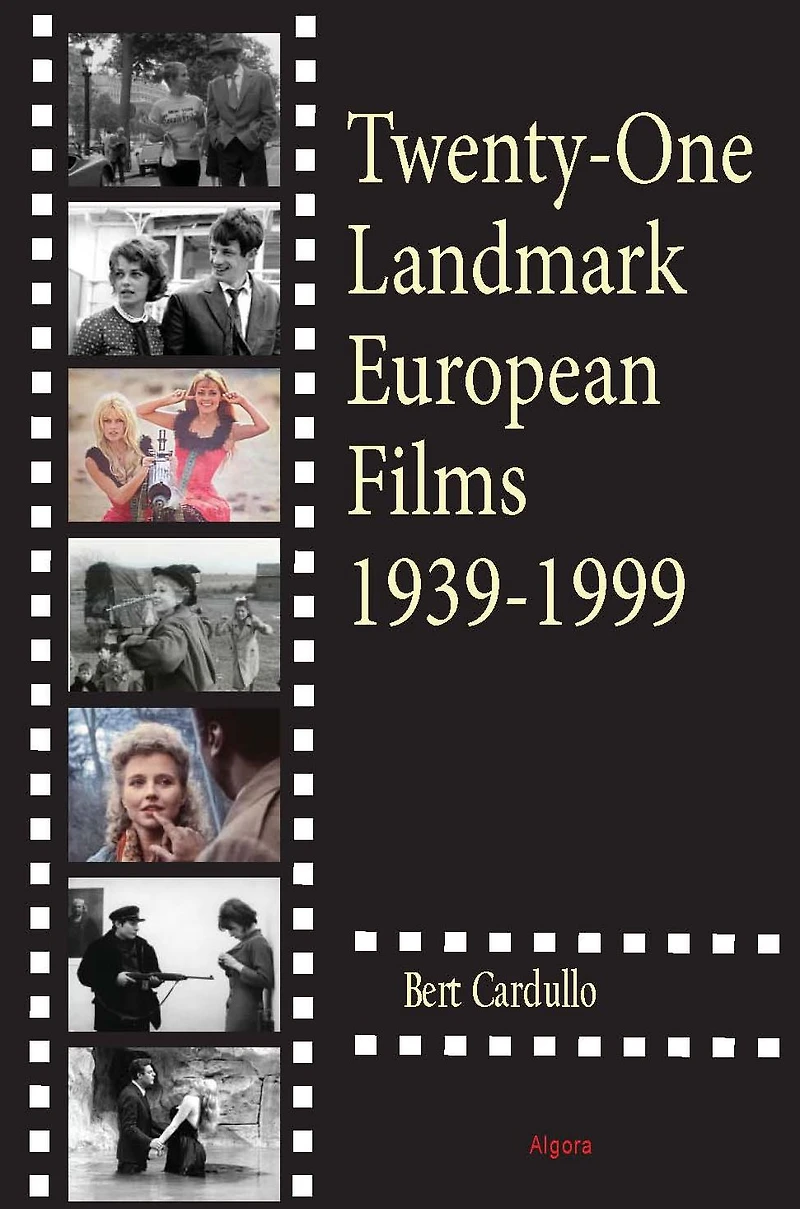
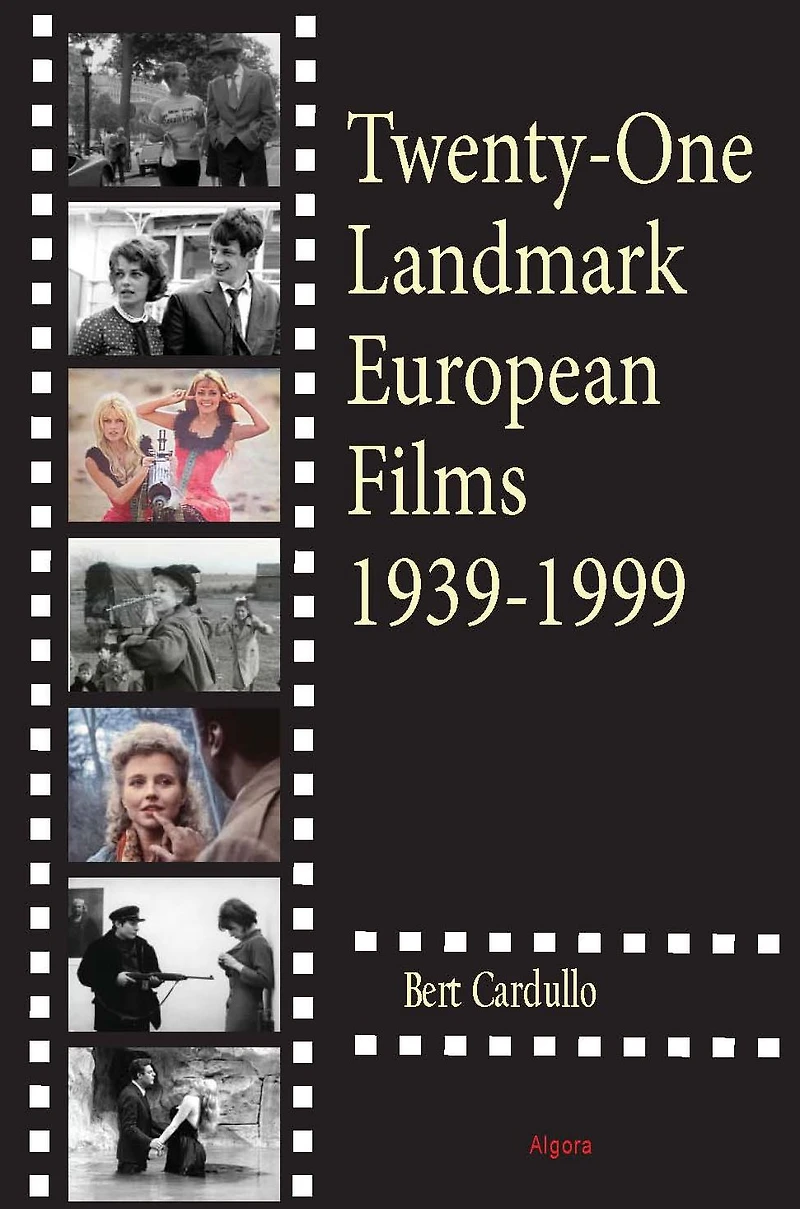
Twenty-One Landmark European Films 1939-1999
Barnes and Noble
Loading Inventory...
Twenty-One Landmark European Films 1939-1999 in Chattanooga, TN
By Barnes & Noble
Current price: $22.95
Barnes and Noble
Twenty-One Landmark European Films 1939-1999 in Chattanooga, TN
By Barnes & Noble
Current price: $22.95
Loading Inventory...
Size: EBook
The essays in this insightful film-analysis text show cover twenty-one of the best European films made between the coming of World War II and the end of the twentieth century, showing what makes each of them outstanding. These essays are clear and readable—that is, sophisticated and meaty yet not overly technical or jargon-heavy. They will make perfect introductions to their respective films as well as important contributions to the field of film studies in general. Written with university students in mind, these essays cover some of the central films treated—and central issues raised—in today’s cinema courses and provide students with practical models to help them improve their own writing and analytical skills. A list of questions for discussion is included, to trigger further thinking among film buffs and to help educators prepare for class.The book is aimed at students, teachers, and cinephiles with an interest in European cinema in particular and cinema studies in general, as well as at those educated readers with an interest in the practice of film analysis and criticism.The only competition comes from Stanley Kauffmann’s relatively brief Ten Great Films (136 pp., 2012). The current work offers twenty-one illustrated essays (Kauffmann’s book contains no images) and focuses on Europe. (The countries represented are France, Italy, England, Hungary, Belgium, Sweden, Scotland, Denmark, Russia, Spain, Germany, Scotland, and Finland.) Twenty-One Landmark European Films, 1939-1999 overlaps with Kauffmann’s book only in the case of L’avventura, though the two approach this film from vastly different angles. Moreover, the book provides a complete critical apparatus—notes, bibliographies, credits, and filmographies, whereas Kauffmann’s has none.This book could be one of the primary texts for courses in film analysis, to accompany a work like Timothy Corrigan’s A Short Guide to Writing about Film (8th edition, 2011). It would also be a suitable supplementary or secondary text in such courses as 'Introduction to Film' or 'Film Appreciation'; 'Western European Cinema'; 'History of Film' or 'Global Cinema'; and 'Film Directors' or 'Film Style and Imagination.'
The essays in this insightful film-analysis text show cover twenty-one of the best European films made between the coming of World War II and the end of the twentieth century, showing what makes each of them outstanding. These essays are clear and readable—that is, sophisticated and meaty yet not overly technical or jargon-heavy. They will make perfect introductions to their respective films as well as important contributions to the field of film studies in general. Written with university students in mind, these essays cover some of the central films treated—and central issues raised—in today’s cinema courses and provide students with practical models to help them improve their own writing and analytical skills. A list of questions for discussion is included, to trigger further thinking among film buffs and to help educators prepare for class.The book is aimed at students, teachers, and cinephiles with an interest in European cinema in particular and cinema studies in general, as well as at those educated readers with an interest in the practice of film analysis and criticism.The only competition comes from Stanley Kauffmann’s relatively brief Ten Great Films (136 pp., 2012). The current work offers twenty-one illustrated essays (Kauffmann’s book contains no images) and focuses on Europe. (The countries represented are France, Italy, England, Hungary, Belgium, Sweden, Scotland, Denmark, Russia, Spain, Germany, Scotland, and Finland.) Twenty-One Landmark European Films, 1939-1999 overlaps with Kauffmann’s book only in the case of L’avventura, though the two approach this film from vastly different angles. Moreover, the book provides a complete critical apparatus—notes, bibliographies, credits, and filmographies, whereas Kauffmann’s has none.This book could be one of the primary texts for courses in film analysis, to accompany a work like Timothy Corrigan’s A Short Guide to Writing about Film (8th edition, 2011). It would also be a suitable supplementary or secondary text in such courses as 'Introduction to Film' or 'Film Appreciation'; 'Western European Cinema'; 'History of Film' or 'Global Cinema'; and 'Film Directors' or 'Film Style and Imagination.'
You May Also Like



![Twenty One Pilots - Clancy [LP]](https://cdn.mall.adeptmind.ai/https%253A%252F%252Fmedia.guitarcenter.com%252Fis%252Fimage%252FMMGS7%252FM12699000000000-00-600x600.jpg_medium.webp)







More About Barnes and Noble at Hamilton Place
Barnes & Noble is the world’s largest retail bookseller and a leading retailer of content, digital media and educational products. Our Nook Digital business offers a lineup of NOOK® tablets and e-Readers and an expansive collection of digital reading content through the NOOK Store®. Barnes & Noble’s mission is to operate the best omni-channel specialty retail business in America, helping both our customers and booksellers reach their aspirations, while being a credit to the communities we serve.
2100 Hamilton Pl Blvd, Chattanooga, TN 37421, United States
Find Barnes and Noble at Hamilton Place in Chattanooga, TN
Visit Barnes and Noble at Hamilton Place in Chattanooga, TN
