
Home
Transforming Protection: The Implications of Unarmed Civilian Protection
Barnes and Noble
Loading Inventory...

Transforming Protection: The Implications of Unarmed Civilian Protection in Chattanooga, TN
Current price: $119.95
Barnes and Noble
Transforming Protection: The Implications of Unarmed Civilian Protection in Chattanooga, TN
Current price: $119.95
Loading Inventory...
Size: Hardcover
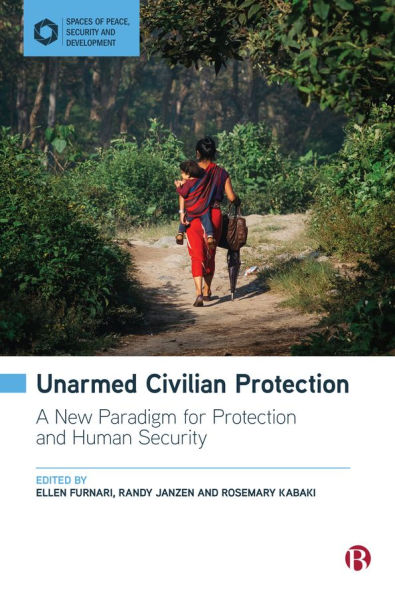
Unarmed Civilian Protection (UCP) is practised globally by civilians protecting fellow civilians without the use of weapons. This book argues that while UCP is useful and transformative in its own right, its principles and values mean it has the potential to transform our responses in a range of social contexts where there is violence.
Chapters investigate the relationship between power, protection and peace; community-led aspects of protection; and successful behaviours and actions in protection. The book argues that when UCP is accepted as a viable form of protection from direct violence, there are wider implications for communities, security and violence. In turn, these insights can provide us with new models for ensuring people’s safety.
Chapters investigate the relationship between power, protection and peace; community-led aspects of protection; and successful behaviours and actions in protection. The book argues that when UCP is accepted as a viable form of protection from direct violence, there are wider implications for communities, security and violence. In turn, these insights can provide us with new models for ensuring people’s safety.
Unarmed Civilian Protection (UCP) is practised globally by civilians protecting fellow civilians without the use of weapons. This book argues that while UCP is useful and transformative in its own right, its principles and values mean it has the potential to transform our responses in a range of social contexts where there is violence.
Chapters investigate the relationship between power, protection and peace; community-led aspects of protection; and successful behaviours and actions in protection. The book argues that when UCP is accepted as a viable form of protection from direct violence, there are wider implications for communities, security and violence. In turn, these insights can provide us with new models for ensuring people’s safety.
Chapters investigate the relationship between power, protection and peace; community-led aspects of protection; and successful behaviours and actions in protection. The book argues that when UCP is accepted as a viable form of protection from direct violence, there are wider implications for communities, security and violence. In turn, these insights can provide us with new models for ensuring people’s safety.
You May Also Like









More About Barnes and Noble at Hamilton Place
Barnes & Noble is the world’s largest retail bookseller and a leading retailer of content, digital media and educational products. Our Nook Digital business offers a lineup of NOOK® tablets and e-Readers and an expansive collection of digital reading content through the NOOK Store®. Barnes & Noble’s mission is to operate the best omni-channel specialty retail business in America, helping both our customers and booksellers reach their aspirations, while being a credit to the communities we serve.
2100 Hamilton Pl Blvd, Chattanooga, TN 37421, United States
Find Barnes and Noble at Hamilton Place in Chattanooga, TN
Visit Barnes and Noble at Hamilton Place in Chattanooga, TN
