
Home
Ting
Barnes and Noble
Loading Inventory...
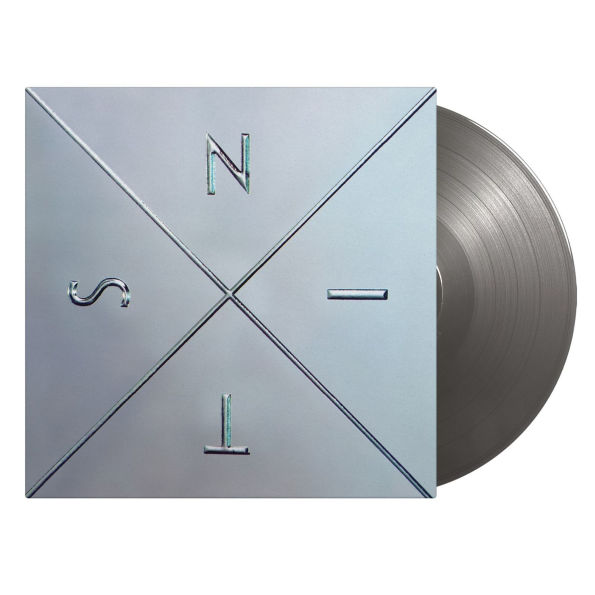
Ting in Chattanooga, TN
Current price: $45.99
Barnes and Noble
Ting in Chattanooga, TN
Current price: $45.99
Loading Inventory...
Size: OS
After the phantasmagorical
Giant Normal Dwarf
, where they'd gleefully splattered the canvas with every color in the rainbow,
the Nits
opted for an altogether more restrained palette for this follow-up. The result was one of the most satisfying albums of their career -- one, moreover, that sounds like no other in the
rock
canon. On paper, the idea of foregrounding the piano to the exclusion of virtually all other instruments might sound less than radical. But if that leads you to expect something in a similar orbit to artists like
Ben Folds
or
Bruce Hornsby
, forget it. Rather, the name of
Philip Glass
might spring to mind more readily, especially during the exquisite opening track,
"Cars and Cars,"
where
Robert Jan Stips
' piano arpeggio is doubled by
Dieuwke Kleijn
's cello. Throughout the album, (digital) pianos are stacked and layered (there are no guitars here): they chime, cascade, and swirl, providing both melody and rhythm to magical effect. Much is made on the sleeve of the presence on
Ting
of a set of stones, designed by Swiss sculptor
Arthur Schneiter
to function as both artwork and musical instrument -- "when you hit them with a mallet they say
." (In fact, they're just one of a battery of exotic percussion instruments deployed with great sensitivity throughout by drummer
Rob Kloet
.) Yet you don't need to know any of this to be seduced by the haunting title track, or cheered by the
McCartney-esque
"Soap Bubble Box."
In fact, of the 15 tracks, only
"River"
fails to make much impression, not least because it's the one occasion where
Henk Hofstede
's
Lennon-ish
vocals give way to the characterless piping of
Stips
.
marked the end of a five-year period during which it seemed
' creativity knew no bounds. Though there would be no precipitous decline, they would never quite scale these heights again. ~ Christopher Evans
Giant Normal Dwarf
, where they'd gleefully splattered the canvas with every color in the rainbow,
the Nits
opted for an altogether more restrained palette for this follow-up. The result was one of the most satisfying albums of their career -- one, moreover, that sounds like no other in the
rock
canon. On paper, the idea of foregrounding the piano to the exclusion of virtually all other instruments might sound less than radical. But if that leads you to expect something in a similar orbit to artists like
Ben Folds
or
Bruce Hornsby
, forget it. Rather, the name of
Philip Glass
might spring to mind more readily, especially during the exquisite opening track,
"Cars and Cars,"
where
Robert Jan Stips
' piano arpeggio is doubled by
Dieuwke Kleijn
's cello. Throughout the album, (digital) pianos are stacked and layered (there are no guitars here): they chime, cascade, and swirl, providing both melody and rhythm to magical effect. Much is made on the sleeve of the presence on
Ting
of a set of stones, designed by Swiss sculptor
Arthur Schneiter
to function as both artwork and musical instrument -- "when you hit them with a mallet they say
." (In fact, they're just one of a battery of exotic percussion instruments deployed with great sensitivity throughout by drummer
Rob Kloet
.) Yet you don't need to know any of this to be seduced by the haunting title track, or cheered by the
McCartney-esque
"Soap Bubble Box."
In fact, of the 15 tracks, only
"River"
fails to make much impression, not least because it's the one occasion where
Henk Hofstede
's
Lennon-ish
vocals give way to the characterless piping of
Stips
.
marked the end of a five-year period during which it seemed
' creativity knew no bounds. Though there would be no precipitous decline, they would never quite scale these heights again. ~ Christopher Evans
After the phantasmagorical
Giant Normal Dwarf
, where they'd gleefully splattered the canvas with every color in the rainbow,
the Nits
opted for an altogether more restrained palette for this follow-up. The result was one of the most satisfying albums of their career -- one, moreover, that sounds like no other in the
rock
canon. On paper, the idea of foregrounding the piano to the exclusion of virtually all other instruments might sound less than radical. But if that leads you to expect something in a similar orbit to artists like
Ben Folds
or
Bruce Hornsby
, forget it. Rather, the name of
Philip Glass
might spring to mind more readily, especially during the exquisite opening track,
"Cars and Cars,"
where
Robert Jan Stips
' piano arpeggio is doubled by
Dieuwke Kleijn
's cello. Throughout the album, (digital) pianos are stacked and layered (there are no guitars here): they chime, cascade, and swirl, providing both melody and rhythm to magical effect. Much is made on the sleeve of the presence on
Ting
of a set of stones, designed by Swiss sculptor
Arthur Schneiter
to function as both artwork and musical instrument -- "when you hit them with a mallet they say
." (In fact, they're just one of a battery of exotic percussion instruments deployed with great sensitivity throughout by drummer
Rob Kloet
.) Yet you don't need to know any of this to be seduced by the haunting title track, or cheered by the
McCartney-esque
"Soap Bubble Box."
In fact, of the 15 tracks, only
"River"
fails to make much impression, not least because it's the one occasion where
Henk Hofstede
's
Lennon-ish
vocals give way to the characterless piping of
Stips
.
marked the end of a five-year period during which it seemed
' creativity knew no bounds. Though there would be no precipitous decline, they would never quite scale these heights again. ~ Christopher Evans
Giant Normal Dwarf
, where they'd gleefully splattered the canvas with every color in the rainbow,
the Nits
opted for an altogether more restrained palette for this follow-up. The result was one of the most satisfying albums of their career -- one, moreover, that sounds like no other in the
rock
canon. On paper, the idea of foregrounding the piano to the exclusion of virtually all other instruments might sound less than radical. But if that leads you to expect something in a similar orbit to artists like
Ben Folds
or
Bruce Hornsby
, forget it. Rather, the name of
Philip Glass
might spring to mind more readily, especially during the exquisite opening track,
"Cars and Cars,"
where
Robert Jan Stips
' piano arpeggio is doubled by
Dieuwke Kleijn
's cello. Throughout the album, (digital) pianos are stacked and layered (there are no guitars here): they chime, cascade, and swirl, providing both melody and rhythm to magical effect. Much is made on the sleeve of the presence on
Ting
of a set of stones, designed by Swiss sculptor
Arthur Schneiter
to function as both artwork and musical instrument -- "when you hit them with a mallet they say
." (In fact, they're just one of a battery of exotic percussion instruments deployed with great sensitivity throughout by drummer
Rob Kloet
.) Yet you don't need to know any of this to be seduced by the haunting title track, or cheered by the
McCartney-esque
"Soap Bubble Box."
In fact, of the 15 tracks, only
"River"
fails to make much impression, not least because it's the one occasion where
Henk Hofstede
's
Lennon-ish
vocals give way to the characterless piping of
Stips
.
marked the end of a five-year period during which it seemed
' creativity knew no bounds. Though there would be no precipitous decline, they would never quite scale these heights again. ~ Christopher Evans
You May Also Like

![Orpheus Descending [Barnes & Noble Exclusive]](https://prodimage.images-bn.com/pimages/0602455291592_p0_v1_s600x595.jpg)
![C'mon [Barnes & Noble Exclusive]](https://prodimage.images-bn.com/pimages/0751937362326_p0_v1_s600x595.jpg)
![Living Well: Dine [Barnes & Noble Exclusive]](https://prodimage.images-bn.com/pimages/0661868319927_p0_v1_s600x595.jpg)
![Records [Red Vinyl] [Barnes & Noble Exclusive]](https://prodimage.images-bn.com/pimages/0603497857890_p0_v1_s600x595.jpg)
![Perfect Lie [Barnes & Noble Exclusive]](https://prodimage.images-bn.com/pimages/0602498868737_p0_v1_s600x595.jpg)
![Last Bell [Barnes & Noble Exclusive]](https://prodimage.images-bn.com/pimages/0198704145698_p0_v1_s600x595.jpg)







More About Barnes and Noble at Hamilton Place
Barnes & Noble is the world’s largest retail bookseller and a leading retailer of content, digital media and educational products. Our Nook Digital business offers a lineup of NOOK® tablets and e-Readers and an expansive collection of digital reading content through the NOOK Store®. Barnes & Noble’s mission is to operate the best omni-channel specialty retail business in America, helping both our customers and booksellers reach their aspirations, while being a credit to the communities we serve.
2100 Hamilton Pl Blvd, Chattanooga, TN 37421, United States
Find Barnes and Noble at Hamilton Place in Chattanooga, TN
Visit Barnes and Noble at Hamilton Place in Chattanooga, TN
