
Home
Thomas Elyot, 'The Image of Governance' and Other Dialogues Counsel (1533-1541)
Barnes and Noble
Loading Inventory...
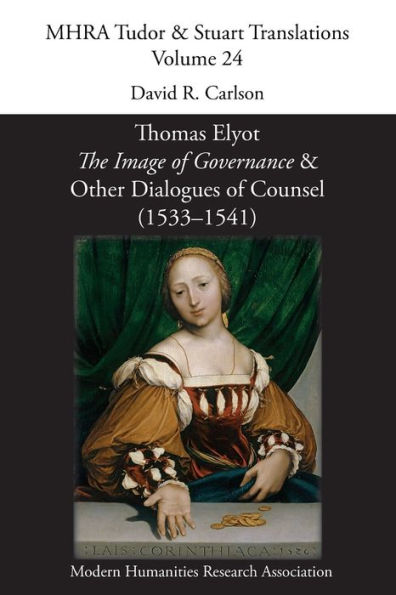
Thomas Elyot, 'The Image of Governance' and Other Dialogues Counsel (1533-1541) in Chattanooga, TN
Current price: $84.99
Barnes and Noble
Thomas Elyot, 'The Image of Governance' and Other Dialogues Counsel (1533-1541) in Chattanooga, TN
Current price: $84.99
Loading Inventory...
Size: Hardcover
Thomas Elyot's
Image of Governance
is an English-language version of the matter of Thomas More's
Utopia
: a tract
de optimo statu reipublicae
, likewise replete with imagined 'dialogues of counsel'; but in an anti-utopian, monarchist perspective, calculated to appeal to Henry VIII. Moreover,
is not imaginary but historical, translated from the late antique Latin
Historia augusta
.
The present book provides critical editions of Elyot's political writings other than the
Governour
, all of which are or incorporate extensive translations of ancient Greek and Latin writings, like the
. In these related 'Dialogues of Counsel', Elyot takes ancient historical cases — Plato's sale into slavery by Dionysius the tyrant of Syracuse, for example; or the life of the West Asian emperor Zenobia, a woman under patriarchy; or the advice of the Attic orator Isocrates to King Nicocles of Salamis; or the failed but ambitious late Roman imperiate of Alexander Severus; et cetera — and dramatises them, by means of the sort of Lucianic dialogue that Erasmus had used for the
Praise of Folly
(More too), except in the vernacular, for a relatively broader, more popular English audience.
Image of Governance
is an English-language version of the matter of Thomas More's
Utopia
: a tract
de optimo statu reipublicae
, likewise replete with imagined 'dialogues of counsel'; but in an anti-utopian, monarchist perspective, calculated to appeal to Henry VIII. Moreover,
is not imaginary but historical, translated from the late antique Latin
Historia augusta
.
The present book provides critical editions of Elyot's political writings other than the
Governour
, all of which are or incorporate extensive translations of ancient Greek and Latin writings, like the
. In these related 'Dialogues of Counsel', Elyot takes ancient historical cases — Plato's sale into slavery by Dionysius the tyrant of Syracuse, for example; or the life of the West Asian emperor Zenobia, a woman under patriarchy; or the advice of the Attic orator Isocrates to King Nicocles of Salamis; or the failed but ambitious late Roman imperiate of Alexander Severus; et cetera — and dramatises them, by means of the sort of Lucianic dialogue that Erasmus had used for the
Praise of Folly
(More too), except in the vernacular, for a relatively broader, more popular English audience.
Thomas Elyot's
Image of Governance
is an English-language version of the matter of Thomas More's
Utopia
: a tract
de optimo statu reipublicae
, likewise replete with imagined 'dialogues of counsel'; but in an anti-utopian, monarchist perspective, calculated to appeal to Henry VIII. Moreover,
is not imaginary but historical, translated from the late antique Latin
Historia augusta
.
The present book provides critical editions of Elyot's political writings other than the
Governour
, all of which are or incorporate extensive translations of ancient Greek and Latin writings, like the
. In these related 'Dialogues of Counsel', Elyot takes ancient historical cases — Plato's sale into slavery by Dionysius the tyrant of Syracuse, for example; or the life of the West Asian emperor Zenobia, a woman under patriarchy; or the advice of the Attic orator Isocrates to King Nicocles of Salamis; or the failed but ambitious late Roman imperiate of Alexander Severus; et cetera — and dramatises them, by means of the sort of Lucianic dialogue that Erasmus had used for the
Praise of Folly
(More too), except in the vernacular, for a relatively broader, more popular English audience.
Image of Governance
is an English-language version of the matter of Thomas More's
Utopia
: a tract
de optimo statu reipublicae
, likewise replete with imagined 'dialogues of counsel'; but in an anti-utopian, monarchist perspective, calculated to appeal to Henry VIII. Moreover,
is not imaginary but historical, translated from the late antique Latin
Historia augusta
.
The present book provides critical editions of Elyot's political writings other than the
Governour
, all of which are or incorporate extensive translations of ancient Greek and Latin writings, like the
. In these related 'Dialogues of Counsel', Elyot takes ancient historical cases — Plato's sale into slavery by Dionysius the tyrant of Syracuse, for example; or the life of the West Asian emperor Zenobia, a woman under patriarchy; or the advice of the Attic orator Isocrates to King Nicocles of Salamis; or the failed but ambitious late Roman imperiate of Alexander Severus; et cetera — and dramatises them, by means of the sort of Lucianic dialogue that Erasmus had used for the
Praise of Folly
(More too), except in the vernacular, for a relatively broader, more popular English audience.
You May Also Like












More About Barnes and Noble at Hamilton Place
Barnes & Noble is the world’s largest retail bookseller and a leading retailer of content, digital media and educational products. Our Nook Digital business offers a lineup of NOOK® tablets and e-Readers and an expansive collection of digital reading content through the NOOK Store®. Barnes & Noble’s mission is to operate the best omni-channel specialty retail business in America, helping both our customers and booksellers reach their aspirations, while being a credit to the communities we serve.
2100 Hamilton Pl Blvd, Chattanooga, TN 37421, United States
Find Barnes and Noble at Hamilton Place in Chattanooga, TN
Visit Barnes and Noble at Hamilton Place in Chattanooga, TN
