
Home
This is Ronnie Burns
Barnes and Noble
Loading Inventory...
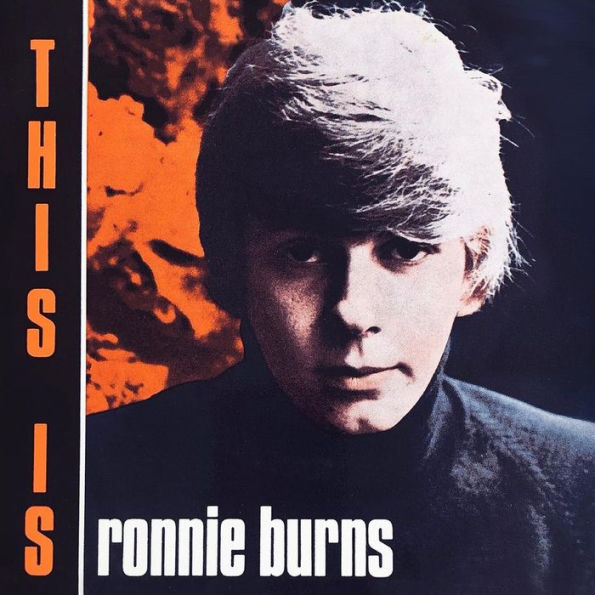
This is Ronnie Burns in Chattanooga, TN
Current price: $16.99
Barnes and Noble
This is Ronnie Burns in Chattanooga, TN
Current price: $16.99
Loading Inventory...
Size: OS
Ronnie Burns
started off his career in the mid-'60s as the singer of
the Flies
, one of the more popular beat groups in Australia. After he left that band, he built a solid career as an interpreter of songs by the
Bee Gees
and a versatile vocalist who could roll with the changes.
This Is Ronnie Burns
is a fine collection of singles recorded and released between 1966 and 1971 that shows off his range. The best tracks are the songs written by the
, including the rambling,
Beatles
-esque "Coalman," the baroque rocker "Exit Stage Right," and quieter ballads like "Butterfly" and an exquisite take of "In the Morning." That track is one of the best early
Gibbs
compositions and
Burns
delivers it in relaxed, slightly trippy fashion. His connection with the
was severed after a few singles when the brothers headed to England and he decide to stay home.
was saddled with songs that didn't quite measure up to the
standards -- the goofy "Harry the Happy Hooligan" and slight "Piccadilly Pages" -- but he sang them with a good-natured bonhomie that makes them hard to resist. When he did get a winner, like the
Jeff Barry
/
Andy Kim
-penned "How'd We Ever Get This Way,"
rose to the challenge and gave a great performance. As the decade turned,
turned to less bubblegummy fare, releasing anti-war ("Smiley") and vaguely religious ("The Prophet") songs that showed an attempt to break out of the pop-star track and ironically became two of his biggest hits.
dropped out of the music scene in the early '70s, leaving behind a couple albums and this batch of singles. It's about time these songs were collected and released. They shine a light on the
as songwriters at the start of their career, and this compilation finally gives
a little of the attention he deserves. ~ Tim Sendra
started off his career in the mid-'60s as the singer of
the Flies
, one of the more popular beat groups in Australia. After he left that band, he built a solid career as an interpreter of songs by the
Bee Gees
and a versatile vocalist who could roll with the changes.
This Is Ronnie Burns
is a fine collection of singles recorded and released between 1966 and 1971 that shows off his range. The best tracks are the songs written by the
, including the rambling,
Beatles
-esque "Coalman," the baroque rocker "Exit Stage Right," and quieter ballads like "Butterfly" and an exquisite take of "In the Morning." That track is one of the best early
Gibbs
compositions and
Burns
delivers it in relaxed, slightly trippy fashion. His connection with the
was severed after a few singles when the brothers headed to England and he decide to stay home.
was saddled with songs that didn't quite measure up to the
standards -- the goofy "Harry the Happy Hooligan" and slight "Piccadilly Pages" -- but he sang them with a good-natured bonhomie that makes them hard to resist. When he did get a winner, like the
Jeff Barry
/
Andy Kim
-penned "How'd We Ever Get This Way,"
rose to the challenge and gave a great performance. As the decade turned,
turned to less bubblegummy fare, releasing anti-war ("Smiley") and vaguely religious ("The Prophet") songs that showed an attempt to break out of the pop-star track and ironically became two of his biggest hits.
dropped out of the music scene in the early '70s, leaving behind a couple albums and this batch of singles. It's about time these songs were collected and released. They shine a light on the
as songwriters at the start of their career, and this compilation finally gives
a little of the attention he deserves. ~ Tim Sendra
Ronnie Burns
started off his career in the mid-'60s as the singer of
the Flies
, one of the more popular beat groups in Australia. After he left that band, he built a solid career as an interpreter of songs by the
Bee Gees
and a versatile vocalist who could roll with the changes.
This Is Ronnie Burns
is a fine collection of singles recorded and released between 1966 and 1971 that shows off his range. The best tracks are the songs written by the
, including the rambling,
Beatles
-esque "Coalman," the baroque rocker "Exit Stage Right," and quieter ballads like "Butterfly" and an exquisite take of "In the Morning." That track is one of the best early
Gibbs
compositions and
Burns
delivers it in relaxed, slightly trippy fashion. His connection with the
was severed after a few singles when the brothers headed to England and he decide to stay home.
was saddled with songs that didn't quite measure up to the
standards -- the goofy "Harry the Happy Hooligan" and slight "Piccadilly Pages" -- but he sang them with a good-natured bonhomie that makes them hard to resist. When he did get a winner, like the
Jeff Barry
/
Andy Kim
-penned "How'd We Ever Get This Way,"
rose to the challenge and gave a great performance. As the decade turned,
turned to less bubblegummy fare, releasing anti-war ("Smiley") and vaguely religious ("The Prophet") songs that showed an attempt to break out of the pop-star track and ironically became two of his biggest hits.
dropped out of the music scene in the early '70s, leaving behind a couple albums and this batch of singles. It's about time these songs were collected and released. They shine a light on the
as songwriters at the start of their career, and this compilation finally gives
a little of the attention he deserves. ~ Tim Sendra
started off his career in the mid-'60s as the singer of
the Flies
, one of the more popular beat groups in Australia. After he left that band, he built a solid career as an interpreter of songs by the
Bee Gees
and a versatile vocalist who could roll with the changes.
This Is Ronnie Burns
is a fine collection of singles recorded and released between 1966 and 1971 that shows off his range. The best tracks are the songs written by the
, including the rambling,
Beatles
-esque "Coalman," the baroque rocker "Exit Stage Right," and quieter ballads like "Butterfly" and an exquisite take of "In the Morning." That track is one of the best early
Gibbs
compositions and
Burns
delivers it in relaxed, slightly trippy fashion. His connection with the
was severed after a few singles when the brothers headed to England and he decide to stay home.
was saddled with songs that didn't quite measure up to the
standards -- the goofy "Harry the Happy Hooligan" and slight "Piccadilly Pages" -- but he sang them with a good-natured bonhomie that makes them hard to resist. When he did get a winner, like the
Jeff Barry
/
Andy Kim
-penned "How'd We Ever Get This Way,"
rose to the challenge and gave a great performance. As the decade turned,
turned to less bubblegummy fare, releasing anti-war ("Smiley") and vaguely religious ("The Prophet") songs that showed an attempt to break out of the pop-star track and ironically became two of his biggest hits.
dropped out of the music scene in the early '70s, leaving behind a couple albums and this batch of singles. It's about time these songs were collected and released. They shine a light on the
as songwriters at the start of their career, and this compilation finally gives
a little of the attention he deserves. ~ Tim Sendra
You May Also Like
![Slow Burn [Translucent Orange Crush Vinyl] [Barnes & Noble Exclusive]](https://prodimage.images-bn.com/pimages/0888072635487_p0_v1_s600x595.jpg)















More About Barnes and Noble at Hamilton Place
Barnes & Noble is the world’s largest retail bookseller and a leading retailer of content, digital media and educational products. Our Nook Digital business offers a lineup of NOOK® tablets and e-Readers and an expansive collection of digital reading content through the NOOK Store®. Barnes & Noble’s mission is to operate the best omni-channel specialty retail business in America, helping both our customers and booksellers reach their aspirations, while being a credit to the communities we serve.
2100 Hamilton Pl Blvd, Chattanooga, TN 37421, United States
Find Barnes and Noble at Hamilton Place in Chattanooga, TN
Visit Barnes and Noble at Hamilton Place in Chattanooga, TN
