
Home
Thinking Literature: Essays on Reading Literary Classics Today
Barnes and Noble
Loading Inventory...
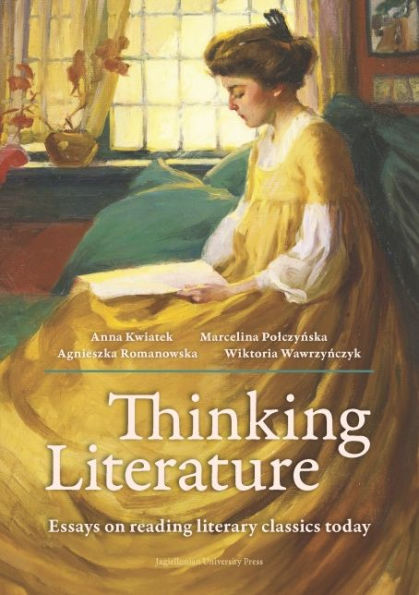
Thinking Literature: Essays on Reading Literary Classics Today in Chattanooga, TN
Current price: $35.00
Barnes and Noble
Thinking Literature: Essays on Reading Literary Classics Today in Chattanooga, TN
Current price: $35.00
Loading Inventory...
Size: Paperback
Inspired by Mary Shelley’s conviction that reading is a socially significant communal activity, this book presents four essays on modern interactions with literary classics. Ancient tragedy, Shakespeare, and
Frankenstein
are read anew in the context of challenges and dangers we are facing nowadays. The titular phrase, thinking literature, is meant to indicate reading literature of the previous epochs in a way that allows one to contemplate human condition against the background of the past and in connection with the present.
The essays on Ahmed Saadawi’s
Frankenstein in Baghdad
, Kamila Shamsie’s
Home Fire
, Margaret Atwood’s
Hag-Seed
, and modern reactions to suicide in
Romeo and Juliet
and
Hamlet
, testify to the lasting relevance of ancient Greek tragedy, Shakespeare’s plays and Mary Shalley’s cautionary tale. Thinking literature by revisiting canonical texts and sharing with others the experience this brings, helps us to define, understand and confront the social and political challenges of today’s increasingly complex world.
Frankenstein
are read anew in the context of challenges and dangers we are facing nowadays. The titular phrase, thinking literature, is meant to indicate reading literature of the previous epochs in a way that allows one to contemplate human condition against the background of the past and in connection with the present.
The essays on Ahmed Saadawi’s
Frankenstein in Baghdad
, Kamila Shamsie’s
Home Fire
, Margaret Atwood’s
Hag-Seed
, and modern reactions to suicide in
Romeo and Juliet
and
Hamlet
, testify to the lasting relevance of ancient Greek tragedy, Shakespeare’s plays and Mary Shalley’s cautionary tale. Thinking literature by revisiting canonical texts and sharing with others the experience this brings, helps us to define, understand and confront the social and political challenges of today’s increasingly complex world.
Inspired by Mary Shelley’s conviction that reading is a socially significant communal activity, this book presents four essays on modern interactions with literary classics. Ancient tragedy, Shakespeare, and
Frankenstein
are read anew in the context of challenges and dangers we are facing nowadays. The titular phrase, thinking literature, is meant to indicate reading literature of the previous epochs in a way that allows one to contemplate human condition against the background of the past and in connection with the present.
The essays on Ahmed Saadawi’s
Frankenstein in Baghdad
, Kamila Shamsie’s
Home Fire
, Margaret Atwood’s
Hag-Seed
, and modern reactions to suicide in
Romeo and Juliet
and
Hamlet
, testify to the lasting relevance of ancient Greek tragedy, Shakespeare’s plays and Mary Shalley’s cautionary tale. Thinking literature by revisiting canonical texts and sharing with others the experience this brings, helps us to define, understand and confront the social and political challenges of today’s increasingly complex world.
Frankenstein
are read anew in the context of challenges and dangers we are facing nowadays. The titular phrase, thinking literature, is meant to indicate reading literature of the previous epochs in a way that allows one to contemplate human condition against the background of the past and in connection with the present.
The essays on Ahmed Saadawi’s
Frankenstein in Baghdad
, Kamila Shamsie’s
Home Fire
, Margaret Atwood’s
Hag-Seed
, and modern reactions to suicide in
Romeo and Juliet
and
Hamlet
, testify to the lasting relevance of ancient Greek tragedy, Shakespeare’s plays and Mary Shalley’s cautionary tale. Thinking literature by revisiting canonical texts and sharing with others the experience this brings, helps us to define, understand and confront the social and political challenges of today’s increasingly complex world.
You May Also Like









More About Barnes and Noble at Hamilton Place
Barnes & Noble is the world’s largest retail bookseller and a leading retailer of content, digital media and educational products. Our Nook Digital business offers a lineup of NOOK® tablets and e-Readers and an expansive collection of digital reading content through the NOOK Store®. Barnes & Noble’s mission is to operate the best omni-channel specialty retail business in America, helping both our customers and booksellers reach their aspirations, while being a credit to the communities we serve.
2100 Hamilton Pl Blvd, Chattanooga, TN 37421, United States
Find Barnes and Noble at Hamilton Place in Chattanooga, TN
Visit Barnes and Noble at Hamilton Place in Chattanooga, TN
