
Home
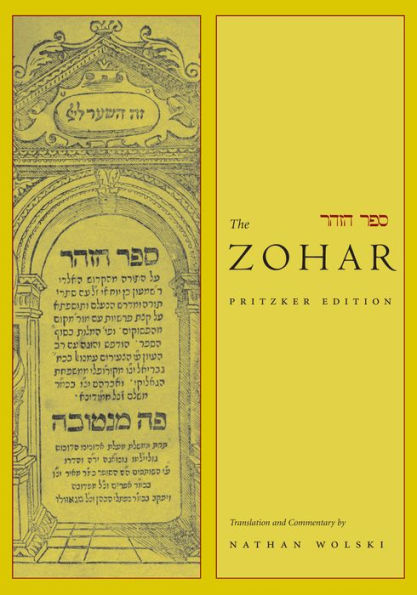
The Zohar: Pritzker Edition, Volume Seven
Barnes and Noble
Loading Inventory...

The Zohar: Pritzker Edition, Volume Seven in Chattanooga, TN
Current price: $65.00
Barnes and Noble
The Zohar: Pritzker Edition, Volume Seven in Chattanooga, TN
Current price: $65.00
Loading Inventory...
Size: OS
Sefer ha-Zohar
(The Book of Radiance) has amazed readers ever since it emerged in medieval Spain over seven hundred years ago. Written in lyrical Aramaic, this masterpiece of Kabbalah exceeds the dimensions of a normal book; it is virtually a body of mystical literature, comprising over twenty discrete sections. The bulk of the
Zohar
consists of a mystical interpretation of the Torah, from Genesis through Deuteronomy.
This seventh volume of
The Zohar: Pritzker Edition
consists of commentary on more than half the book of Leviticus. How does the
deal with a biblical text devoted largely to animal sacrifices, cereal offerings, and priestly ritual? Here these ancient laws and procedures are spiritualized, transformed into symbols of God's inner life, now that both the Desert Tabernacle and the Temple in Jerusalem no longer exist. For example, the ascent offering, which was totally consumed on the altar, is known in Hebrew as
olah
(literally, "that which ascends"). In the
, this symbolizes
Shekhinah
, last of the ten
sefirot
(divine potencies), who ascends to unite with Her beloved, the blessed Holy One.
The biblical narrative describes how two of Aaron's sons, Nadab and Abihu,
offered alien fire before YHVH
and were immediately consumed in a divine blaze. Rabbinic tradition suggested various reasons why they were killed: they lacked the proper priestly garments, or had not washed their hands and feet, or were drunk, or were not married. For the
, marriage enables one to imitate the divine union of male and female energies, and to stimulate that union above. By not marrying, Nadab and Abihu remained incomplete and unfulfilled. According to a related Zoharic passage, their ritual act failed because in their contemplation of the divine qualities they did not include
Shekhinah.
Without Her, God is incomplete.
(The Book of Radiance) has amazed readers ever since it emerged in medieval Spain over seven hundred years ago. Written in lyrical Aramaic, this masterpiece of Kabbalah exceeds the dimensions of a normal book; it is virtually a body of mystical literature, comprising over twenty discrete sections. The bulk of the
Zohar
consists of a mystical interpretation of the Torah, from Genesis through Deuteronomy.
This seventh volume of
The Zohar: Pritzker Edition
consists of commentary on more than half the book of Leviticus. How does the
deal with a biblical text devoted largely to animal sacrifices, cereal offerings, and priestly ritual? Here these ancient laws and procedures are spiritualized, transformed into symbols of God's inner life, now that both the Desert Tabernacle and the Temple in Jerusalem no longer exist. For example, the ascent offering, which was totally consumed on the altar, is known in Hebrew as
olah
(literally, "that which ascends"). In the
, this symbolizes
Shekhinah
, last of the ten
sefirot
(divine potencies), who ascends to unite with Her beloved, the blessed Holy One.
The biblical narrative describes how two of Aaron's sons, Nadab and Abihu,
offered alien fire before YHVH
and were immediately consumed in a divine blaze. Rabbinic tradition suggested various reasons why they were killed: they lacked the proper priestly garments, or had not washed their hands and feet, or were drunk, or were not married. For the
, marriage enables one to imitate the divine union of male and female energies, and to stimulate that union above. By not marrying, Nadab and Abihu remained incomplete and unfulfilled. According to a related Zoharic passage, their ritual act failed because in their contemplation of the divine qualities they did not include
Shekhinah.
Without Her, God is incomplete.
Sefer ha-Zohar
(The Book of Radiance) has amazed readers ever since it emerged in medieval Spain over seven hundred years ago. Written in lyrical Aramaic, this masterpiece of Kabbalah exceeds the dimensions of a normal book; it is virtually a body of mystical literature, comprising over twenty discrete sections. The bulk of the
Zohar
consists of a mystical interpretation of the Torah, from Genesis through Deuteronomy.
This seventh volume of
The Zohar: Pritzker Edition
consists of commentary on more than half the book of Leviticus. How does the
deal with a biblical text devoted largely to animal sacrifices, cereal offerings, and priestly ritual? Here these ancient laws and procedures are spiritualized, transformed into symbols of God's inner life, now that both the Desert Tabernacle and the Temple in Jerusalem no longer exist. For example, the ascent offering, which was totally consumed on the altar, is known in Hebrew as
olah
(literally, "that which ascends"). In the
, this symbolizes
Shekhinah
, last of the ten
sefirot
(divine potencies), who ascends to unite with Her beloved, the blessed Holy One.
The biblical narrative describes how two of Aaron's sons, Nadab and Abihu,
offered alien fire before YHVH
and were immediately consumed in a divine blaze. Rabbinic tradition suggested various reasons why they were killed: they lacked the proper priestly garments, or had not washed their hands and feet, or were drunk, or were not married. For the
, marriage enables one to imitate the divine union of male and female energies, and to stimulate that union above. By not marrying, Nadab and Abihu remained incomplete and unfulfilled. According to a related Zoharic passage, their ritual act failed because in their contemplation of the divine qualities they did not include
Shekhinah.
Without Her, God is incomplete.
(The Book of Radiance) has amazed readers ever since it emerged in medieval Spain over seven hundred years ago. Written in lyrical Aramaic, this masterpiece of Kabbalah exceeds the dimensions of a normal book; it is virtually a body of mystical literature, comprising over twenty discrete sections. The bulk of the
Zohar
consists of a mystical interpretation of the Torah, from Genesis through Deuteronomy.
This seventh volume of
The Zohar: Pritzker Edition
consists of commentary on more than half the book of Leviticus. How does the
deal with a biblical text devoted largely to animal sacrifices, cereal offerings, and priestly ritual? Here these ancient laws and procedures are spiritualized, transformed into symbols of God's inner life, now that both the Desert Tabernacle and the Temple in Jerusalem no longer exist. For example, the ascent offering, which was totally consumed on the altar, is known in Hebrew as
olah
(literally, "that which ascends"). In the
, this symbolizes
Shekhinah
, last of the ten
sefirot
(divine potencies), who ascends to unite with Her beloved, the blessed Holy One.
The biblical narrative describes how two of Aaron's sons, Nadab and Abihu,
offered alien fire before YHVH
and were immediately consumed in a divine blaze. Rabbinic tradition suggested various reasons why they were killed: they lacked the proper priestly garments, or had not washed their hands and feet, or were drunk, or were not married. For the
, marriage enables one to imitate the divine union of male and female energies, and to stimulate that union above. By not marrying, Nadab and Abihu remained incomplete and unfulfilled. According to a related Zoharic passage, their ritual act failed because in their contemplation of the divine qualities they did not include
Shekhinah.
Without Her, God is incomplete.
You May Also Like










More About Barnes and Noble at Hamilton Place
Barnes & Noble is the world’s largest retail bookseller and a leading retailer of content, digital media and educational products. Our Nook Digital business offers a lineup of NOOK® tablets and e-Readers and an expansive collection of digital reading content through the NOOK Store®. Barnes & Noble’s mission is to operate the best omni-channel specialty retail business in America, helping both our customers and booksellers reach their aspirations, while being a credit to the communities we serve.
2100 Hamilton Pl Blvd, Chattanooga, TN 37421, United States
Find Barnes and Noble at Hamilton Place in Chattanooga, TN
Visit Barnes and Noble at Hamilton Place in Chattanooga, TN
