
Home
The Witches' Ointment: Secret History of Psychedelic Magic
Barnes and Noble
Loading Inventory...
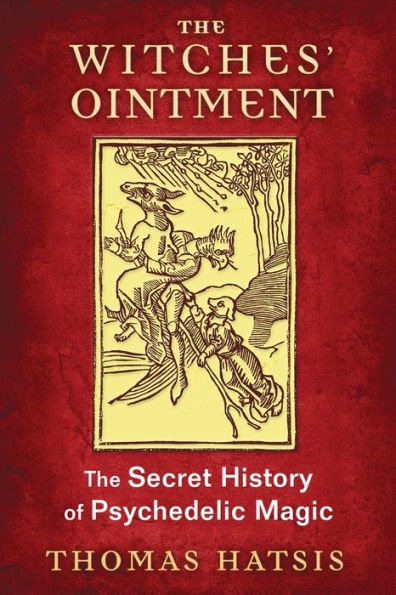
The Witches' Ointment: Secret History of Psychedelic Magic in Chattanooga, TN
Current price: $17.99
Barnes and Noble
The Witches' Ointment: Secret History of Psychedelic Magic in Chattanooga, TN
Current price: $17.99
Loading Inventory...
Size: Audiobook
An exploration of the historical origins of the “witches’ ointment” and medieval hallucinogenic drug practices based on the earliest sources
• Details how early modern theologians demonized psychedelic folk magic into “witches’ ointments”
• Shares dozens of psychoactive formulas and recipes gleaned from rare manuscripts from university collections all over the world as well as the practices and magical incantations necessary for their preparation
• Examines the practices of medieval witches like Matteuccia di Francisco, who used hallucinogenic drugs in her love potions and herbal preparations
In the medieval period preparations with hallucinogenic herbs were part of the practice of
veneficium
, or poison magic. This collection of magical arts used poisons, herbs, and rituals to bewitch, heal, prophesy, infect, and murder. In the form of psyche-magical ointments, poison magic could trigger powerful hallucinations and surrealistic dreams that enabled direct experience of the Divine. Smeared on the skin, these entheogenic ointments were said to enable witches to commune with various local goddesses, bastardized by the Church as trips to the
Sabbat
--clandestine meetings with Satan to learn magic and participate in demonic orgies.
Examining trial records and the pharmacopoeia of witches, alchemists, folk healers, and heretics of the 15th century, Thomas Hatsis details how a range of ideas from folk drugs to ecclesiastical fears over medicine women merged to form the classical “witch” stereotype and what history has called the “witches’ ointment.” He shares dozens of psychoactive formulas and recipes gleaned from rare manuscripts from university collections from all over the world as well as the practices and magical incantations necessary for their preparation. He explores the connections between witches’ ointments and spells for shape shifting, spirit travel, and bewitching magic. He examines the practices of some Renaissance magicians, who inhaled powerful drugs to communicate with spirits, and of Italian folk-witches, such as Matteuccia di Francisco, who used hallucinogenic drugs in her love potions and herbal preparations, and Finicella, who used drug ointments to imagine herself transformed into a cat.
Exploring the untold history of the witches’ ointment and medieval hallucinogen use, Hatsis reveals how the Church transformed folk drug practices, specifically entheogenic ones, into satanic experiences.
• Details how early modern theologians demonized psychedelic folk magic into “witches’ ointments”
• Shares dozens of psychoactive formulas and recipes gleaned from rare manuscripts from university collections all over the world as well as the practices and magical incantations necessary for their preparation
• Examines the practices of medieval witches like Matteuccia di Francisco, who used hallucinogenic drugs in her love potions and herbal preparations
In the medieval period preparations with hallucinogenic herbs were part of the practice of
veneficium
, or poison magic. This collection of magical arts used poisons, herbs, and rituals to bewitch, heal, prophesy, infect, and murder. In the form of psyche-magical ointments, poison magic could trigger powerful hallucinations and surrealistic dreams that enabled direct experience of the Divine. Smeared on the skin, these entheogenic ointments were said to enable witches to commune with various local goddesses, bastardized by the Church as trips to the
Sabbat
--clandestine meetings with Satan to learn magic and participate in demonic orgies.
Examining trial records and the pharmacopoeia of witches, alchemists, folk healers, and heretics of the 15th century, Thomas Hatsis details how a range of ideas from folk drugs to ecclesiastical fears over medicine women merged to form the classical “witch” stereotype and what history has called the “witches’ ointment.” He shares dozens of psychoactive formulas and recipes gleaned from rare manuscripts from university collections from all over the world as well as the practices and magical incantations necessary for their preparation. He explores the connections between witches’ ointments and spells for shape shifting, spirit travel, and bewitching magic. He examines the practices of some Renaissance magicians, who inhaled powerful drugs to communicate with spirits, and of Italian folk-witches, such as Matteuccia di Francisco, who used hallucinogenic drugs in her love potions and herbal preparations, and Finicella, who used drug ointments to imagine herself transformed into a cat.
Exploring the untold history of the witches’ ointment and medieval hallucinogen use, Hatsis reveals how the Church transformed folk drug practices, specifically entheogenic ones, into satanic experiences.
An exploration of the historical origins of the “witches’ ointment” and medieval hallucinogenic drug practices based on the earliest sources
• Details how early modern theologians demonized psychedelic folk magic into “witches’ ointments”
• Shares dozens of psychoactive formulas and recipes gleaned from rare manuscripts from university collections all over the world as well as the practices and magical incantations necessary for their preparation
• Examines the practices of medieval witches like Matteuccia di Francisco, who used hallucinogenic drugs in her love potions and herbal preparations
In the medieval period preparations with hallucinogenic herbs were part of the practice of
veneficium
, or poison magic. This collection of magical arts used poisons, herbs, and rituals to bewitch, heal, prophesy, infect, and murder. In the form of psyche-magical ointments, poison magic could trigger powerful hallucinations and surrealistic dreams that enabled direct experience of the Divine. Smeared on the skin, these entheogenic ointments were said to enable witches to commune with various local goddesses, bastardized by the Church as trips to the
Sabbat
--clandestine meetings with Satan to learn magic and participate in demonic orgies.
Examining trial records and the pharmacopoeia of witches, alchemists, folk healers, and heretics of the 15th century, Thomas Hatsis details how a range of ideas from folk drugs to ecclesiastical fears over medicine women merged to form the classical “witch” stereotype and what history has called the “witches’ ointment.” He shares dozens of psychoactive formulas and recipes gleaned from rare manuscripts from university collections from all over the world as well as the practices and magical incantations necessary for their preparation. He explores the connections between witches’ ointments and spells for shape shifting, spirit travel, and bewitching magic. He examines the practices of some Renaissance magicians, who inhaled powerful drugs to communicate with spirits, and of Italian folk-witches, such as Matteuccia di Francisco, who used hallucinogenic drugs in her love potions and herbal preparations, and Finicella, who used drug ointments to imagine herself transformed into a cat.
Exploring the untold history of the witches’ ointment and medieval hallucinogen use, Hatsis reveals how the Church transformed folk drug practices, specifically entheogenic ones, into satanic experiences.
• Details how early modern theologians demonized psychedelic folk magic into “witches’ ointments”
• Shares dozens of psychoactive formulas and recipes gleaned from rare manuscripts from university collections all over the world as well as the practices and magical incantations necessary for their preparation
• Examines the practices of medieval witches like Matteuccia di Francisco, who used hallucinogenic drugs in her love potions and herbal preparations
In the medieval period preparations with hallucinogenic herbs were part of the practice of
veneficium
, or poison magic. This collection of magical arts used poisons, herbs, and rituals to bewitch, heal, prophesy, infect, and murder. In the form of psyche-magical ointments, poison magic could trigger powerful hallucinations and surrealistic dreams that enabled direct experience of the Divine. Smeared on the skin, these entheogenic ointments were said to enable witches to commune with various local goddesses, bastardized by the Church as trips to the
Sabbat
--clandestine meetings with Satan to learn magic and participate in demonic orgies.
Examining trial records and the pharmacopoeia of witches, alchemists, folk healers, and heretics of the 15th century, Thomas Hatsis details how a range of ideas from folk drugs to ecclesiastical fears over medicine women merged to form the classical “witch” stereotype and what history has called the “witches’ ointment.” He shares dozens of psychoactive formulas and recipes gleaned from rare manuscripts from university collections from all over the world as well as the practices and magical incantations necessary for their preparation. He explores the connections between witches’ ointments and spells for shape shifting, spirit travel, and bewitching magic. He examines the practices of some Renaissance magicians, who inhaled powerful drugs to communicate with spirits, and of Italian folk-witches, such as Matteuccia di Francisco, who used hallucinogenic drugs in her love potions and herbal preparations, and Finicella, who used drug ointments to imagine herself transformed into a cat.
Exploring the untold history of the witches’ ointment and medieval hallucinogen use, Hatsis reveals how the Church transformed folk drug practices, specifically entheogenic ones, into satanic experiences.
You May Also Like










More About Barnes and Noble at Hamilton Place
Barnes & Noble is the world’s largest retail bookseller and a leading retailer of content, digital media and educational products. Our Nook Digital business offers a lineup of NOOK® tablets and e-Readers and an expansive collection of digital reading content through the NOOK Store®. Barnes & Noble’s mission is to operate the best omni-channel specialty retail business in America, helping both our customers and booksellers reach their aspirations, while being a credit to the communities we serve.
2100 Hamilton Pl Blvd, Chattanooga, TN 37421, United States
Find Barnes and Noble at Hamilton Place in Chattanooga, TN
Visit Barnes and Noble at Hamilton Place in Chattanooga, TN
