
Home
The White Nuns: Cistercian Abbeys for Women in Medieval France
Barnes and Noble
Loading Inventory...
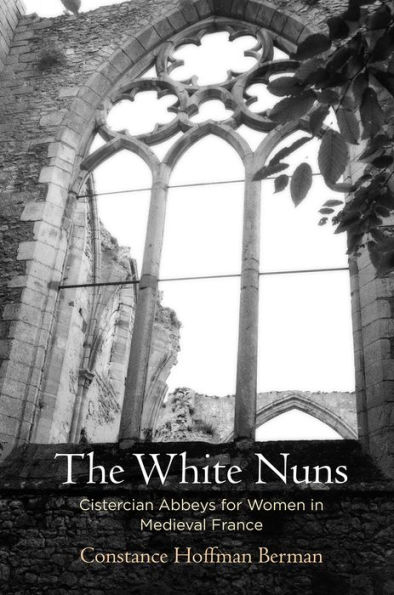
The White Nuns: Cistercian Abbeys for Women in Medieval France in Chattanooga, TN
Current price: $94.95
Barnes and Noble
The White Nuns: Cistercian Abbeys for Women in Medieval France in Chattanooga, TN
Current price: $94.95
Loading Inventory...
Size: OS
Modern studies of the religious reform movement of the central Middle Ages have often relied on contemporary accounts penned by Cistercian monks, who routinely exaggerated the importance of their own institutions while paying scant attention to the remarkable expansion of abbeys of Cistercian women. Yet by the end of the thirteenth century, Constance Hoffman Berman contends, there were more houses of Cistercian nuns across Europe than of monks. In
The White Nuns
, she charts the stages in the nuns' gradual acceptance by the abbots of the Cistercian Order's General Chapter and describes the expansion of the nuns' communities and their adaptation to a variety of economic circumstances in France and throughout Europe. While some sought contemplative lives of prayer, the ambition of many of these religious women was to serve the poor, the sick, and the elderly.
Focusing in particular on Cistercian nuns' abbeys founded between 1190 and 1250 in the northern French archdiocese of Sens, Berman reveals the frequency with which communities of Cistercian nuns were founded by rich and powerful women, including Queen Blanche of Castile, heiresses Countess Matilda of Courtenay and Countess Isabelle of Chartres, and esteemed ladies such as Agnes of Cressonessart. She shows how these founders and early patrons assisted early abbesses, nuns, and lay sisters by using written documents to secure rights and create endowments, and it is on the records of their considerable economic achievements that she centers her analysis.
considers Cistercian women and the women who were their patrons in a clear-eyed reading of narrative texts in their contexts. It challenges conventional scholarship that accepts the words of medieval monastic writers as literal truth, as if they were written without rhetorical skill, bias, or self-interest. In its identification of long-accepted misogynies, its search for their origins, and its struggle to reject such misreadings,
provides a robust model for historians writing against received traditions.
The White Nuns
, she charts the stages in the nuns' gradual acceptance by the abbots of the Cistercian Order's General Chapter and describes the expansion of the nuns' communities and their adaptation to a variety of economic circumstances in France and throughout Europe. While some sought contemplative lives of prayer, the ambition of many of these religious women was to serve the poor, the sick, and the elderly.
Focusing in particular on Cistercian nuns' abbeys founded between 1190 and 1250 in the northern French archdiocese of Sens, Berman reveals the frequency with which communities of Cistercian nuns were founded by rich and powerful women, including Queen Blanche of Castile, heiresses Countess Matilda of Courtenay and Countess Isabelle of Chartres, and esteemed ladies such as Agnes of Cressonessart. She shows how these founders and early patrons assisted early abbesses, nuns, and lay sisters by using written documents to secure rights and create endowments, and it is on the records of their considerable economic achievements that she centers her analysis.
considers Cistercian women and the women who were their patrons in a clear-eyed reading of narrative texts in their contexts. It challenges conventional scholarship that accepts the words of medieval monastic writers as literal truth, as if they were written without rhetorical skill, bias, or self-interest. In its identification of long-accepted misogynies, its search for their origins, and its struggle to reject such misreadings,
provides a robust model for historians writing against received traditions.
Modern studies of the religious reform movement of the central Middle Ages have often relied on contemporary accounts penned by Cistercian monks, who routinely exaggerated the importance of their own institutions while paying scant attention to the remarkable expansion of abbeys of Cistercian women. Yet by the end of the thirteenth century, Constance Hoffman Berman contends, there were more houses of Cistercian nuns across Europe than of monks. In
The White Nuns
, she charts the stages in the nuns' gradual acceptance by the abbots of the Cistercian Order's General Chapter and describes the expansion of the nuns' communities and their adaptation to a variety of economic circumstances in France and throughout Europe. While some sought contemplative lives of prayer, the ambition of many of these religious women was to serve the poor, the sick, and the elderly.
Focusing in particular on Cistercian nuns' abbeys founded between 1190 and 1250 in the northern French archdiocese of Sens, Berman reveals the frequency with which communities of Cistercian nuns were founded by rich and powerful women, including Queen Blanche of Castile, heiresses Countess Matilda of Courtenay and Countess Isabelle of Chartres, and esteemed ladies such as Agnes of Cressonessart. She shows how these founders and early patrons assisted early abbesses, nuns, and lay sisters by using written documents to secure rights and create endowments, and it is on the records of their considerable economic achievements that she centers her analysis.
considers Cistercian women and the women who were their patrons in a clear-eyed reading of narrative texts in their contexts. It challenges conventional scholarship that accepts the words of medieval monastic writers as literal truth, as if they were written without rhetorical skill, bias, or self-interest. In its identification of long-accepted misogynies, its search for their origins, and its struggle to reject such misreadings,
provides a robust model for historians writing against received traditions.
The White Nuns
, she charts the stages in the nuns' gradual acceptance by the abbots of the Cistercian Order's General Chapter and describes the expansion of the nuns' communities and their adaptation to a variety of economic circumstances in France and throughout Europe. While some sought contemplative lives of prayer, the ambition of many of these religious women was to serve the poor, the sick, and the elderly.
Focusing in particular on Cistercian nuns' abbeys founded between 1190 and 1250 in the northern French archdiocese of Sens, Berman reveals the frequency with which communities of Cistercian nuns were founded by rich and powerful women, including Queen Blanche of Castile, heiresses Countess Matilda of Courtenay and Countess Isabelle of Chartres, and esteemed ladies such as Agnes of Cressonessart. She shows how these founders and early patrons assisted early abbesses, nuns, and lay sisters by using written documents to secure rights and create endowments, and it is on the records of their considerable economic achievements that she centers her analysis.
considers Cistercian women and the women who were their patrons in a clear-eyed reading of narrative texts in their contexts. It challenges conventional scholarship that accepts the words of medieval monastic writers as literal truth, as if they were written without rhetorical skill, bias, or self-interest. In its identification of long-accepted misogynies, its search for their origins, and its struggle to reject such misreadings,
provides a robust model for historians writing against received traditions.
You May Also Like

















More About Barnes and Noble at Hamilton Place
Barnes & Noble is the world’s largest retail bookseller and a leading retailer of content, digital media and educational products. Our Nook Digital business offers a lineup of NOOK® tablets and e-Readers and an expansive collection of digital reading content through the NOOK Store®. Barnes & Noble’s mission is to operate the best omni-channel specialty retail business in America, helping both our customers and booksellers reach their aspirations, while being a credit to the communities we serve.
2100 Hamilton Pl Blvd, Chattanooga, TN 37421, United States
Find Barnes and Noble at Hamilton Place in Chattanooga, TN
Visit Barnes and Noble at Hamilton Place in Chattanooga, TN
