
Home
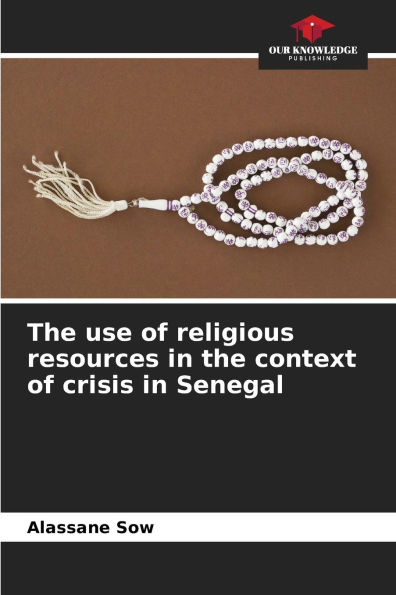
The use of religious resources in the context of crisis in Senegal
Barnes and Noble
Loading Inventory...
The use of religious resources in the context of crisis in Senegal in Chattanooga, TN
Current price: $77.00
Barnes and Noble
The use of religious resources in the context of crisis in Senegal in Chattanooga, TN
Current price: $77.00
Loading Inventory...
Size: OS
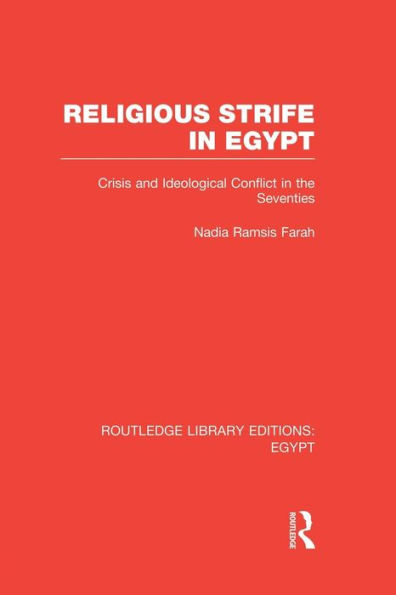
The author proposes to think about crises through the prism of religions, which constitutes an angle of approach that has so far been neglected, or even ignored, in the context of Senegal. Through qualitative empirical research whose methodology and epistemology take into account the effects of crisis on the research field and the results of the investigation, the author analyzes the different ways in which religions participate, by mobilizing all the resources at their disposal, in the crisis management process in collaboration with political and state authorities which often prove limited in the search for solutions. Substantially, it shows how Senegalese society shows itself to be resilient in times of large-scale disaster by relying on its religious roots. Tools of mediation, political power, communication and social regulation, religions in Senegal, far from being secularized as we see elsewhere, constitute a powerful instrument of security, control and influence on which we rely in moments of large-scale endogenous crises.
The author proposes to think about crises through the prism of religions, which constitutes an angle of approach that has so far been neglected, or even ignored, in the context of Senegal. Through qualitative empirical research whose methodology and epistemology take into account the effects of crisis on the research field and the results of the investigation, the author analyzes the different ways in which religions participate, by mobilizing all the resources at their disposal, in the crisis management process in collaboration with political and state authorities which often prove limited in the search for solutions. Substantially, it shows how Senegalese society shows itself to be resilient in times of large-scale disaster by relying on its religious roots. Tools of mediation, political power, communication and social regulation, religions in Senegal, far from being secularized as we see elsewhere, constitute a powerful instrument of security, control and influence on which we rely in moments of large-scale endogenous crises.
You May Also Like










More About Barnes and Noble at Hamilton Place
Barnes & Noble is the world’s largest retail bookseller and a leading retailer of content, digital media and educational products. Our Nook Digital business offers a lineup of NOOK® tablets and e-Readers and an expansive collection of digital reading content through the NOOK Store®. Barnes & Noble’s mission is to operate the best omni-channel specialty retail business in America, helping both our customers and booksellers reach their aspirations, while being a credit to the communities we serve.
2100 Hamilton Pl Blvd, Chattanooga, TN 37421, United States
Find Barnes and Noble at Hamilton Place in Chattanooga, TN
Visit Barnes and Noble at Hamilton Place in Chattanooga, TN
