
Home
the Trial of Edmund Fitzgerald: Eyewitness Accounts from U.S. Coast Guard Hearings
Barnes and Noble
Loading Inventory...
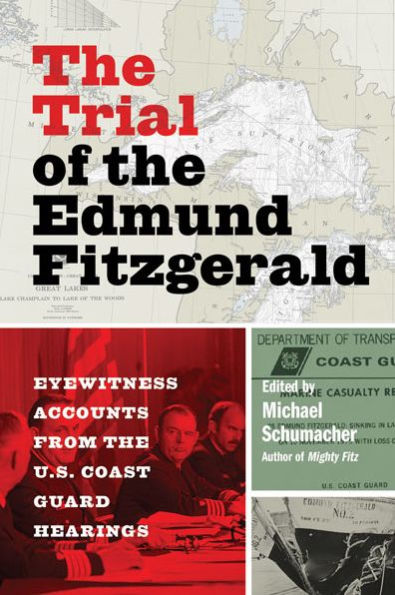
the Trial of Edmund Fitzgerald: Eyewitness Accounts from U.S. Coast Guard Hearings in Chattanooga, TN
Current price: $19.95
Barnes and Noble
the Trial of Edmund Fitzgerald: Eyewitness Accounts from U.S. Coast Guard Hearings in Chattanooga, TN
Current price: $19.95
Loading Inventory...
Size: Audiobook
A documentary drawn from testimony at the Coast Guard’s official inquiry looks anew at one of the most storied, and mysterious, shipwrecks in American history
The sinking of the
Edmund Fitzgerald
is one of the most famous shipwreck stories in Great Lakes history. It is also one of maritime lore’s great mysteries, the details of its disappearance as obscure now as on that fateful November day in 1975. The investigation into the wreck, resulting in a controversial final report, generated more than 3,000 pages of documentation, a mere fraction of which has been made available to the public. In
The Trial of the
Edmund Fitzgerald, Michael Schumacher mines this rich resource to produce the first-ever documentary account, a companion to his popular narrative
Mighty Fitz: The Sinking of the
Edmund Fitzgerald.
In the words of search and rescue personnel, ship designers and inspectors, scientists and naval engineers, former crewmen of the
Fitz
and the
Arthur M. Anderson
(the nearby ore carrier that captured the damaged vessel’s last communications),
Edmund Fitzgerald recreates the doomed ore boat’s final minutes, the suspense of the search and rescue operations, and the drama of the subsequent Coast Guard inquiry. From the
Anderson
’s captain and first mate we hear reports of the
Fitzgerald
taking on water in the fierce storm near Michipicoten and Caribou Islands, losing its radar, and stating, finally, famously, “We are holding our own.” We follow the investigation, the speculation, and expert testimony to a problematic conclusioncountered by an alternate theory that the
’s captain maintained to his dying day.
By declaring the
an official gravesite, Canada closed the wreck to further exploration. But here the exploration continues, providing a unique, and uniquely enlightening, perspective on this unforgettable episode in America’s maritime history.
The sinking of the
Edmund Fitzgerald
is one of the most famous shipwreck stories in Great Lakes history. It is also one of maritime lore’s great mysteries, the details of its disappearance as obscure now as on that fateful November day in 1975. The investigation into the wreck, resulting in a controversial final report, generated more than 3,000 pages of documentation, a mere fraction of which has been made available to the public. In
The Trial of the
Edmund Fitzgerald, Michael Schumacher mines this rich resource to produce the first-ever documentary account, a companion to his popular narrative
Mighty Fitz: The Sinking of the
Edmund Fitzgerald.
In the words of search and rescue personnel, ship designers and inspectors, scientists and naval engineers, former crewmen of the
Fitz
and the
Arthur M. Anderson
(the nearby ore carrier that captured the damaged vessel’s last communications),
Edmund Fitzgerald recreates the doomed ore boat’s final minutes, the suspense of the search and rescue operations, and the drama of the subsequent Coast Guard inquiry. From the
Anderson
’s captain and first mate we hear reports of the
Fitzgerald
taking on water in the fierce storm near Michipicoten and Caribou Islands, losing its radar, and stating, finally, famously, “We are holding our own.” We follow the investigation, the speculation, and expert testimony to a problematic conclusioncountered by an alternate theory that the
’s captain maintained to his dying day.
By declaring the
an official gravesite, Canada closed the wreck to further exploration. But here the exploration continues, providing a unique, and uniquely enlightening, perspective on this unforgettable episode in America’s maritime history.
A documentary drawn from testimony at the Coast Guard’s official inquiry looks anew at one of the most storied, and mysterious, shipwrecks in American history
The sinking of the
Edmund Fitzgerald
is one of the most famous shipwreck stories in Great Lakes history. It is also one of maritime lore’s great mysteries, the details of its disappearance as obscure now as on that fateful November day in 1975. The investigation into the wreck, resulting in a controversial final report, generated more than 3,000 pages of documentation, a mere fraction of which has been made available to the public. In
The Trial of the
Edmund Fitzgerald, Michael Schumacher mines this rich resource to produce the first-ever documentary account, a companion to his popular narrative
Mighty Fitz: The Sinking of the
Edmund Fitzgerald.
In the words of search and rescue personnel, ship designers and inspectors, scientists and naval engineers, former crewmen of the
Fitz
and the
Arthur M. Anderson
(the nearby ore carrier that captured the damaged vessel’s last communications),
Edmund Fitzgerald recreates the doomed ore boat’s final minutes, the suspense of the search and rescue operations, and the drama of the subsequent Coast Guard inquiry. From the
Anderson
’s captain and first mate we hear reports of the
Fitzgerald
taking on water in the fierce storm near Michipicoten and Caribou Islands, losing its radar, and stating, finally, famously, “We are holding our own.” We follow the investigation, the speculation, and expert testimony to a problematic conclusioncountered by an alternate theory that the
’s captain maintained to his dying day.
By declaring the
an official gravesite, Canada closed the wreck to further exploration. But here the exploration continues, providing a unique, and uniquely enlightening, perspective on this unforgettable episode in America’s maritime history.
The sinking of the
Edmund Fitzgerald
is one of the most famous shipwreck stories in Great Lakes history. It is also one of maritime lore’s great mysteries, the details of its disappearance as obscure now as on that fateful November day in 1975. The investigation into the wreck, resulting in a controversial final report, generated more than 3,000 pages of documentation, a mere fraction of which has been made available to the public. In
The Trial of the
Edmund Fitzgerald, Michael Schumacher mines this rich resource to produce the first-ever documentary account, a companion to his popular narrative
Mighty Fitz: The Sinking of the
Edmund Fitzgerald.
In the words of search and rescue personnel, ship designers and inspectors, scientists and naval engineers, former crewmen of the
Fitz
and the
Arthur M. Anderson
(the nearby ore carrier that captured the damaged vessel’s last communications),
Edmund Fitzgerald recreates the doomed ore boat’s final minutes, the suspense of the search and rescue operations, and the drama of the subsequent Coast Guard inquiry. From the
Anderson
’s captain and first mate we hear reports of the
Fitzgerald
taking on water in the fierce storm near Michipicoten and Caribou Islands, losing its radar, and stating, finally, famously, “We are holding our own.” We follow the investigation, the speculation, and expert testimony to a problematic conclusioncountered by an alternate theory that the
’s captain maintained to his dying day.
By declaring the
an official gravesite, Canada closed the wreck to further exploration. But here the exploration continues, providing a unique, and uniquely enlightening, perspective on this unforgettable episode in America’s maritime history.
You May Also Like







More About Barnes and Noble at Hamilton Place
Barnes & Noble is the world’s largest retail bookseller and a leading retailer of content, digital media and educational products. Our Nook Digital business offers a lineup of NOOK® tablets and e-Readers and an expansive collection of digital reading content through the NOOK Store®. Barnes & Noble’s mission is to operate the best omni-channel specialty retail business in America, helping both our customers and booksellers reach their aspirations, while being a credit to the communities we serve.
2100 Hamilton Pl Blvd, Chattanooga, TN 37421, United States
Find Barnes and Noble at Hamilton Place in Chattanooga, TN
Visit Barnes and Noble at Hamilton Place in Chattanooga, TN