
Home
The Three Leaps of Wang Lun: A Chinese Novel
Barnes and Noble
Loading Inventory...
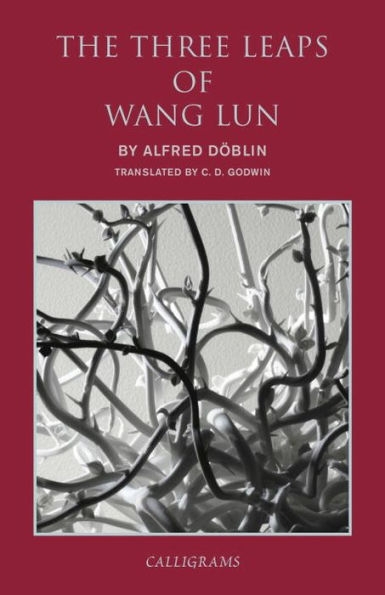
The Three Leaps of Wang Lun: A Chinese Novel in Chattanooga, TN
Current price: $19.95
Barnes and Noble
The Three Leaps of Wang Lun: A Chinese Novel in Chattanooga, TN
Current price: $19.95
Loading Inventory...
Size: Paperback
In 1915, fourteen years before
Berlin Alexanderplatz
, Alfred Döblin published his first novel, an extensively researched Chinese historical extravaganza:
The Three Leaps of Wang Lun
. Even more remarkably, given its subject matter, the book was written in Expressionist style and is now considered the first modern German novel, as well as the first Western novel to depict a China untouched by the West. It is virtually unknown in English. Based on actual accounts of a doomed rebellion during the reign of Emperor Qianlong in the late 18th century, the novel tells the story of Wang Lun, a historical martial arts master and charismatic leader of the White Lotus sect, who leads a futile revolt of the “Truly Powerless.” Densely packed cities and Tibetan wastes, political intrigue and religious yearning, imperial court life and the fate of wandering outcasts are depicted in a language of enormous vigor and matchless imagination, unfolding the theme of timidity against force, and a mystical sense of the world against the realities of power.
Berlin Alexanderplatz
, Alfred Döblin published his first novel, an extensively researched Chinese historical extravaganza:
The Three Leaps of Wang Lun
. Even more remarkably, given its subject matter, the book was written in Expressionist style and is now considered the first modern German novel, as well as the first Western novel to depict a China untouched by the West. It is virtually unknown in English. Based on actual accounts of a doomed rebellion during the reign of Emperor Qianlong in the late 18th century, the novel tells the story of Wang Lun, a historical martial arts master and charismatic leader of the White Lotus sect, who leads a futile revolt of the “Truly Powerless.” Densely packed cities and Tibetan wastes, political intrigue and religious yearning, imperial court life and the fate of wandering outcasts are depicted in a language of enormous vigor and matchless imagination, unfolding the theme of timidity against force, and a mystical sense of the world against the realities of power.
In 1915, fourteen years before
Berlin Alexanderplatz
, Alfred Döblin published his first novel, an extensively researched Chinese historical extravaganza:
The Three Leaps of Wang Lun
. Even more remarkably, given its subject matter, the book was written in Expressionist style and is now considered the first modern German novel, as well as the first Western novel to depict a China untouched by the West. It is virtually unknown in English. Based on actual accounts of a doomed rebellion during the reign of Emperor Qianlong in the late 18th century, the novel tells the story of Wang Lun, a historical martial arts master and charismatic leader of the White Lotus sect, who leads a futile revolt of the “Truly Powerless.” Densely packed cities and Tibetan wastes, political intrigue and religious yearning, imperial court life and the fate of wandering outcasts are depicted in a language of enormous vigor and matchless imagination, unfolding the theme of timidity against force, and a mystical sense of the world against the realities of power.
Berlin Alexanderplatz
, Alfred Döblin published his first novel, an extensively researched Chinese historical extravaganza:
The Three Leaps of Wang Lun
. Even more remarkably, given its subject matter, the book was written in Expressionist style and is now considered the first modern German novel, as well as the first Western novel to depict a China untouched by the West. It is virtually unknown in English. Based on actual accounts of a doomed rebellion during the reign of Emperor Qianlong in the late 18th century, the novel tells the story of Wang Lun, a historical martial arts master and charismatic leader of the White Lotus sect, who leads a futile revolt of the “Truly Powerless.” Densely packed cities and Tibetan wastes, political intrigue and religious yearning, imperial court life and the fate of wandering outcasts are depicted in a language of enormous vigor and matchless imagination, unfolding the theme of timidity against force, and a mystical sense of the world against the realities of power.
You May Also Like















More About Barnes and Noble at Hamilton Place
Barnes & Noble is the world’s largest retail bookseller and a leading retailer of content, digital media and educational products. Our Nook Digital business offers a lineup of NOOK® tablets and e-Readers and an expansive collection of digital reading content through the NOOK Store®. Barnes & Noble’s mission is to operate the best omni-channel specialty retail business in America, helping both our customers and booksellers reach their aspirations, while being a credit to the communities we serve.
2100 Hamilton Pl Blvd, Chattanooga, TN 37421, United States
Find Barnes and Noble at Hamilton Place in Chattanooga, TN
Visit Barnes and Noble at Hamilton Place in Chattanooga, TN
