
Home
The Sun Won't Come Out Tomorrow: Dark History of American Orphanhood
Barnes and Noble
Loading Inventory...
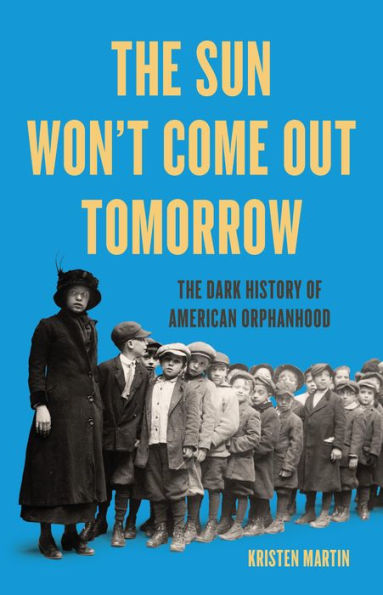
The Sun Won't Come Out Tomorrow: Dark History of American Orphanhood in Chattanooga, TN
Current price: $32.00
Barnes and Noble
The Sun Won't Come Out Tomorrow: Dark History of American Orphanhood in Chattanooga, TN
Current price: $32.00
Loading Inventory...
Size: Hardcover
The orphan story has been mythologized: Step one: While a child is still too young to form distinct memories of them, their parents die in an untimely fashion. Step two: Orphan acquires caretakers who amplify the world’s cruelty. Step three: Orphan escapes and goes on an adventure, encountering the world’s vast possibilities.
The Sun Won't Come Out Tomorrow
upends this story. Alongside powerful critiques of popular orphan narratives, from
Annie
to the
Boxcar Children
to
Party of Five,
journalist Kristen Martin explores the real history of orphanhood in the United States, from the 1800s to the present. Martin reveals the mission of religious indoctrination that was at the core of the first orphanages, the orphan trains that took poor children out West (often without a choice), and the inherent racism and classism that still underlie the United States' approach to child welfare.
Through a combination of in-depth archival research, memoir (Martin herself lost both her parents as a child), and cultural analysis,
The Sun Won't Come out Tomorrow
is a compellingly argued, compassionate book that forces us to reconsider autonomy, family, and community. Martin delivers a searing indictment of America's consistent inability to care for those who need it most.
The Sun Won't Come Out Tomorrow
upends this story. Alongside powerful critiques of popular orphan narratives, from
Annie
to the
Boxcar Children
to
Party of Five,
journalist Kristen Martin explores the real history of orphanhood in the United States, from the 1800s to the present. Martin reveals the mission of religious indoctrination that was at the core of the first orphanages, the orphan trains that took poor children out West (often without a choice), and the inherent racism and classism that still underlie the United States' approach to child welfare.
Through a combination of in-depth archival research, memoir (Martin herself lost both her parents as a child), and cultural analysis,
The Sun Won't Come out Tomorrow
is a compellingly argued, compassionate book that forces us to reconsider autonomy, family, and community. Martin delivers a searing indictment of America's consistent inability to care for those who need it most.
The orphan story has been mythologized: Step one: While a child is still too young to form distinct memories of them, their parents die in an untimely fashion. Step two: Orphan acquires caretakers who amplify the world’s cruelty. Step three: Orphan escapes and goes on an adventure, encountering the world’s vast possibilities.
The Sun Won't Come Out Tomorrow
upends this story. Alongside powerful critiques of popular orphan narratives, from
Annie
to the
Boxcar Children
to
Party of Five,
journalist Kristen Martin explores the real history of orphanhood in the United States, from the 1800s to the present. Martin reveals the mission of religious indoctrination that was at the core of the first orphanages, the orphan trains that took poor children out West (often without a choice), and the inherent racism and classism that still underlie the United States' approach to child welfare.
Through a combination of in-depth archival research, memoir (Martin herself lost both her parents as a child), and cultural analysis,
The Sun Won't Come out Tomorrow
is a compellingly argued, compassionate book that forces us to reconsider autonomy, family, and community. Martin delivers a searing indictment of America's consistent inability to care for those who need it most.
The Sun Won't Come Out Tomorrow
upends this story. Alongside powerful critiques of popular orphan narratives, from
Annie
to the
Boxcar Children
to
Party of Five,
journalist Kristen Martin explores the real history of orphanhood in the United States, from the 1800s to the present. Martin reveals the mission of religious indoctrination that was at the core of the first orphanages, the orphan trains that took poor children out West (often without a choice), and the inherent racism and classism that still underlie the United States' approach to child welfare.
Through a combination of in-depth archival research, memoir (Martin herself lost both her parents as a child), and cultural analysis,
The Sun Won't Come out Tomorrow
is a compellingly argued, compassionate book that forces us to reconsider autonomy, family, and community. Martin delivers a searing indictment of America's consistent inability to care for those who need it most.
You May Also Like
















More About Barnes and Noble at Hamilton Place
Barnes & Noble is the world’s largest retail bookseller and a leading retailer of content, digital media and educational products. Our Nook Digital business offers a lineup of NOOK® tablets and e-Readers and an expansive collection of digital reading content through the NOOK Store®. Barnes & Noble’s mission is to operate the best omni-channel specialty retail business in America, helping both our customers and booksellers reach their aspirations, while being a credit to the communities we serve.
2100 Hamilton Pl Blvd, Chattanooga, TN 37421, United States
Find Barnes and Noble at Hamilton Place in Chattanooga, TN
Visit Barnes and Noble at Hamilton Place in Chattanooga, TN
