
Home
The Struggle for the Pontic Steppe: Russo-Ottoman Wars 1768-1792
Barnes and Noble
Loading Inventory...
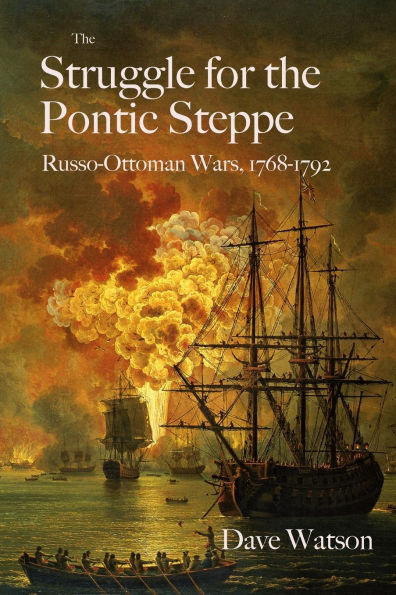
The Struggle for the Pontic Steppe: Russo-Ottoman Wars 1768-1792 in Chattanooga, TN
Current price: $13.99
Barnes and Noble
The Struggle for the Pontic Steppe: Russo-Ottoman Wars 1768-1792 in Chattanooga, TN
Current price: $13.99
Loading Inventory...
Size: OS
This book examines the conflict between the Russian and Ottoman empires for control of the Pontic Steppe region during the second half of the 18th century. The Pontic Steppe stretches from the northern shores of the Black Sea to the northern area around the Caspian Sea. The Russo-Ottoman Wars of 1768-74 and 1787-92 were fought for control of this region, occasionally spilling over to the southern Caucasus, the Balkans and the Mediterranean.
The conflict was driven by Catherine the Great's colonial policies, support for Orthodox Christians in Ottoman territories, and ambitions to secure access to warm-water ports. Her broader aims included her 'Greek Project', which envisaged the creation of new kingdoms in the Balkans. This conflict had far-reaching consequences for both empires and the broader European geopolitical landscape, which continue to this day.
This study examines how the empires organised for war; the armies, navies and the commanders that led them. And the campaigns that included the largest battles fought in 18th-century Europe.
The conflict was driven by Catherine the Great's colonial policies, support for Orthodox Christians in Ottoman territories, and ambitions to secure access to warm-water ports. Her broader aims included her 'Greek Project', which envisaged the creation of new kingdoms in the Balkans. This conflict had far-reaching consequences for both empires and the broader European geopolitical landscape, which continue to this day.
This study examines how the empires organised for war; the armies, navies and the commanders that led them. And the campaigns that included the largest battles fought in 18th-century Europe.
This book examines the conflict between the Russian and Ottoman empires for control of the Pontic Steppe region during the second half of the 18th century. The Pontic Steppe stretches from the northern shores of the Black Sea to the northern area around the Caspian Sea. The Russo-Ottoman Wars of 1768-74 and 1787-92 were fought for control of this region, occasionally spilling over to the southern Caucasus, the Balkans and the Mediterranean.
The conflict was driven by Catherine the Great's colonial policies, support for Orthodox Christians in Ottoman territories, and ambitions to secure access to warm-water ports. Her broader aims included her 'Greek Project', which envisaged the creation of new kingdoms in the Balkans. This conflict had far-reaching consequences for both empires and the broader European geopolitical landscape, which continue to this day.
This study examines how the empires organised for war; the armies, navies and the commanders that led them. And the campaigns that included the largest battles fought in 18th-century Europe.
The conflict was driven by Catherine the Great's colonial policies, support for Orthodox Christians in Ottoman territories, and ambitions to secure access to warm-water ports. Her broader aims included her 'Greek Project', which envisaged the creation of new kingdoms in the Balkans. This conflict had far-reaching consequences for both empires and the broader European geopolitical landscape, which continue to this day.
This study examines how the empires organised for war; the armies, navies and the commanders that led them. And the campaigns that included the largest battles fought in 18th-century Europe.
You May Also Like













More About Barnes and Noble at Hamilton Place
Barnes & Noble is the world’s largest retail bookseller and a leading retailer of content, digital media and educational products. Our Nook Digital business offers a lineup of NOOK® tablets and e-Readers and an expansive collection of digital reading content through the NOOK Store®. Barnes & Noble’s mission is to operate the best omni-channel specialty retail business in America, helping both our customers and booksellers reach their aspirations, while being a credit to the communities we serve.
2100 Hamilton Pl Blvd, Chattanooga, TN 37421, United States
Find Barnes and Noble at Hamilton Place in Chattanooga, TN
Visit Barnes and Noble at Hamilton Place in Chattanooga, TN