
Home
The Sea and Medieval English Literature
Barnes and Noble
Loading Inventory...
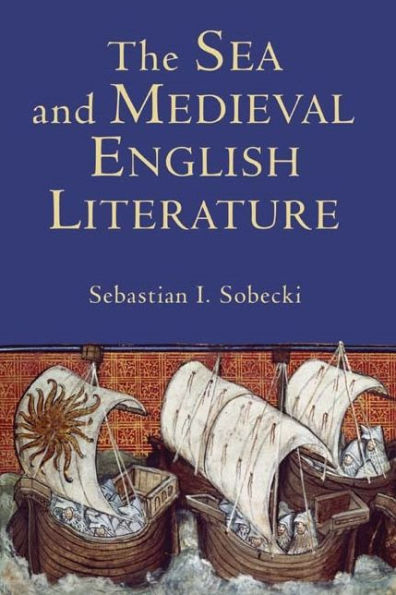
The Sea and Medieval English Literature in Chattanooga, TN
Current price: $110.00
Barnes and Noble
The Sea and Medieval English Literature in Chattanooga, TN
Current price: $110.00
Loading Inventory...
Size: OS
A fresh and invigorating survey of the sea as it appears in medieval English literature, from romance to chronicle, hagiography to autobiography.
As the first cultural history of the sea in medieval English literature, this book traces premodern myths of insularity from their Old English beginnings to Shakespeare's
Tempest
. Beginning with a discussion of biblical, classical and pre-Conquest treatments of the sea, it investigates how such works as the Anglo-Norman
Voyage of St Brendan
, the Tristan romances, the chronicles of Matthew Paris,
King Horn, Patience, The Book of Margery Kempe
and
The Libelle of Englyshe Polycye
shape insular ideologies of Englishness. Whether it is Britain's privileged place in the geography of salvation or the political fiction of the idyllic island fortress, medieval English writers' myths of the sea betray their anxieties about their own insular identity; their texts call on maritime motifs to define England geographically and culturally against the presence of the sea. New insights from a range of fields, including jurisprudence, theology, the history of cartography and anthropology, are used to provide fresh readings of a wide range of both insular and continental writings.
As the first cultural history of the sea in medieval English literature, this book traces premodern myths of insularity from their Old English beginnings to Shakespeare's
Tempest
. Beginning with a discussion of biblical, classical and pre-Conquest treatments of the sea, it investigates how such works as the Anglo-Norman
Voyage of St Brendan
, the Tristan romances, the chronicles of Matthew Paris,
King Horn, Patience, The Book of Margery Kempe
and
The Libelle of Englyshe Polycye
shape insular ideologies of Englishness. Whether it is Britain's privileged place in the geography of salvation or the political fiction of the idyllic island fortress, medieval English writers' myths of the sea betray their anxieties about their own insular identity; their texts call on maritime motifs to define England geographically and culturally against the presence of the sea. New insights from a range of fields, including jurisprudence, theology, the history of cartography and anthropology, are used to provide fresh readings of a wide range of both insular and continental writings.
A fresh and invigorating survey of the sea as it appears in medieval English literature, from romance to chronicle, hagiography to autobiography.
As the first cultural history of the sea in medieval English literature, this book traces premodern myths of insularity from their Old English beginnings to Shakespeare's
Tempest
. Beginning with a discussion of biblical, classical and pre-Conquest treatments of the sea, it investigates how such works as the Anglo-Norman
Voyage of St Brendan
, the Tristan romances, the chronicles of Matthew Paris,
King Horn, Patience, The Book of Margery Kempe
and
The Libelle of Englyshe Polycye
shape insular ideologies of Englishness. Whether it is Britain's privileged place in the geography of salvation or the political fiction of the idyllic island fortress, medieval English writers' myths of the sea betray their anxieties about their own insular identity; their texts call on maritime motifs to define England geographically and culturally against the presence of the sea. New insights from a range of fields, including jurisprudence, theology, the history of cartography and anthropology, are used to provide fresh readings of a wide range of both insular and continental writings.
As the first cultural history of the sea in medieval English literature, this book traces premodern myths of insularity from their Old English beginnings to Shakespeare's
Tempest
. Beginning with a discussion of biblical, classical and pre-Conquest treatments of the sea, it investigates how such works as the Anglo-Norman
Voyage of St Brendan
, the Tristan romances, the chronicles of Matthew Paris,
King Horn, Patience, The Book of Margery Kempe
and
The Libelle of Englyshe Polycye
shape insular ideologies of Englishness. Whether it is Britain's privileged place in the geography of salvation or the political fiction of the idyllic island fortress, medieval English writers' myths of the sea betray their anxieties about their own insular identity; their texts call on maritime motifs to define England geographically and culturally against the presence of the sea. New insights from a range of fields, including jurisprudence, theology, the history of cartography and anthropology, are used to provide fresh readings of a wide range of both insular and continental writings.
You May Also Like













More About Barnes and Noble at Hamilton Place
Barnes & Noble is the world’s largest retail bookseller and a leading retailer of content, digital media and educational products. Our Nook Digital business offers a lineup of NOOK® tablets and e-Readers and an expansive collection of digital reading content through the NOOK Store®. Barnes & Noble’s mission is to operate the best omni-channel specialty retail business in America, helping both our customers and booksellers reach their aspirations, while being a credit to the communities we serve.
2100 Hamilton Pl Blvd, Chattanooga, TN 37421, United States
Find Barnes and Noble at Hamilton Place in Chattanooga, TN
Visit Barnes and Noble at Hamilton Place in Chattanooga, TN
