
Home
The Routledge Handbook of Eurolinguistics
Barnes and Noble
Loading Inventory...
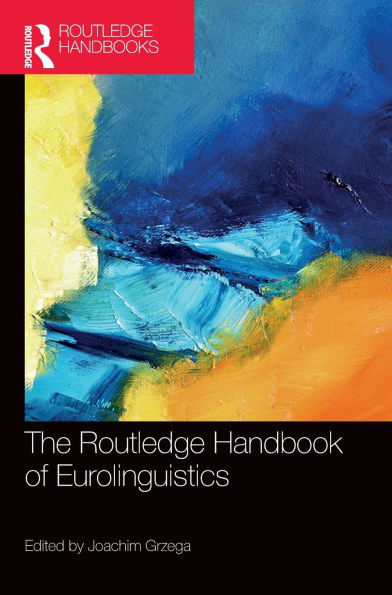
The Routledge Handbook of Eurolinguistics in Chattanooga, TN
Current price: $300.00
Barnes and Noble
The Routledge Handbook of Eurolinguistics in Chattanooga, TN
Current price: $300.00
Loading Inventory...
Size: Hardcover
The Routledge Handbook of Eurolinguistics
provides a comprehensive survey of the typical features among European languages in cultural, geographical, or political definitions. Bringing together the latest research in the field, the handbook showcases European traditions of linguistic research on European languages.
Featuring 30 chapters written by leading experts of European languages and linguistics, this book:
illustrates the major theoretical and methodological developments and institutionalizations of the field
presents typical features for the various linguistic levels of European languages (standard and non-standard)—formally and semantically
analyzes aspects of writing, phonological aspects, grammatical aspects, lexical aspects, language use, and multimodal aspects, including contributions on body language and sign languages; and
investigates typical commonalities with respect to various historical and current social issues with chapters on traditions of translation, multilingual settings in Europe, teaching foreign languages, and language policies
is essential reading for those with an interest in European languages and linguistics, language contact and change, and language typology.
provides a comprehensive survey of the typical features among European languages in cultural, geographical, or political definitions. Bringing together the latest research in the field, the handbook showcases European traditions of linguistic research on European languages.
Featuring 30 chapters written by leading experts of European languages and linguistics, this book:
illustrates the major theoretical and methodological developments and institutionalizations of the field
presents typical features for the various linguistic levels of European languages (standard and non-standard)—formally and semantically
analyzes aspects of writing, phonological aspects, grammatical aspects, lexical aspects, language use, and multimodal aspects, including contributions on body language and sign languages; and
investigates typical commonalities with respect to various historical and current social issues with chapters on traditions of translation, multilingual settings in Europe, teaching foreign languages, and language policies
is essential reading for those with an interest in European languages and linguistics, language contact and change, and language typology.
The Routledge Handbook of Eurolinguistics
provides a comprehensive survey of the typical features among European languages in cultural, geographical, or political definitions. Bringing together the latest research in the field, the handbook showcases European traditions of linguistic research on European languages.
Featuring 30 chapters written by leading experts of European languages and linguistics, this book:
illustrates the major theoretical and methodological developments and institutionalizations of the field
presents typical features for the various linguistic levels of European languages (standard and non-standard)—formally and semantically
analyzes aspects of writing, phonological aspects, grammatical aspects, lexical aspects, language use, and multimodal aspects, including contributions on body language and sign languages; and
investigates typical commonalities with respect to various historical and current social issues with chapters on traditions of translation, multilingual settings in Europe, teaching foreign languages, and language policies
is essential reading for those with an interest in European languages and linguistics, language contact and change, and language typology.
provides a comprehensive survey of the typical features among European languages in cultural, geographical, or political definitions. Bringing together the latest research in the field, the handbook showcases European traditions of linguistic research on European languages.
Featuring 30 chapters written by leading experts of European languages and linguistics, this book:
illustrates the major theoretical and methodological developments and institutionalizations of the field
presents typical features for the various linguistic levels of European languages (standard and non-standard)—formally and semantically
analyzes aspects of writing, phonological aspects, grammatical aspects, lexical aspects, language use, and multimodal aspects, including contributions on body language and sign languages; and
investigates typical commonalities with respect to various historical and current social issues with chapters on traditions of translation, multilingual settings in Europe, teaching foreign languages, and language policies
is essential reading for those with an interest in European languages and linguistics, language contact and change, and language typology.
You May Also Like

















More About Barnes and Noble at Hamilton Place
Barnes & Noble is the world’s largest retail bookseller and a leading retailer of content, digital media and educational products. Our Nook Digital business offers a lineup of NOOK® tablets and e-Readers and an expansive collection of digital reading content through the NOOK Store®. Barnes & Noble’s mission is to operate the best omni-channel specialty retail business in America, helping both our customers and booksellers reach their aspirations, while being a credit to the communities we serve.
2100 Hamilton Pl Blvd, Chattanooga, TN 37421, United States
Find Barnes and Noble at Hamilton Place in Chattanooga, TN
Visit Barnes and Noble at Hamilton Place in Chattanooga, TN
