
Home
the Real Jaws: Attacks that Inspired Movies
Barnes and Noble
Loading Inventory...
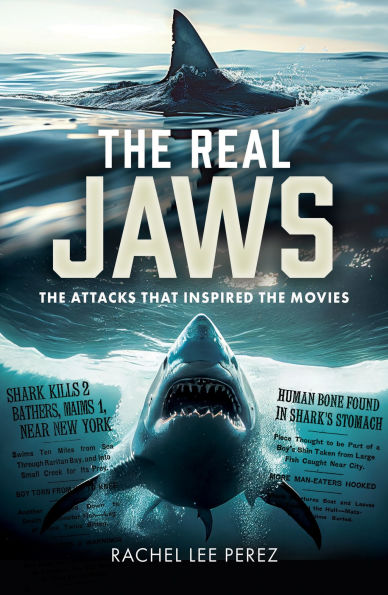
the Real Jaws: Attacks that Inspired Movies in Chattanooga, TN
Current price: $34.95
Barnes and Noble
the Real Jaws: Attacks that Inspired Movies in Chattanooga, TN
Current price: $34.95
Loading Inventory...
Size: Hardcover
Explores the 1916 New Jersey shark attacks, their impact on shark fear, and how media shaped harmful misconceptions.
In the Summer of 1916, a series of shark attacks along the New Jersey shore would send shockwaves across its otherwise peaceful beach towns. Spanning a terrifying two weeks, including the deaths of nearly five people, these attacks would officially cement an innate fear of sharks that humans have felt since the beginning of time.
Although initially kept under wraps by the tourism industry, these attacks would ultimately plaster the front pages of newspapers across the United States and even overseas. As the news spread, the line between fact and fiction blurred, reshaping our cultural and scientific understanding of the beasts of the ocean. It was the 1916 shark attacks that would establish our modernday misconstrued perception of sharks as evil, maneating monsters, and would later inspire the film
Jaws
, which would perpetuate the same harmful narrative.
The Real Jaws
takes an indepth look at each one of the attacks and how they instilled a centurieslong fear of the ocean's apex predator. It explores the various theories explaining why these attacks may have occurred and the probability of something like this happening again. And finally, it analyses the way the harmful misconceptions derived from films like
have redefined humanity’s relationship with sharks, leading humans to become the predators and sharks to become the prey.
In the Summer of 1916, a series of shark attacks along the New Jersey shore would send shockwaves across its otherwise peaceful beach towns. Spanning a terrifying two weeks, including the deaths of nearly five people, these attacks would officially cement an innate fear of sharks that humans have felt since the beginning of time.
Although initially kept under wraps by the tourism industry, these attacks would ultimately plaster the front pages of newspapers across the United States and even overseas. As the news spread, the line between fact and fiction blurred, reshaping our cultural and scientific understanding of the beasts of the ocean. It was the 1916 shark attacks that would establish our modernday misconstrued perception of sharks as evil, maneating monsters, and would later inspire the film
Jaws
, which would perpetuate the same harmful narrative.
The Real Jaws
takes an indepth look at each one of the attacks and how they instilled a centurieslong fear of the ocean's apex predator. It explores the various theories explaining why these attacks may have occurred and the probability of something like this happening again. And finally, it analyses the way the harmful misconceptions derived from films like
have redefined humanity’s relationship with sharks, leading humans to become the predators and sharks to become the prey.
Explores the 1916 New Jersey shark attacks, their impact on shark fear, and how media shaped harmful misconceptions.
In the Summer of 1916, a series of shark attacks along the New Jersey shore would send shockwaves across its otherwise peaceful beach towns. Spanning a terrifying two weeks, including the deaths of nearly five people, these attacks would officially cement an innate fear of sharks that humans have felt since the beginning of time.
Although initially kept under wraps by the tourism industry, these attacks would ultimately plaster the front pages of newspapers across the United States and even overseas. As the news spread, the line between fact and fiction blurred, reshaping our cultural and scientific understanding of the beasts of the ocean. It was the 1916 shark attacks that would establish our modernday misconstrued perception of sharks as evil, maneating monsters, and would later inspire the film
Jaws
, which would perpetuate the same harmful narrative.
The Real Jaws
takes an indepth look at each one of the attacks and how they instilled a centurieslong fear of the ocean's apex predator. It explores the various theories explaining why these attacks may have occurred and the probability of something like this happening again. And finally, it analyses the way the harmful misconceptions derived from films like
have redefined humanity’s relationship with sharks, leading humans to become the predators and sharks to become the prey.
In the Summer of 1916, a series of shark attacks along the New Jersey shore would send shockwaves across its otherwise peaceful beach towns. Spanning a terrifying two weeks, including the deaths of nearly five people, these attacks would officially cement an innate fear of sharks that humans have felt since the beginning of time.
Although initially kept under wraps by the tourism industry, these attacks would ultimately plaster the front pages of newspapers across the United States and even overseas. As the news spread, the line between fact and fiction blurred, reshaping our cultural and scientific understanding of the beasts of the ocean. It was the 1916 shark attacks that would establish our modernday misconstrued perception of sharks as evil, maneating monsters, and would later inspire the film
Jaws
, which would perpetuate the same harmful narrative.
The Real Jaws
takes an indepth look at each one of the attacks and how they instilled a centurieslong fear of the ocean's apex predator. It explores the various theories explaining why these attacks may have occurred and the probability of something like this happening again. And finally, it analyses the way the harmful misconceptions derived from films like
have redefined humanity’s relationship with sharks, leading humans to become the predators and sharks to become the prey.
You May Also Like

















More About Barnes and Noble at Hamilton Place
Barnes & Noble is the world’s largest retail bookseller and a leading retailer of content, digital media and educational products. Our Nook Digital business offers a lineup of NOOK® tablets and e-Readers and an expansive collection of digital reading content through the NOOK Store®. Barnes & Noble’s mission is to operate the best omni-channel specialty retail business in America, helping both our customers and booksellers reach their aspirations, while being a credit to the communities we serve.
2100 Hamilton Pl Blvd, Chattanooga, TN 37421, United States
Find Barnes and Noble at Hamilton Place in Chattanooga, TN
Visit Barnes and Noble at Hamilton Place in Chattanooga, TN
