
Home
the Price They Paid: Slavery, Shipwrecks, and Reparations Before Civil War
Barnes and Noble
Loading Inventory...
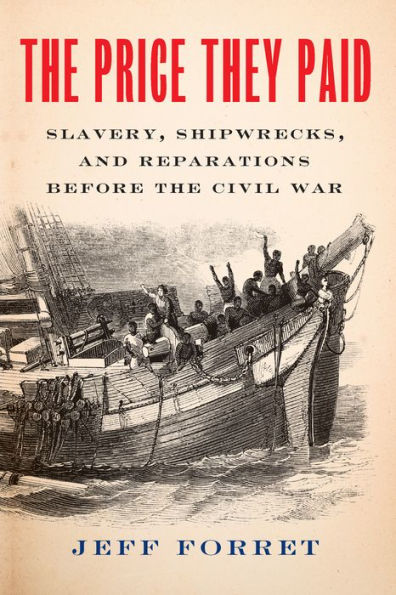
the Price They Paid: Slavery, Shipwrecks, and Reparations Before Civil War in Chattanooga, TN
Current price: $34.99
Barnes and Noble
the Price They Paid: Slavery, Shipwrecks, and Reparations Before Civil War in Chattanooga, TN
Current price: $34.99
Loading Inventory...
Size: Audiobook
A prizewinning historian uncovers one of the earliest instances of reparations in America—ironically, though perhaps not surprisingly, paid to slaveholders, not former slaves
“A spectacular achievement of historical research. Forret shows for the first time just how far the American government went to secure reparations.”
—Robert Elder‚ author of
Calhoun: American Heretic
Winner of the Carr P. Collins Award for Best Book of Nonfiction
Winner, John Lyman Book Award in North American Maritime History
In 1831, the American ship
Comet
, carrying 165 enslaved men, women, and children, crashed onto a coral reef near the shore of the Bahamas, then part of the British Empire. Shortly afterward, the Vice Admiralty Court in Nassau, over the outraged objections of the ship’s owners, set the rescued captives free. American slave owners and the companies who insured the liberated human cargo would spend years lobbying for reparations from Great Britain, not for the emancipated slaves, of course, but for the masters deprived of their human property.
In a work of profoundly relevant research and storytelling, historian and Frederick Douglass Prize–winner Jeff Forret uncovers how the
incident—as well as similar episodes that unfolded over the next decade—resulted in the British Crown making reparations payments to a U.S. government that strenuously represented slaveholder interests. Through a story that has never been fully explored,
The Price They Paid
shows how, unlike their former owners and insurers, neither the survivors of the C
omet
and other vessels, nor their descendants, have ever received reparations for the price they paid in their lives, labor, and suffering during slavery.
Any accounting of reparations today requires a fuller understanding of how the debts of slavery have been paid, and to whom.
represents a major step forward in that effort.
“A spectacular achievement of historical research. Forret shows for the first time just how far the American government went to secure reparations.”
—Robert Elder‚ author of
Calhoun: American Heretic
Winner of the Carr P. Collins Award for Best Book of Nonfiction
Winner, John Lyman Book Award in North American Maritime History
In 1831, the American ship
Comet
, carrying 165 enslaved men, women, and children, crashed onto a coral reef near the shore of the Bahamas, then part of the British Empire. Shortly afterward, the Vice Admiralty Court in Nassau, over the outraged objections of the ship’s owners, set the rescued captives free. American slave owners and the companies who insured the liberated human cargo would spend years lobbying for reparations from Great Britain, not for the emancipated slaves, of course, but for the masters deprived of their human property.
In a work of profoundly relevant research and storytelling, historian and Frederick Douglass Prize–winner Jeff Forret uncovers how the
incident—as well as similar episodes that unfolded over the next decade—resulted in the British Crown making reparations payments to a U.S. government that strenuously represented slaveholder interests. Through a story that has never been fully explored,
The Price They Paid
shows how, unlike their former owners and insurers, neither the survivors of the C
omet
and other vessels, nor their descendants, have ever received reparations for the price they paid in their lives, labor, and suffering during slavery.
Any accounting of reparations today requires a fuller understanding of how the debts of slavery have been paid, and to whom.
represents a major step forward in that effort.
A prizewinning historian uncovers one of the earliest instances of reparations in America—ironically, though perhaps not surprisingly, paid to slaveholders, not former slaves
“A spectacular achievement of historical research. Forret shows for the first time just how far the American government went to secure reparations.”
—Robert Elder‚ author of
Calhoun: American Heretic
Winner of the Carr P. Collins Award for Best Book of Nonfiction
Winner, John Lyman Book Award in North American Maritime History
In 1831, the American ship
Comet
, carrying 165 enslaved men, women, and children, crashed onto a coral reef near the shore of the Bahamas, then part of the British Empire. Shortly afterward, the Vice Admiralty Court in Nassau, over the outraged objections of the ship’s owners, set the rescued captives free. American slave owners and the companies who insured the liberated human cargo would spend years lobbying for reparations from Great Britain, not for the emancipated slaves, of course, but for the masters deprived of their human property.
In a work of profoundly relevant research and storytelling, historian and Frederick Douglass Prize–winner Jeff Forret uncovers how the
incident—as well as similar episodes that unfolded over the next decade—resulted in the British Crown making reparations payments to a U.S. government that strenuously represented slaveholder interests. Through a story that has never been fully explored,
The Price They Paid
shows how, unlike their former owners and insurers, neither the survivors of the C
omet
and other vessels, nor their descendants, have ever received reparations for the price they paid in their lives, labor, and suffering during slavery.
Any accounting of reparations today requires a fuller understanding of how the debts of slavery have been paid, and to whom.
represents a major step forward in that effort.
“A spectacular achievement of historical research. Forret shows for the first time just how far the American government went to secure reparations.”
—Robert Elder‚ author of
Calhoun: American Heretic
Winner of the Carr P. Collins Award for Best Book of Nonfiction
Winner, John Lyman Book Award in North American Maritime History
In 1831, the American ship
Comet
, carrying 165 enslaved men, women, and children, crashed onto a coral reef near the shore of the Bahamas, then part of the British Empire. Shortly afterward, the Vice Admiralty Court in Nassau, over the outraged objections of the ship’s owners, set the rescued captives free. American slave owners and the companies who insured the liberated human cargo would spend years lobbying for reparations from Great Britain, not for the emancipated slaves, of course, but for the masters deprived of their human property.
In a work of profoundly relevant research and storytelling, historian and Frederick Douglass Prize–winner Jeff Forret uncovers how the
incident—as well as similar episodes that unfolded over the next decade—resulted in the British Crown making reparations payments to a U.S. government that strenuously represented slaveholder interests. Through a story that has never been fully explored,
The Price They Paid
shows how, unlike their former owners and insurers, neither the survivors of the C
omet
and other vessels, nor their descendants, have ever received reparations for the price they paid in their lives, labor, and suffering during slavery.
Any accounting of reparations today requires a fuller understanding of how the debts of slavery have been paid, and to whom.
represents a major step forward in that effort.
You May Also Like







More About Barnes and Noble at Hamilton Place
Barnes & Noble is the world’s largest retail bookseller and a leading retailer of content, digital media and educational products. Our Nook Digital business offers a lineup of NOOK® tablets and e-Readers and an expansive collection of digital reading content through the NOOK Store®. Barnes & Noble’s mission is to operate the best omni-channel specialty retail business in America, helping both our customers and booksellers reach their aspirations, while being a credit to the communities we serve.
2100 Hamilton Pl Blvd, Chattanooga, TN 37421, United States
Find Barnes and Noble at Hamilton Place in Chattanooga, TN
Visit Barnes and Noble at Hamilton Place in Chattanooga, TN
