
Home
The Power of Names Identity and Oppression: Narratives for Equity Higher Education Student Affairs
Barnes and Noble
Loading Inventory...
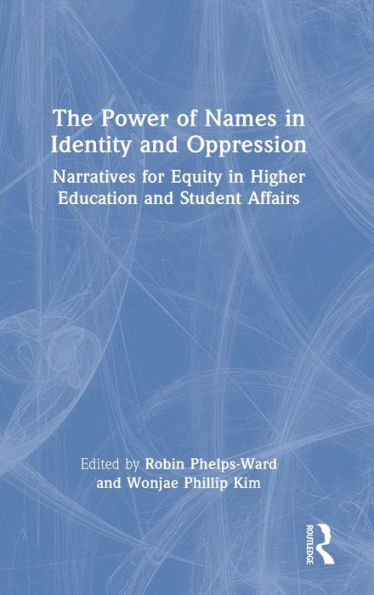
The Power of Names Identity and Oppression: Narratives for Equity Higher Education Student Affairs in Chattanooga, TN
Current price: $170.00
Barnes and Noble
The Power of Names Identity and Oppression: Narratives for Equity Higher Education Student Affairs in Chattanooga, TN
Current price: $170.00
Loading Inventory...
Size: Hardcover
Stories and personal narratives are powerful tools for engaging in self-reflection and application of critical theory in higher educational contexts. This edited text centers "name stories" as a vehicle to promote readers’ understanding of social identity, oppression, and intersectionality in a variety of educational contexts from residence halls and classrooms to faculty development workshops and executive leadership board rooms. The contributors in this volume reveal how names may serve as entry points through which to foster learning and facilitate conversations about identity, power, privilege, and systems of oppression. Through an intersectional perspective, chapter authors reveal interlocking systems of oppression in education while also providing recommendations, lessons learned, reflection questions, and calls to action for those working to transform and advance equity-minded campus climates.
This unique volume is for educators at colleges and universities doing equity work, seeking ways to initiate, facilitate, and maintain rich conversations about identity.
This unique volume is for educators at colleges and universities doing equity work, seeking ways to initiate, facilitate, and maintain rich conversations about identity.
Stories and personal narratives are powerful tools for engaging in self-reflection and application of critical theory in higher educational contexts. This edited text centers "name stories" as a vehicle to promote readers’ understanding of social identity, oppression, and intersectionality in a variety of educational contexts from residence halls and classrooms to faculty development workshops and executive leadership board rooms. The contributors in this volume reveal how names may serve as entry points through which to foster learning and facilitate conversations about identity, power, privilege, and systems of oppression. Through an intersectional perspective, chapter authors reveal interlocking systems of oppression in education while also providing recommendations, lessons learned, reflection questions, and calls to action for those working to transform and advance equity-minded campus climates.
This unique volume is for educators at colleges and universities doing equity work, seeking ways to initiate, facilitate, and maintain rich conversations about identity.
This unique volume is for educators at colleges and universities doing equity work, seeking ways to initiate, facilitate, and maintain rich conversations about identity.
You May Also Like









More About Barnes and Noble at Hamilton Place
Barnes & Noble is the world’s largest retail bookseller and a leading retailer of content, digital media and educational products. Our Nook Digital business offers a lineup of NOOK® tablets and e-Readers and an expansive collection of digital reading content through the NOOK Store®. Barnes & Noble’s mission is to operate the best omni-channel specialty retail business in America, helping both our customers and booksellers reach their aspirations, while being a credit to the communities we serve.
2100 Hamilton Pl Blvd, Chattanooga, TN 37421, United States
Find Barnes and Noble at Hamilton Place in Chattanooga, TN
Visit Barnes and Noble at Hamilton Place in Chattanooga, TN
