
Home
The Philosophy of War Films
Barnes and Noble
Loading Inventory...
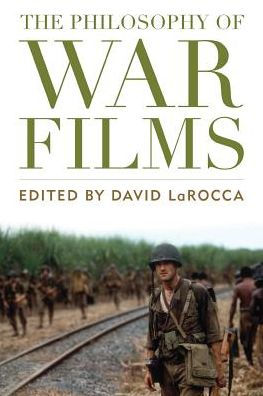
The Philosophy of War Films in Chattanooga, TN
Current price: $30.00
Barnes and Noble
The Philosophy of War Films in Chattanooga, TN
Current price: $30.00
Loading Inventory...
Size: Paperback
Wars have played a momentous role in shaping the course of human history. The everpresent specter of conflict has made it an enduring topic of interest in popular culture, and many movies, from Hollywood blockbusters to independent films, have sought to show the complexities and horrors of war onscreen.
In
The Philosophy of War Films
, David LaRocca compiles a series of essays by prominent scholars that examine the impact of representing war in film and the influence that cinematic images of battle have on human consciousness, belief, and action. The contributors explore a variety of topics, including the aesthetics of war as portrayed onscreen, the effect war has on personal identity, and the ethical problems presented by war.
Drawing upon analyses of iconic and critically acclaimed war films such as
Saving Private Ryan
(1998),
The Thin Red Line
Rescue Dawn
(2006),
Restrepo
(2010), and
Zero Dark Thirty
(2012), this volume's examination of the genre creates new ways of thinking about the philosophy of war. A fascinating look at the manner in which combat and its aftermath are depicted cinematically,
is a timely and engaging read for any philosopher, filmmaker, reader, or viewer who desires a deeper understanding of war and its representation in popular culture.
In
The Philosophy of War Films
, David LaRocca compiles a series of essays by prominent scholars that examine the impact of representing war in film and the influence that cinematic images of battle have on human consciousness, belief, and action. The contributors explore a variety of topics, including the aesthetics of war as portrayed onscreen, the effect war has on personal identity, and the ethical problems presented by war.
Drawing upon analyses of iconic and critically acclaimed war films such as
Saving Private Ryan
(1998),
The Thin Red Line
Rescue Dawn
(2006),
Restrepo
(2010), and
Zero Dark Thirty
(2012), this volume's examination of the genre creates new ways of thinking about the philosophy of war. A fascinating look at the manner in which combat and its aftermath are depicted cinematically,
is a timely and engaging read for any philosopher, filmmaker, reader, or viewer who desires a deeper understanding of war and its representation in popular culture.
Wars have played a momentous role in shaping the course of human history. The everpresent specter of conflict has made it an enduring topic of interest in popular culture, and many movies, from Hollywood blockbusters to independent films, have sought to show the complexities and horrors of war onscreen.
In
The Philosophy of War Films
, David LaRocca compiles a series of essays by prominent scholars that examine the impact of representing war in film and the influence that cinematic images of battle have on human consciousness, belief, and action. The contributors explore a variety of topics, including the aesthetics of war as portrayed onscreen, the effect war has on personal identity, and the ethical problems presented by war.
Drawing upon analyses of iconic and critically acclaimed war films such as
Saving Private Ryan
(1998),
The Thin Red Line
Rescue Dawn
(2006),
Restrepo
(2010), and
Zero Dark Thirty
(2012), this volume's examination of the genre creates new ways of thinking about the philosophy of war. A fascinating look at the manner in which combat and its aftermath are depicted cinematically,
is a timely and engaging read for any philosopher, filmmaker, reader, or viewer who desires a deeper understanding of war and its representation in popular culture.
In
The Philosophy of War Films
, David LaRocca compiles a series of essays by prominent scholars that examine the impact of representing war in film and the influence that cinematic images of battle have on human consciousness, belief, and action. The contributors explore a variety of topics, including the aesthetics of war as portrayed onscreen, the effect war has on personal identity, and the ethical problems presented by war.
Drawing upon analyses of iconic and critically acclaimed war films such as
Saving Private Ryan
(1998),
The Thin Red Line
Rescue Dawn
(2006),
Restrepo
(2010), and
Zero Dark Thirty
(2012), this volume's examination of the genre creates new ways of thinking about the philosophy of war. A fascinating look at the manner in which combat and its aftermath are depicted cinematically,
is a timely and engaging read for any philosopher, filmmaker, reader, or viewer who desires a deeper understanding of war and its representation in popular culture.
You May Also Like









More About Barnes and Noble at Hamilton Place
Barnes & Noble is the world’s largest retail bookseller and a leading retailer of content, digital media and educational products. Our Nook Digital business offers a lineup of NOOK® tablets and e-Readers and an expansive collection of digital reading content through the NOOK Store®. Barnes & Noble’s mission is to operate the best omni-channel specialty retail business in America, helping both our customers and booksellers reach their aspirations, while being a credit to the communities we serve.
2100 Hamilton Pl Blvd, Chattanooga, TN 37421, United States
Find Barnes and Noble at Hamilton Place in Chattanooga, TN
Visit Barnes and Noble at Hamilton Place in Chattanooga, TN