
Home
The Philosophy of Liberation
Barnes and Noble
Loading Inventory...
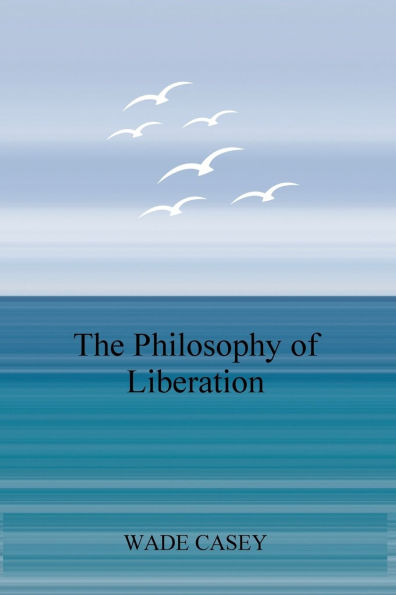
The Philosophy of Liberation in Chattanooga, TN
Current price: $32.99
Barnes and Noble
The Philosophy of Liberation in Chattanooga, TN
Current price: $32.99
Loading Inventory...
Size: OS
This dissertation investigates the philosophical underpinnings of the Bolivarian education system in Venezuela, aiming to understand its ideological roots, cultural significance, and epistemological orientation. It takes as its point of departure the foundational ideas of Simón Bolívar and Simón Rodríguez-two key figures whose visions for Latin American emancipation and education continue to shape the national identity and policies of the Bolivarian Republic. Through a close reading of official national curricula and educational documents, the research traces how these foundational visions have been institutionalized in contemporary educational practice.
The core research question driving this study is:
What is the philosophical basis of the Bolivarian education system?
In order to unpack this, the study addresses two key subquestions:
a)
How can Enrique Dussel's philosophy of liberation help us understand the cultural, political, and epistemological orientation of the Bolivarian education system?
b)
What philosophical possibilities does the Bolivarian education system suggest for the philosophy of critical pedagogy?
To explore these questions, the study employs a philosophical analysis grounded in the
coloniality of power
framework (as articulated by Aníbal Quijano and Immanuel Wallerstein) and
Enrique Dussel's philosophy of liberation
. This dual framework allows for a critical examination of how colonial patterns of knowledge, power, and subjectivity continue to operate within and against the structures of postcolonial Latin American states.
Dussel's philosophy provides a key theoretical lens through which to understand how the Bolivarian education model attempts to resist epistemological colonialism by centering the historical and cultural perspectives of the oppressed. His work calls for a "transmodern" approach-an ethical and philosophical rupture with Eurocentric modernity that opens space for marginalized voices and knowledges.
The findings of this dissertation suggest that the Bolivarian education system is not merely a political project but a deeply philosophical one. It enacts a decolonial vision of education rooted in liberation, collective identity, and cultural sovereignty. This vision challenges traditional Western frameworks of critical pedagogy by offering a lived, contextually grounded alternative that prioritizes the epistemologies of the Global South.
Ultimately, the research contributes to broader discourses in critical pedagogy, decolonial theory, and political philosophy, offering new insights into how national education systems can be reimagined through a liberatory and ethical framework. It emphasizes that education, when rooted in historical consciousness and ethical responsibility, can serve as a powerful tool for collective emancipation and social transformation, ....
The core research question driving this study is:
What is the philosophical basis of the Bolivarian education system?
In order to unpack this, the study addresses two key subquestions:
a)
How can Enrique Dussel's philosophy of liberation help us understand the cultural, political, and epistemological orientation of the Bolivarian education system?
b)
What philosophical possibilities does the Bolivarian education system suggest for the philosophy of critical pedagogy?
To explore these questions, the study employs a philosophical analysis grounded in the
coloniality of power
framework (as articulated by Aníbal Quijano and Immanuel Wallerstein) and
Enrique Dussel's philosophy of liberation
. This dual framework allows for a critical examination of how colonial patterns of knowledge, power, and subjectivity continue to operate within and against the structures of postcolonial Latin American states.
Dussel's philosophy provides a key theoretical lens through which to understand how the Bolivarian education model attempts to resist epistemological colonialism by centering the historical and cultural perspectives of the oppressed. His work calls for a "transmodern" approach-an ethical and philosophical rupture with Eurocentric modernity that opens space for marginalized voices and knowledges.
The findings of this dissertation suggest that the Bolivarian education system is not merely a political project but a deeply philosophical one. It enacts a decolonial vision of education rooted in liberation, collective identity, and cultural sovereignty. This vision challenges traditional Western frameworks of critical pedagogy by offering a lived, contextually grounded alternative that prioritizes the epistemologies of the Global South.
Ultimately, the research contributes to broader discourses in critical pedagogy, decolonial theory, and political philosophy, offering new insights into how national education systems can be reimagined through a liberatory and ethical framework. It emphasizes that education, when rooted in historical consciousness and ethical responsibility, can serve as a powerful tool for collective emancipation and social transformation, ....
This dissertation investigates the philosophical underpinnings of the Bolivarian education system in Venezuela, aiming to understand its ideological roots, cultural significance, and epistemological orientation. It takes as its point of departure the foundational ideas of Simón Bolívar and Simón Rodríguez-two key figures whose visions for Latin American emancipation and education continue to shape the national identity and policies of the Bolivarian Republic. Through a close reading of official national curricula and educational documents, the research traces how these foundational visions have been institutionalized in contemporary educational practice.
The core research question driving this study is:
What is the philosophical basis of the Bolivarian education system?
In order to unpack this, the study addresses two key subquestions:
a)
How can Enrique Dussel's philosophy of liberation help us understand the cultural, political, and epistemological orientation of the Bolivarian education system?
b)
What philosophical possibilities does the Bolivarian education system suggest for the philosophy of critical pedagogy?
To explore these questions, the study employs a philosophical analysis grounded in the
coloniality of power
framework (as articulated by Aníbal Quijano and Immanuel Wallerstein) and
Enrique Dussel's philosophy of liberation
. This dual framework allows for a critical examination of how colonial patterns of knowledge, power, and subjectivity continue to operate within and against the structures of postcolonial Latin American states.
Dussel's philosophy provides a key theoretical lens through which to understand how the Bolivarian education model attempts to resist epistemological colonialism by centering the historical and cultural perspectives of the oppressed. His work calls for a "transmodern" approach-an ethical and philosophical rupture with Eurocentric modernity that opens space for marginalized voices and knowledges.
The findings of this dissertation suggest that the Bolivarian education system is not merely a political project but a deeply philosophical one. It enacts a decolonial vision of education rooted in liberation, collective identity, and cultural sovereignty. This vision challenges traditional Western frameworks of critical pedagogy by offering a lived, contextually grounded alternative that prioritizes the epistemologies of the Global South.
Ultimately, the research contributes to broader discourses in critical pedagogy, decolonial theory, and political philosophy, offering new insights into how national education systems can be reimagined through a liberatory and ethical framework. It emphasizes that education, when rooted in historical consciousness and ethical responsibility, can serve as a powerful tool for collective emancipation and social transformation, ....
The core research question driving this study is:
What is the philosophical basis of the Bolivarian education system?
In order to unpack this, the study addresses two key subquestions:
a)
How can Enrique Dussel's philosophy of liberation help us understand the cultural, political, and epistemological orientation of the Bolivarian education system?
b)
What philosophical possibilities does the Bolivarian education system suggest for the philosophy of critical pedagogy?
To explore these questions, the study employs a philosophical analysis grounded in the
coloniality of power
framework (as articulated by Aníbal Quijano and Immanuel Wallerstein) and
Enrique Dussel's philosophy of liberation
. This dual framework allows for a critical examination of how colonial patterns of knowledge, power, and subjectivity continue to operate within and against the structures of postcolonial Latin American states.
Dussel's philosophy provides a key theoretical lens through which to understand how the Bolivarian education model attempts to resist epistemological colonialism by centering the historical and cultural perspectives of the oppressed. His work calls for a "transmodern" approach-an ethical and philosophical rupture with Eurocentric modernity that opens space for marginalized voices and knowledges.
The findings of this dissertation suggest that the Bolivarian education system is not merely a political project but a deeply philosophical one. It enacts a decolonial vision of education rooted in liberation, collective identity, and cultural sovereignty. This vision challenges traditional Western frameworks of critical pedagogy by offering a lived, contextually grounded alternative that prioritizes the epistemologies of the Global South.
Ultimately, the research contributes to broader discourses in critical pedagogy, decolonial theory, and political philosophy, offering new insights into how national education systems can be reimagined through a liberatory and ethical framework. It emphasizes that education, when rooted in historical consciousness and ethical responsibility, can serve as a powerful tool for collective emancipation and social transformation, ....
You May Also Like










More About Barnes and Noble at Hamilton Place
Barnes & Noble is the world’s largest retail bookseller and a leading retailer of content, digital media and educational products. Our Nook Digital business offers a lineup of NOOK® tablets and e-Readers and an expansive collection of digital reading content through the NOOK Store®. Barnes & Noble’s mission is to operate the best omni-channel specialty retail business in America, helping both our customers and booksellers reach their aspirations, while being a credit to the communities we serve.
2100 Hamilton Pl Blvd, Chattanooga, TN 37421, United States
Find Barnes and Noble at Hamilton Place in Chattanooga, TN
Visit Barnes and Noble at Hamilton Place in Chattanooga, TN
