
Home
The Northern Ireland Assembly: Reputations and Realities
Barnes and Noble
Loading Inventory...
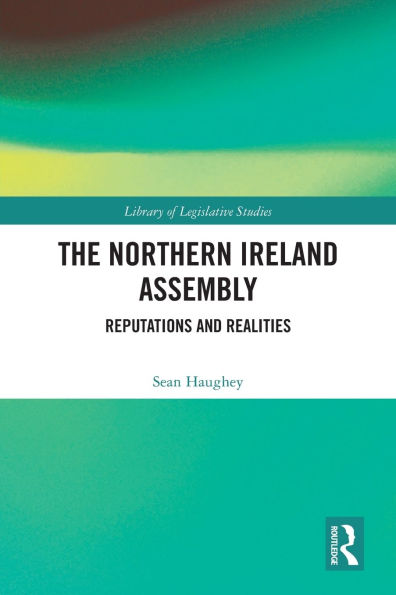
The Northern Ireland Assembly: Reputations and Realities in Chattanooga, TN
Current price: $190.00
Barnes and Noble
The Northern Ireland Assembly: Reputations and Realities in Chattanooga, TN
Current price: $190.00
Loading Inventory...
Size: Hardcover
Northern Ireland’s power- sharing Assembly is understudied in the legislative studies literature. Having been suspended (or de facto suspended) for around 40% of its existence, conversation has tended to focus more on the wider political problems in which the Assembly has been enmeshed and less on its day-to-day functions as a legislature.
This book is the first to examine how the Assembly fulfils the four core functions of a legislature: representation, linkage, scrutiny, and policy- making. Using Members of the Legislative Assembly (MLAs) as the primary unit of analysis, the book explores: who and how MLAs represent; their approach to cultivating links with constituents; their use of parliamentary scrutiny tools; and their contribution to law- making. The book grounds its analysis in original data sourced from elite interviews, surveys, parliamentary questions, legislation, and the
Official Report
of parliamentary proceedings. Readers will therefore be able to reflect on whether the Assembly’s (often poor) reputations comport with empirical realities.
This book contributes to debates in the legislative studies and consociational power- sharing literatures, and will be of interest to students and scholars of parliaments, devolution, and Northern Ireland politics.
This book is the first to examine how the Assembly fulfils the four core functions of a legislature: representation, linkage, scrutiny, and policy- making. Using Members of the Legislative Assembly (MLAs) as the primary unit of analysis, the book explores: who and how MLAs represent; their approach to cultivating links with constituents; their use of parliamentary scrutiny tools; and their contribution to law- making. The book grounds its analysis in original data sourced from elite interviews, surveys, parliamentary questions, legislation, and the
Official Report
of parliamentary proceedings. Readers will therefore be able to reflect on whether the Assembly’s (often poor) reputations comport with empirical realities.
This book contributes to debates in the legislative studies and consociational power- sharing literatures, and will be of interest to students and scholars of parliaments, devolution, and Northern Ireland politics.
Northern Ireland’s power- sharing Assembly is understudied in the legislative studies literature. Having been suspended (or de facto suspended) for around 40% of its existence, conversation has tended to focus more on the wider political problems in which the Assembly has been enmeshed and less on its day-to-day functions as a legislature.
This book is the first to examine how the Assembly fulfils the four core functions of a legislature: representation, linkage, scrutiny, and policy- making. Using Members of the Legislative Assembly (MLAs) as the primary unit of analysis, the book explores: who and how MLAs represent; their approach to cultivating links with constituents; their use of parliamentary scrutiny tools; and their contribution to law- making. The book grounds its analysis in original data sourced from elite interviews, surveys, parliamentary questions, legislation, and the
Official Report
of parliamentary proceedings. Readers will therefore be able to reflect on whether the Assembly’s (often poor) reputations comport with empirical realities.
This book contributes to debates in the legislative studies and consociational power- sharing literatures, and will be of interest to students and scholars of parliaments, devolution, and Northern Ireland politics.
This book is the first to examine how the Assembly fulfils the four core functions of a legislature: representation, linkage, scrutiny, and policy- making. Using Members of the Legislative Assembly (MLAs) as the primary unit of analysis, the book explores: who and how MLAs represent; their approach to cultivating links with constituents; their use of parliamentary scrutiny tools; and their contribution to law- making. The book grounds its analysis in original data sourced from elite interviews, surveys, parliamentary questions, legislation, and the
Official Report
of parliamentary proceedings. Readers will therefore be able to reflect on whether the Assembly’s (often poor) reputations comport with empirical realities.
This book contributes to debates in the legislative studies and consociational power- sharing literatures, and will be of interest to students and scholars of parliaments, devolution, and Northern Ireland politics.
You May Also Like












More About Barnes and Noble at Hamilton Place
Barnes & Noble is the world’s largest retail bookseller and a leading retailer of content, digital media and educational products. Our Nook Digital business offers a lineup of NOOK® tablets and e-Readers and an expansive collection of digital reading content through the NOOK Store®. Barnes & Noble’s mission is to operate the best omni-channel specialty retail business in America, helping both our customers and booksellers reach their aspirations, while being a credit to the communities we serve.
2100 Hamilton Pl Blvd, Chattanooga, TN 37421, United States
Find Barnes and Noble at Hamilton Place in Chattanooga, TN
Visit Barnes and Noble at Hamilton Place in Chattanooga, TN
