
Home
The Nearness of You
Barnes and Noble
Loading Inventory...

The Nearness of You in Chattanooga, TN
Current price: $23.99
Barnes and Noble
The Nearness of You in Chattanooga, TN
Current price: $23.99
Loading Inventory...
Size: OS
Recorded in 1989 and issued simultaneously on LP and CD, the digital version features two extra cuts and thus weighs in at about 16 minutes longer than the vinyl. The first question is why an artist of
Bley
's restlessness and vision would record a batch of tunes like these old nuggets in the first place.
's trio on this date is an estimable one: Drummer
Billy Hart
and bassist
Ron McClure
join the pianist for eight
standards
that range from the title track by
Hoagy Carmichael
to
Oscar Pettiford
's
"Blues in the Closet"
George Shearing
"Lullaby of Birdland."
has an interesting way of approaching
, which is why this
hard bop
rhythm section is key to the performances here. While he may approach
Richard Rodgers
'
"This Can't Be Love"
as a
bebop
tune with a
modal
sensibility -- he found the mode inside the tune's architecture --
's sense of phrasing falls out of all the traditional
jazz
boxes. His
style is full of angular spaces and odd half notes and his
mannerisms suggest tonal maneuvers requiring notes that go by at a clip (16th, even a 32nd in a major seventh chord run!) in counterpoint with
McClure
. Of course, this is what makes the man one of the bona fide geniuses of the music -- his manner of reworking something so it is something totally different yet still sounds like itself. In a
ballad
like the title tune,
allows
Hart
plenty of room to explore with his brushes by creating huge spaces in the melody, not merely by syncopation but by extending the chordal reach of the tune itself and allowing the tempo to hover rather than move toward any particular measure or melodic invention (of which there is plenty). Strangely, his reading of the
Carmichael
number is deeply moving, and played in a manner that suggests
Mal Waldron
's with a lighter touch and a longer reach for harmonic structures. The trio's performance of
"What a Difference a Day Makes"
seems rushed at first, as the musicians slip through the melody like a breeze through a screen door -- but it's all smoke and mirrors.
is moving the melody around to find room for
and
to lay back and coast on where he's taking the harmony, which is into a realm that suggests
Herbie Nichols
Bill Evans
. By the time
gets to
Shearing
's tune and the closer,
Billy Strayhorn
"Take the 'A' Train,"
he's convinced us all once again that there is something new in everything. While the
Strayhorn
stalwart may be one of the most recorded
tunes in history, it has never sounded like this. Before the melody falls like dominoes and like lightning from
's right hand, he moves through a series of
Monkish
augmented chords that make no apparent sense harmonically until the melody jumps right out of them. As
move to double time,
triples and they're off and running, floating back and forth between pitches and key changes, even slipping in a bit of
Ornette
's chromaticism at the break. The other cool thing is that
manages to quote, however minutely, from every other tune on the session in his solo! This date is
at his most relaxed and amiable, playing with two veterans who not only handle his sudden shifts in mood and color but, more often than not, texture them in advance of what's coming -- dig
's hammer-on run near the end of
"'A' Train"
and, as
follows him and opens the scale up, you'll get a stunning example. This is
at his level jamming best. If this had been a cutting session, I'd have hated to be the horn player. ~ Thom Jurek
Bley
's restlessness and vision would record a batch of tunes like these old nuggets in the first place.
's trio on this date is an estimable one: Drummer
Billy Hart
and bassist
Ron McClure
join the pianist for eight
standards
that range from the title track by
Hoagy Carmichael
to
Oscar Pettiford
's
"Blues in the Closet"
George Shearing
"Lullaby of Birdland."
has an interesting way of approaching
, which is why this
hard bop
rhythm section is key to the performances here. While he may approach
Richard Rodgers
'
"This Can't Be Love"
as a
bebop
tune with a
modal
sensibility -- he found the mode inside the tune's architecture --
's sense of phrasing falls out of all the traditional
jazz
boxes. His
style is full of angular spaces and odd half notes and his
mannerisms suggest tonal maneuvers requiring notes that go by at a clip (16th, even a 32nd in a major seventh chord run!) in counterpoint with
McClure
. Of course, this is what makes the man one of the bona fide geniuses of the music -- his manner of reworking something so it is something totally different yet still sounds like itself. In a
ballad
like the title tune,
allows
Hart
plenty of room to explore with his brushes by creating huge spaces in the melody, not merely by syncopation but by extending the chordal reach of the tune itself and allowing the tempo to hover rather than move toward any particular measure or melodic invention (of which there is plenty). Strangely, his reading of the
Carmichael
number is deeply moving, and played in a manner that suggests
Mal Waldron
's with a lighter touch and a longer reach for harmonic structures. The trio's performance of
"What a Difference a Day Makes"
seems rushed at first, as the musicians slip through the melody like a breeze through a screen door -- but it's all smoke and mirrors.
is moving the melody around to find room for
and
to lay back and coast on where he's taking the harmony, which is into a realm that suggests
Herbie Nichols
Bill Evans
. By the time
gets to
Shearing
's tune and the closer,
Billy Strayhorn
"Take the 'A' Train,"
he's convinced us all once again that there is something new in everything. While the
Strayhorn
stalwart may be one of the most recorded
tunes in history, it has never sounded like this. Before the melody falls like dominoes and like lightning from
's right hand, he moves through a series of
Monkish
augmented chords that make no apparent sense harmonically until the melody jumps right out of them. As
move to double time,
triples and they're off and running, floating back and forth between pitches and key changes, even slipping in a bit of
Ornette
's chromaticism at the break. The other cool thing is that
manages to quote, however minutely, from every other tune on the session in his solo! This date is
at his most relaxed and amiable, playing with two veterans who not only handle his sudden shifts in mood and color but, more often than not, texture them in advance of what's coming -- dig
's hammer-on run near the end of
"'A' Train"
and, as
follows him and opens the scale up, you'll get a stunning example. This is
at his level jamming best. If this had been a cutting session, I'd have hated to be the horn player. ~ Thom Jurek
Recorded in 1989 and issued simultaneously on LP and CD, the digital version features two extra cuts and thus weighs in at about 16 minutes longer than the vinyl. The first question is why an artist of
Bley
's restlessness and vision would record a batch of tunes like these old nuggets in the first place.
's trio on this date is an estimable one: Drummer
Billy Hart
and bassist
Ron McClure
join the pianist for eight
standards
that range from the title track by
Hoagy Carmichael
to
Oscar Pettiford
's
"Blues in the Closet"
George Shearing
"Lullaby of Birdland."
has an interesting way of approaching
, which is why this
hard bop
rhythm section is key to the performances here. While he may approach
Richard Rodgers
'
"This Can't Be Love"
as a
bebop
tune with a
modal
sensibility -- he found the mode inside the tune's architecture --
's sense of phrasing falls out of all the traditional
jazz
boxes. His
style is full of angular spaces and odd half notes and his
mannerisms suggest tonal maneuvers requiring notes that go by at a clip (16th, even a 32nd in a major seventh chord run!) in counterpoint with
McClure
. Of course, this is what makes the man one of the bona fide geniuses of the music -- his manner of reworking something so it is something totally different yet still sounds like itself. In a
ballad
like the title tune,
allows
Hart
plenty of room to explore with his brushes by creating huge spaces in the melody, not merely by syncopation but by extending the chordal reach of the tune itself and allowing the tempo to hover rather than move toward any particular measure or melodic invention (of which there is plenty). Strangely, his reading of the
Carmichael
number is deeply moving, and played in a manner that suggests
Mal Waldron
's with a lighter touch and a longer reach for harmonic structures. The trio's performance of
"What a Difference a Day Makes"
seems rushed at first, as the musicians slip through the melody like a breeze through a screen door -- but it's all smoke and mirrors.
is moving the melody around to find room for
and
to lay back and coast on where he's taking the harmony, which is into a realm that suggests
Herbie Nichols
Bill Evans
. By the time
gets to
Shearing
's tune and the closer,
Billy Strayhorn
"Take the 'A' Train,"
he's convinced us all once again that there is something new in everything. While the
Strayhorn
stalwart may be one of the most recorded
tunes in history, it has never sounded like this. Before the melody falls like dominoes and like lightning from
's right hand, he moves through a series of
Monkish
augmented chords that make no apparent sense harmonically until the melody jumps right out of them. As
move to double time,
triples and they're off and running, floating back and forth between pitches and key changes, even slipping in a bit of
Ornette
's chromaticism at the break. The other cool thing is that
manages to quote, however minutely, from every other tune on the session in his solo! This date is
at his most relaxed and amiable, playing with two veterans who not only handle his sudden shifts in mood and color but, more often than not, texture them in advance of what's coming -- dig
's hammer-on run near the end of
"'A' Train"
and, as
follows him and opens the scale up, you'll get a stunning example. This is
at his level jamming best. If this had been a cutting session, I'd have hated to be the horn player. ~ Thom Jurek
Bley
's restlessness and vision would record a batch of tunes like these old nuggets in the first place.
's trio on this date is an estimable one: Drummer
Billy Hart
and bassist
Ron McClure
join the pianist for eight
standards
that range from the title track by
Hoagy Carmichael
to
Oscar Pettiford
's
"Blues in the Closet"
George Shearing
"Lullaby of Birdland."
has an interesting way of approaching
, which is why this
hard bop
rhythm section is key to the performances here. While he may approach
Richard Rodgers
'
"This Can't Be Love"
as a
bebop
tune with a
modal
sensibility -- he found the mode inside the tune's architecture --
's sense of phrasing falls out of all the traditional
jazz
boxes. His
style is full of angular spaces and odd half notes and his
mannerisms suggest tonal maneuvers requiring notes that go by at a clip (16th, even a 32nd in a major seventh chord run!) in counterpoint with
McClure
. Of course, this is what makes the man one of the bona fide geniuses of the music -- his manner of reworking something so it is something totally different yet still sounds like itself. In a
ballad
like the title tune,
allows
Hart
plenty of room to explore with his brushes by creating huge spaces in the melody, not merely by syncopation but by extending the chordal reach of the tune itself and allowing the tempo to hover rather than move toward any particular measure or melodic invention (of which there is plenty). Strangely, his reading of the
Carmichael
number is deeply moving, and played in a manner that suggests
Mal Waldron
's with a lighter touch and a longer reach for harmonic structures. The trio's performance of
"What a Difference a Day Makes"
seems rushed at first, as the musicians slip through the melody like a breeze through a screen door -- but it's all smoke and mirrors.
is moving the melody around to find room for
and
to lay back and coast on where he's taking the harmony, which is into a realm that suggests
Herbie Nichols
Bill Evans
. By the time
gets to
Shearing
's tune and the closer,
Billy Strayhorn
"Take the 'A' Train,"
he's convinced us all once again that there is something new in everything. While the
Strayhorn
stalwart may be one of the most recorded
tunes in history, it has never sounded like this. Before the melody falls like dominoes and like lightning from
's right hand, he moves through a series of
Monkish
augmented chords that make no apparent sense harmonically until the melody jumps right out of them. As
move to double time,
triples and they're off and running, floating back and forth between pitches and key changes, even slipping in a bit of
Ornette
's chromaticism at the break. The other cool thing is that
manages to quote, however minutely, from every other tune on the session in his solo! This date is
at his most relaxed and amiable, playing with two veterans who not only handle his sudden shifts in mood and color but, more often than not, texture them in advance of what's coming -- dig
's hammer-on run near the end of
"'A' Train"
and, as
follows him and opens the scale up, you'll get a stunning example. This is
at his level jamming best. If this had been a cutting session, I'd have hated to be the horn player. ~ Thom Jurek
You May Also Like
![Loving You [Stormy Gray Vinyl] [Barnes & Noble Exclusive]](https://prodimage.images-bn.com/pimages/0880882567415_p0_v1_s600x595.jpg)
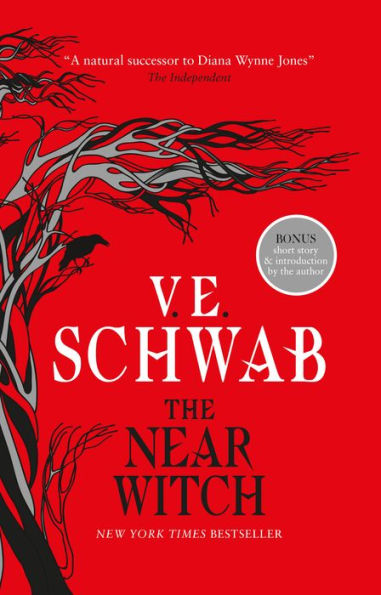
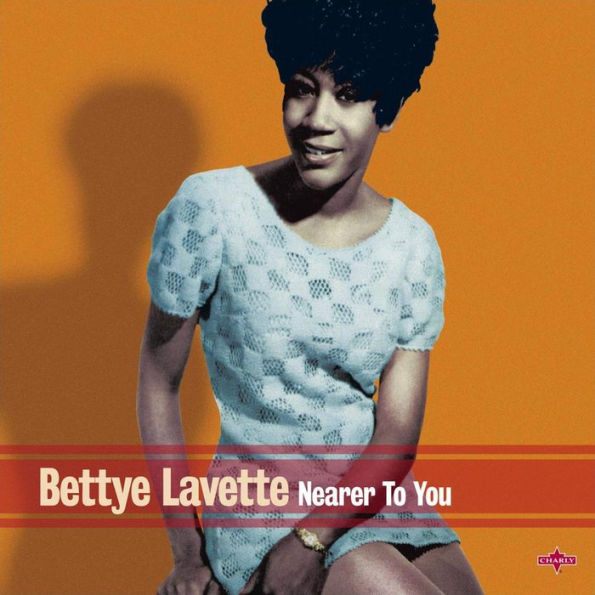

![The Near Side: DEVOTIONALS WHICH WILL DRAW YOU TO THE "NEAR SIDE" OF GOD "Draw nigh to God, and He will draw nigh to you." James 4:8 [KJV]](https://prodimage.images-bn.com/pimages/9781545674413_p0_v1_s600x595.jpg)




![I Put A Spell On You [Yellow Vinyl] [Barnes & Noble Exclusive]](https://prodimage.images-bn.com/pimages/0602458690095_p0_v2_s600x595.jpg)








More About Barnes and Noble at Hamilton Place
Barnes & Noble is the world’s largest retail bookseller and a leading retailer of content, digital media and educational products. Our Nook Digital business offers a lineup of NOOK® tablets and e-Readers and an expansive collection of digital reading content through the NOOK Store®. Barnes & Noble’s mission is to operate the best omni-channel specialty retail business in America, helping both our customers and booksellers reach their aspirations, while being a credit to the communities we serve.
2100 Hamilton Pl Blvd, Chattanooga, TN 37421, United States
Find Barnes and Noble at Hamilton Place in Chattanooga, TN
Visit Barnes and Noble at Hamilton Place in Chattanooga, TN
