
Home
the Merovingians Historiographical Tradition: From Sixth to Sixteenth Centuries
Barnes and Noble
Loading Inventory...
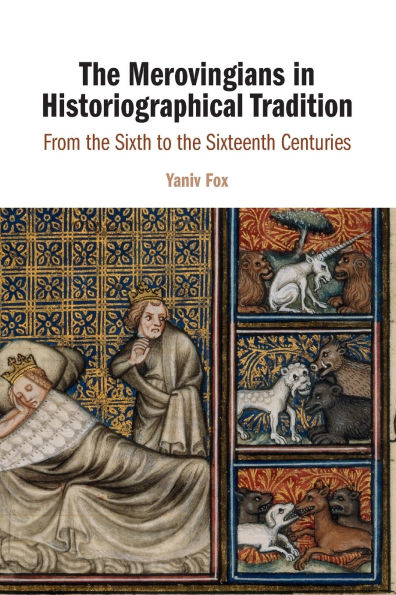
the Merovingians Historiographical Tradition: From Sixth to Sixteenth Centuries in Chattanooga, TN
Current price: $110.00
Barnes and Noble
the Merovingians Historiographical Tradition: From Sixth to Sixteenth Centuries in Chattanooga, TN
Current price: $110.00
Loading Inventory...
Size: Hardcover
The Merovingian centuries were a foundational period in the historical consciousness of western Europe. The memory of the first dynasty of Frankish kings, their origin myths, accomplishments, and failures were used by generations of chroniclers, propagandists, and historians to justify a wide range of social and political agendas. The process of curating and editing the source material gave rise to a recognizable 'Merovingian narrative' with three distinct phases: meteoric ascent, stasis, and decline. Already in the seventh-century Chronicle of Fredegar, this tripartite model was invoked by a Merovingian queen to prophesy the fate of her descendants. This expert commentary sets out to understand how the story of the Merovingians was shaped through a process of continuous historiographical adaptation. It examines authors from across a millennium of historical writing and analyzes their influences and objectives, charting the often-unexpected ways in which their narratives were received and developed.
The Merovingian centuries were a foundational period in the historical consciousness of western Europe. The memory of the first dynasty of Frankish kings, their origin myths, accomplishments, and failures were used by generations of chroniclers, propagandists, and historians to justify a wide range of social and political agendas. The process of curating and editing the source material gave rise to a recognizable 'Merovingian narrative' with three distinct phases: meteoric ascent, stasis, and decline. Already in the seventh-century Chronicle of Fredegar, this tripartite model was invoked by a Merovingian queen to prophesy the fate of her descendants. This expert commentary sets out to understand how the story of the Merovingians was shaped through a process of continuous historiographical adaptation. It examines authors from across a millennium of historical writing and analyzes their influences and objectives, charting the often-unexpected ways in which their narratives were received and developed.
You May Also Like












More About Barnes and Noble at Hamilton Place
Barnes & Noble is the world’s largest retail bookseller and a leading retailer of content, digital media and educational products. Our Nook Digital business offers a lineup of NOOK® tablets and e-Readers and an expansive collection of digital reading content through the NOOK Store®. Barnes & Noble’s mission is to operate the best omni-channel specialty retail business in America, helping both our customers and booksellers reach their aspirations, while being a credit to the communities we serve.
2100 Hamilton Pl Blvd, Chattanooga, TN 37421, United States
Find Barnes and Noble at Hamilton Place in Chattanooga, TN
Visit Barnes and Noble at Hamilton Place in Chattanooga, TN
