
Home
The Medicalisation of Incest and Abuse: Biomedical Indigenous Perceptions Rural Bolivia
Barnes and Noble
Loading Inventory...
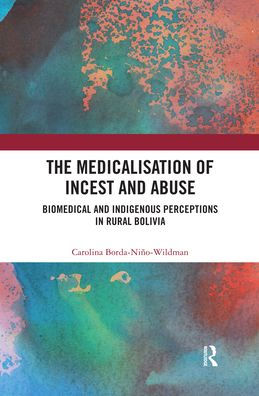
The Medicalisation of Incest and Abuse: Biomedical Indigenous Perceptions Rural Bolivia in Chattanooga, TN
Current price: $210.00
Barnes and Noble
The Medicalisation of Incest and Abuse: Biomedical Indigenous Perceptions Rural Bolivia in Chattanooga, TN
Current price: $210.00
Loading Inventory...
Size: Hardcover
Combining biomedical, psychological, and anthropological approaches to intergenerational incestuous violence experienced by rural indigenous [and] peasant women in the Andean region, this book raises new questions surrounding humanness and the normalisation of sexual violence. Through original ethnographical research, the author analyses Andean understandings of incest, medical positivist practices, as well as the psychiatric ‘treatment’ of incestuous and gender-based violence.
The book examines the implications that psychiatric institutionalisation within the context of interethnic, gender, and class schemes, has on what it means to be human. It also draws on a theoretical framework in order to understand how discourses shape, and are simultaneously problematized by individual experiences of sexual violence and incest. Intergenerational incestuous violence against women is not necessarily an
exceptional
event
, but can be an
ordinary
process
, one where through the articulation of biomedical and indigenous medicine, as well as indigenous and mestizo forms of administration of political power,
women
as subjects can become possible
.
This book will appeal to scholars and students with an interest in gender-based violence, as well as mental-health practitioners and academics in Latin American studies, anthropology, gender studies, and sociology.
The book examines the implications that psychiatric institutionalisation within the context of interethnic, gender, and class schemes, has on what it means to be human. It also draws on a theoretical framework in order to understand how discourses shape, and are simultaneously problematized by individual experiences of sexual violence and incest. Intergenerational incestuous violence against women is not necessarily an
exceptional
event
, but can be an
ordinary
process
, one where through the articulation of biomedical and indigenous medicine, as well as indigenous and mestizo forms of administration of political power,
women
as subjects can become possible
.
This book will appeal to scholars and students with an interest in gender-based violence, as well as mental-health practitioners and academics in Latin American studies, anthropology, gender studies, and sociology.
Combining biomedical, psychological, and anthropological approaches to intergenerational incestuous violence experienced by rural indigenous [and] peasant women in the Andean region, this book raises new questions surrounding humanness and the normalisation of sexual violence. Through original ethnographical research, the author analyses Andean understandings of incest, medical positivist practices, as well as the psychiatric ‘treatment’ of incestuous and gender-based violence.
The book examines the implications that psychiatric institutionalisation within the context of interethnic, gender, and class schemes, has on what it means to be human. It also draws on a theoretical framework in order to understand how discourses shape, and are simultaneously problematized by individual experiences of sexual violence and incest. Intergenerational incestuous violence against women is not necessarily an
exceptional
event
, but can be an
ordinary
process
, one where through the articulation of biomedical and indigenous medicine, as well as indigenous and mestizo forms of administration of political power,
women
as subjects can become possible
.
This book will appeal to scholars and students with an interest in gender-based violence, as well as mental-health practitioners and academics in Latin American studies, anthropology, gender studies, and sociology.
The book examines the implications that psychiatric institutionalisation within the context of interethnic, gender, and class schemes, has on what it means to be human. It also draws on a theoretical framework in order to understand how discourses shape, and are simultaneously problematized by individual experiences of sexual violence and incest. Intergenerational incestuous violence against women is not necessarily an
exceptional
event
, but can be an
ordinary
process
, one where through the articulation of biomedical and indigenous medicine, as well as indigenous and mestizo forms of administration of political power,
women
as subjects can become possible
.
This book will appeal to scholars and students with an interest in gender-based violence, as well as mental-health practitioners and academics in Latin American studies, anthropology, gender studies, and sociology.
You May Also Like









More About Barnes and Noble at Hamilton Place
Barnes & Noble is the world’s largest retail bookseller and a leading retailer of content, digital media and educational products. Our Nook Digital business offers a lineup of NOOK® tablets and e-Readers and an expansive collection of digital reading content through the NOOK Store®. Barnes & Noble’s mission is to operate the best omni-channel specialty retail business in America, helping both our customers and booksellers reach their aspirations, while being a credit to the communities we serve.
2100 Hamilton Pl Blvd, Chattanooga, TN 37421, United States
Find Barnes and Noble at Hamilton Place in Chattanooga, TN
Visit Barnes and Noble at Hamilton Place in Chattanooga, TN