
Home
The Joy of Teaching Economics and Money to Children
Barnes and Noble
Loading Inventory...
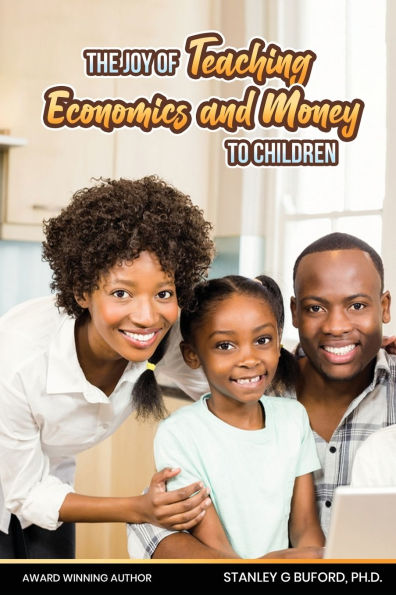
The Joy of Teaching Economics and Money to Children in Chattanooga, TN
Current price: $24.99
Barnes and Noble
The Joy of Teaching Economics and Money to Children in Chattanooga, TN
Current price: $24.99
Loading Inventory...
Size: Hardcover
As an Economics/History teacher, Stanley G. Buford knows how to reach young learners and their families. Scholars can understand economics better when we use terms they recognize from everyday experiences. For example, think of the word money. Money is what we use to buy things we want, like toys, snacks, or even books. When we go to a store, we exchange money for items. The more money we have, the more things we can buy. But if we have only a little, we have to choose carefully what to get. This is where some basic economic concepts come into play.
Another important term is goods. Goods are things we can touch and use, like clothes, food, and games. Our homes are filled with goods, and we often think about which ones we need the most. For example, on a cold day, a warm jacket might be more important than a new video game. This idea of prioritizing what we buy relates to another term called service, which is something we do for others, like getting a haircut or visiting a doctor. Understanding the difference between goods and services helps kids see how economics works in their everyday lives.
Another important term is goods. Goods are things we can touch and use, like clothes, food, and games. Our homes are filled with goods, and we often think about which ones we need the most. For example, on a cold day, a warm jacket might be more important than a new video game. This idea of prioritizing what we buy relates to another term called service, which is something we do for others, like getting a haircut or visiting a doctor. Understanding the difference between goods and services helps kids see how economics works in their everyday lives.
As an Economics/History teacher, Stanley G. Buford knows how to reach young learners and their families. Scholars can understand economics better when we use terms they recognize from everyday experiences. For example, think of the word money. Money is what we use to buy things we want, like toys, snacks, or even books. When we go to a store, we exchange money for items. The more money we have, the more things we can buy. But if we have only a little, we have to choose carefully what to get. This is where some basic economic concepts come into play.
Another important term is goods. Goods are things we can touch and use, like clothes, food, and games. Our homes are filled with goods, and we often think about which ones we need the most. For example, on a cold day, a warm jacket might be more important than a new video game. This idea of prioritizing what we buy relates to another term called service, which is something we do for others, like getting a haircut or visiting a doctor. Understanding the difference between goods and services helps kids see how economics works in their everyday lives.
Another important term is goods. Goods are things we can touch and use, like clothes, food, and games. Our homes are filled with goods, and we often think about which ones we need the most. For example, on a cold day, a warm jacket might be more important than a new video game. This idea of prioritizing what we buy relates to another term called service, which is something we do for others, like getting a haircut or visiting a doctor. Understanding the difference between goods and services helps kids see how economics works in their everyday lives.
You May Also Like













More About Barnes and Noble at Hamilton Place
Barnes & Noble is the world’s largest retail bookseller and a leading retailer of content, digital media and educational products. Our Nook Digital business offers a lineup of NOOK® tablets and e-Readers and an expansive collection of digital reading content through the NOOK Store®. Barnes & Noble’s mission is to operate the best omni-channel specialty retail business in America, helping both our customers and booksellers reach their aspirations, while being a credit to the communities we serve.
2100 Hamilton Pl Blvd, Chattanooga, TN 37421, United States
Find Barnes and Noble at Hamilton Place in Chattanooga, TN
Visit Barnes and Noble at Hamilton Place in Chattanooga, TN
