
Home
The Islamic Presence in al-Qasr (Alc�cer do Sal)
Barnes and Noble
Loading Inventory...
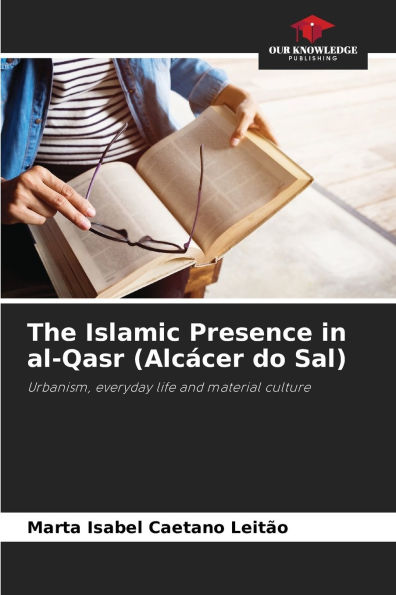
The Islamic Presence in al-Qasr (Alc�cer do Sal) in Chattanooga, TN
Current price: $37.00
Barnes and Noble
The Islamic Presence in al-Qasr (Alc�cer do Sal) in Chattanooga, TN
Current price: $37.00
Loading Inventory...
Size: OS
This work, divided into two volumes, is the result of two years of research into the Muslim past in the city of Alcácer do Sal. Based on documentary sources and archaeological remains, the author explains the city's defensive system and town planning from the 9th to the 13th century. The first chapter is the methodological contextualisation, where the objectives and methods that guided the research are discussed. In the second chapter, the territory is analysed in order to understand the factors that allowed human occupation to continue and, at the same time, conditioned the model of settlement and adaptation in the area. The third chapter makes a detailed analysis of the walls and towers that make up the fortification, followed by a description of the constructive devices and, subsequently, their interpretation, chronological attribution and parallels with other military structures in al-Andalus. A closer look at the urban space is made in the fourth chapter and, finally, in the last, a study is made of the remains that have made it possible to date housing areas, with a view to their insertion in the urban space.
This work, divided into two volumes, is the result of two years of research into the Muslim past in the city of Alcácer do Sal. Based on documentary sources and archaeological remains, the author explains the city's defensive system and town planning from the 9th to the 13th century. The first chapter is the methodological contextualisation, where the objectives and methods that guided the research are discussed. In the second chapter, the territory is analysed in order to understand the factors that allowed human occupation to continue and, at the same time, conditioned the model of settlement and adaptation in the area. The third chapter makes a detailed analysis of the walls and towers that make up the fortification, followed by a description of the constructive devices and, subsequently, their interpretation, chronological attribution and parallels with other military structures in al-Andalus. A closer look at the urban space is made in the fourth chapter and, finally, in the last, a study is made of the remains that have made it possible to date housing areas, with a view to their insertion in the urban space.
You May Also Like














More About Barnes and Noble at Hamilton Place
Barnes & Noble is the world’s largest retail bookseller and a leading retailer of content, digital media and educational products. Our Nook Digital business offers a lineup of NOOK® tablets and e-Readers and an expansive collection of digital reading content through the NOOK Store®. Barnes & Noble’s mission is to operate the best omni-channel specialty retail business in America, helping both our customers and booksellers reach their aspirations, while being a credit to the communities we serve.
2100 Hamilton Pl Blvd, Chattanooga, TN 37421, United States
Find Barnes and Noble at Hamilton Place in Chattanooga, TN
Visit Barnes and Noble at Hamilton Place in Chattanooga, TN
