
Home
The «Imago Dei» as the »Imago Trinitatis»: Juergen Moltmann's Doctrine of the Image of God
Barnes and Noble
Loading Inventory...
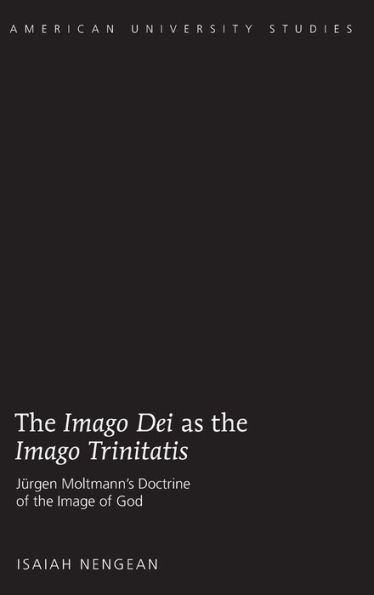
The «Imago Dei» as the »Imago Trinitatis»: Juergen Moltmann's Doctrine of the Image of God in Chattanooga, TN
Current price: $105.30
Barnes and Noble
The «Imago Dei» as the »Imago Trinitatis»: Juergen Moltmann's Doctrine of the Image of God in Chattanooga, TN
Current price: $105.30
Loading Inventory...
Size: OS
Jürgen Moltmann’s Doctrine of the Image of God examines the doctrine of the Image of God in the interpretation of contemporary theologian Jürgen Moltmann. A Reformed theologian from Germany, Moltmann espouses the doctrine in a way that creates a blurring of the Creator-creation distinction. This work identifies the problem with Moltmann’s formulation of the doctrine of the image of God as stemming from Moltmann’s rejection of classical theism or monotheism. He replaces it with the notion of transcendental immanence, together with Trinitarian pantheism, accentuated by means of Hegelian dialectics in alignment with Eastern Orthodox perspectives of the Trinity. Moltmann, therefore, makes the Trinity the foundation of all theologies, and, accordingly, understands the
Imago Dei
as the
Imago Trinitatis
. As a result, Moltmann blurs the Creator-creation distinction.
According to the Scriptures however, the Image of God denotes elements of similarity between the divine and human beings. The Image of God is first allocated in an individual and by extension includes the entire global community. In addition, the biblical idea of Christ as the true image, the soteriological understanding of believers as beings in union with Christ, and the theological idea of covenant all express similar thoughts. Within this outlook, human beings reflect the divine without the divine needing to be joined to human beings.
Imago Dei
as the
Imago Trinitatis
. As a result, Moltmann blurs the Creator-creation distinction.
According to the Scriptures however, the Image of God denotes elements of similarity between the divine and human beings. The Image of God is first allocated in an individual and by extension includes the entire global community. In addition, the biblical idea of Christ as the true image, the soteriological understanding of believers as beings in union with Christ, and the theological idea of covenant all express similar thoughts. Within this outlook, human beings reflect the divine without the divine needing to be joined to human beings.
Jürgen Moltmann’s Doctrine of the Image of God examines the doctrine of the Image of God in the interpretation of contemporary theologian Jürgen Moltmann. A Reformed theologian from Germany, Moltmann espouses the doctrine in a way that creates a blurring of the Creator-creation distinction. This work identifies the problem with Moltmann’s formulation of the doctrine of the image of God as stemming from Moltmann’s rejection of classical theism or monotheism. He replaces it with the notion of transcendental immanence, together with Trinitarian pantheism, accentuated by means of Hegelian dialectics in alignment with Eastern Orthodox perspectives of the Trinity. Moltmann, therefore, makes the Trinity the foundation of all theologies, and, accordingly, understands the
Imago Dei
as the
Imago Trinitatis
. As a result, Moltmann blurs the Creator-creation distinction.
According to the Scriptures however, the Image of God denotes elements of similarity between the divine and human beings. The Image of God is first allocated in an individual and by extension includes the entire global community. In addition, the biblical idea of Christ as the true image, the soteriological understanding of believers as beings in union with Christ, and the theological idea of covenant all express similar thoughts. Within this outlook, human beings reflect the divine without the divine needing to be joined to human beings.
Imago Dei
as the
Imago Trinitatis
. As a result, Moltmann blurs the Creator-creation distinction.
According to the Scriptures however, the Image of God denotes elements of similarity between the divine and human beings. The Image of God is first allocated in an individual and by extension includes the entire global community. In addition, the biblical idea of Christ as the true image, the soteriological understanding of believers as beings in union with Christ, and the theological idea of covenant all express similar thoughts. Within this outlook, human beings reflect the divine without the divine needing to be joined to human beings.
You May Also Like















More About Barnes and Noble at Hamilton Place
Barnes & Noble is the world’s largest retail bookseller and a leading retailer of content, digital media and educational products. Our Nook Digital business offers a lineup of NOOK® tablets and e-Readers and an expansive collection of digital reading content through the NOOK Store®. Barnes & Noble’s mission is to operate the best omni-channel specialty retail business in America, helping both our customers and booksellers reach their aspirations, while being a credit to the communities we serve.
2100 Hamilton Pl Blvd, Chattanooga, TN 37421, United States
Find Barnes and Noble at Hamilton Place in Chattanooga, TN
Visit Barnes and Noble at Hamilton Place in Chattanooga, TN
