
Home
The Idea of Rome Late Antiquity: From Eternal City to Imagined Utopia
Barnes and Noble
Loading Inventory...
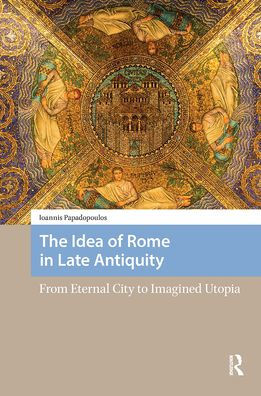
The Idea of Rome Late Antiquity: From Eternal City to Imagined Utopia in Chattanooga, TN
Current price: $140.00
Barnes and Noble
The Idea of Rome Late Antiquity: From Eternal City to Imagined Utopia in Chattanooga, TN
Current price: $140.00
Loading Inventory...
Size: Hardcover
This book approaches the manifestation and evolution of the idea of Rome as an expression of Roman patriotism and as an (urban) archetype of utopia in late Roman thought in a period extending from AD 357 to 417. Within this period of about a human lifetime, the concepts of Rome and
Romanitas
were reshaped and used for various ideological causes. This monograph unfolds through a selection of sources that represent the patterns and diversity of this ideological process. The theme of Rome as a personified and anthropomorphic figure and as an epitomized notion 'applied' on the urban landscape would become part of the identity of the Romans of Rome highlighting a sense of cultural uniqueness in an era when their city’s privileged status was challenged. Towards the end of the chronological limits set in this thesis various versions of
would emerge indicating new physical and spiritual potentials.
Romanitas
were reshaped and used for various ideological causes. This monograph unfolds through a selection of sources that represent the patterns and diversity of this ideological process. The theme of Rome as a personified and anthropomorphic figure and as an epitomized notion 'applied' on the urban landscape would become part of the identity of the Romans of Rome highlighting a sense of cultural uniqueness in an era when their city’s privileged status was challenged. Towards the end of the chronological limits set in this thesis various versions of
would emerge indicating new physical and spiritual potentials.
This book approaches the manifestation and evolution of the idea of Rome as an expression of Roman patriotism and as an (urban) archetype of utopia in late Roman thought in a period extending from AD 357 to 417. Within this period of about a human lifetime, the concepts of Rome and
Romanitas
were reshaped and used for various ideological causes. This monograph unfolds through a selection of sources that represent the patterns and diversity of this ideological process. The theme of Rome as a personified and anthropomorphic figure and as an epitomized notion 'applied' on the urban landscape would become part of the identity of the Romans of Rome highlighting a sense of cultural uniqueness in an era when their city’s privileged status was challenged. Towards the end of the chronological limits set in this thesis various versions of
would emerge indicating new physical and spiritual potentials.
Romanitas
were reshaped and used for various ideological causes. This monograph unfolds through a selection of sources that represent the patterns and diversity of this ideological process. The theme of Rome as a personified and anthropomorphic figure and as an epitomized notion 'applied' on the urban landscape would become part of the identity of the Romans of Rome highlighting a sense of cultural uniqueness in an era when their city’s privileged status was challenged. Towards the end of the chronological limits set in this thesis various versions of
would emerge indicating new physical and spiritual potentials.
You May Also Like










More About Barnes and Noble at Hamilton Place
Barnes & Noble is the world’s largest retail bookseller and a leading retailer of content, digital media and educational products. Our Nook Digital business offers a lineup of NOOK® tablets and e-Readers and an expansive collection of digital reading content through the NOOK Store®. Barnes & Noble’s mission is to operate the best omni-channel specialty retail business in America, helping both our customers and booksellers reach their aspirations, while being a credit to the communities we serve.
2100 Hamilton Pl Blvd, Chattanooga, TN 37421, United States
Find Barnes and Noble at Hamilton Place in Chattanooga, TN
Visit Barnes and Noble at Hamilton Place in Chattanooga, TN
