
Home
the Human and Machine Literature Culture: Cultures of Automation
Barnes and Noble
Loading Inventory...
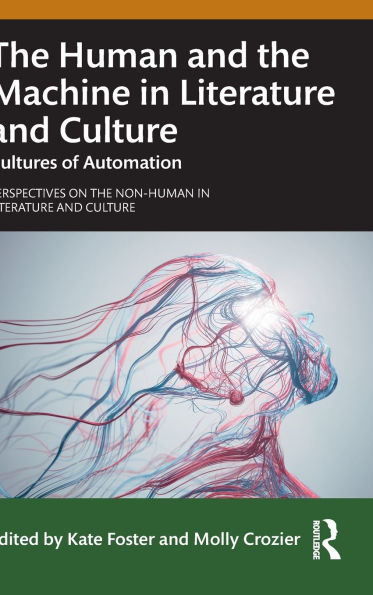
the Human and Machine Literature Culture: Cultures of Automation in Chattanooga, TN
Current price: $190.00
Barnes and Noble
the Human and Machine Literature Culture: Cultures of Automation in Chattanooga, TN
Current price: $190.00
Loading Inventory...
Size: Hardcover
Automation is everywhere: in the supermarket, in home appliances, and on our commutes. While we worry about what automation means for human autonomy now, human societies have long wondered about their replacement by machines.
The Human and the Machine in Literature and Culture
explores the pervasive – and long-standing – influence of automation on humanity by dismantling the prevalent future-oriented perspective of many automation debates. This collection examines how literature has conceptualized automation over centuries, from utopian visions of a world liberated from work and domestic labour to dystopian futures in which humans are surplus to requirements. We set out social and industrial developments which feed into discourses of automation and its mediation in literary cultures. By bringing together theoretical approaches to real-world automation with readings of its literary interpretations, this volume demonstrates literature’s role as a space for hypothesizing alternate realities, making clear literature’s propensity to inform our attitudes to real-world phenomena.
The Human and the Machine in Literature and Culture
explores the pervasive – and long-standing – influence of automation on humanity by dismantling the prevalent future-oriented perspective of many automation debates. This collection examines how literature has conceptualized automation over centuries, from utopian visions of a world liberated from work and domestic labour to dystopian futures in which humans are surplus to requirements. We set out social and industrial developments which feed into discourses of automation and its mediation in literary cultures. By bringing together theoretical approaches to real-world automation with readings of its literary interpretations, this volume demonstrates literature’s role as a space for hypothesizing alternate realities, making clear literature’s propensity to inform our attitudes to real-world phenomena.
Automation is everywhere: in the supermarket, in home appliances, and on our commutes. While we worry about what automation means for human autonomy now, human societies have long wondered about their replacement by machines.
The Human and the Machine in Literature and Culture
explores the pervasive – and long-standing – influence of automation on humanity by dismantling the prevalent future-oriented perspective of many automation debates. This collection examines how literature has conceptualized automation over centuries, from utopian visions of a world liberated from work and domestic labour to dystopian futures in which humans are surplus to requirements. We set out social and industrial developments which feed into discourses of automation and its mediation in literary cultures. By bringing together theoretical approaches to real-world automation with readings of its literary interpretations, this volume demonstrates literature’s role as a space for hypothesizing alternate realities, making clear literature’s propensity to inform our attitudes to real-world phenomena.
The Human and the Machine in Literature and Culture
explores the pervasive – and long-standing – influence of automation on humanity by dismantling the prevalent future-oriented perspective of many automation debates. This collection examines how literature has conceptualized automation over centuries, from utopian visions of a world liberated from work and domestic labour to dystopian futures in which humans are surplus to requirements. We set out social and industrial developments which feed into discourses of automation and its mediation in literary cultures. By bringing together theoretical approaches to real-world automation with readings of its literary interpretations, this volume demonstrates literature’s role as a space for hypothesizing alternate realities, making clear literature’s propensity to inform our attitudes to real-world phenomena.
You May Also Like











More About Barnes and Noble at Hamilton Place
Barnes & Noble is the world’s largest retail bookseller and a leading retailer of content, digital media and educational products. Our Nook Digital business offers a lineup of NOOK® tablets and e-Readers and an expansive collection of digital reading content through the NOOK Store®. Barnes & Noble’s mission is to operate the best omni-channel specialty retail business in America, helping both our customers and booksellers reach their aspirations, while being a credit to the communities we serve.
2100 Hamilton Pl Blvd, Chattanooga, TN 37421, United States
Find Barnes and Noble at Hamilton Place in Chattanooga, TN
Visit Barnes and Noble at Hamilton Place in Chattanooga, TN
