
Home
The Hindu Hurt: Story of Hindutva
Barnes and Noble
Loading Inventory...
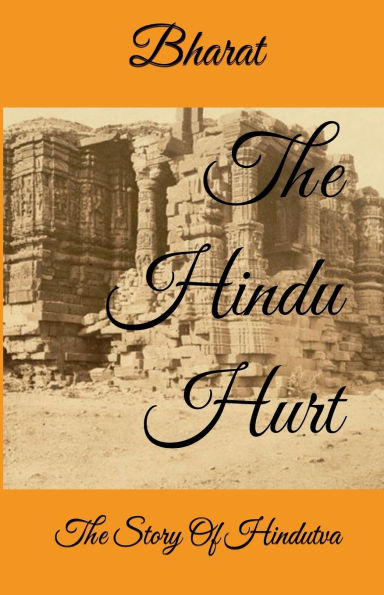
The Hindu Hurt: Story of Hindutva in Chattanooga, TN
Current price: $12.99
Barnes and Noble
The Hindu Hurt: Story of Hindutva in Chattanooga, TN
Current price: $12.99
Loading Inventory...
Size: Paperback
The ascent of the Bhartiya Janata Party (BJP) in Indian politics and its successive victories in 3 general elections (2014, 2019 and 2024) has brought into spotlight its ideology of Hindutva or Hindu Nationalism. However, the impression of Hindutva that has gained currency in the West and to some extent in India as well is a distorted one; a canard spread by its adversaries who have deliberately misrepresented its concepts and exaggerated minor criminal aberrations of society to project them as examples of religious polarization. Additionally, fringe elements have been projected as the prototype to demonize the movement.as a supremacist violent hate rant- a false patois that calls out for correction. This book attempts to do so in a narrative that is spread out over 22 chapters and divided into 3 parts (over 150 references).
The second millennium was a devastating period for the Hindus of the Indian subcontinent. Indian history from the 7th century onwards till the twentieth century has been one long, tragic story of repeated foreign invasions, inhumane butchery of millions of innocent Hindus, senseless destruction of thousands of Hindu temples, and economic devastation that reduced one of the richest regions in the world to unimaginable penury. Islamic invaders who reached India's borders in the seventh century a.d. gave a new meaning and a new dimension to the words destruction, loot, repression, and human carnage. In the first volume of
The Story of Civilization, Our Oriental Heritage
, Will Durrant the renowned American historian concludes: "The Mohammedan Conquest of India is probably the bloodiest story in history."
The Muslim conquest of India was not an invasion in normal terms; it was a near apocalypse of unprecedented proportions that was intended to erase a civilization from earth by decimating its people, razing their temples and coercing a people into forsaking their beliefs. If ever there was a systematic attempt to annihilate a culture, a blue print for total destruction, this was it. This book traces the story of that Hindu hurt and the crisis of identity that it generated among the Hindus. It provoked the Hindus to ask themselves: Who are we? What are our values? How do we protect ourselves and our values? This jolt gave rise to the concept of
Hindvi Swarajya
, Hindutva or Hindu Nationalism.
The first part of this book documents with historical references the constellation of wounds -mass killings, destruction of temples, forced conversions, jizya tax and slavery-all of which were carried out in a systematic fashion and which constitute what I call the 'Hindu Hurt.'
It was against this background that the first stirrings of a collective identity took place. Initially this quest took the form of a military resistance represented by the Marathas, the Sikhs and the Rajputs. Later, in the early twentieth century, the Hindu ethos was given a concrete ideological framework by Vinayak Damodar Savarkar and then built upon by latter proponents namely Deendayal Upadhya and RS Golwalkar. The second part of the book deals with the intellectual arguments that form the core of Hindutva.
The Hindu hurt has not only been exceptional in the scope of its diabolicity but in the extent of its suppression. A warped agenda that gripped the country post- independence (from British Rule) ensured that the story of the Hindu hurt was kept under wraps. Historical information was distorted, dubious interpretations were invoked to justify the crimes and outright lies were pedaled to perpetuate the ignorance among present day Hindus.
This denialism persists even today in prominent mainstream Indian newspapers and in the writings of the historian Ramachandra Guha (author of
India After Gandhi
), the novelist Pankaj Mishra and the Congress politician and ex UN official Shashi Tharoor. The third part of this book counters contemporary critics.
The second millennium was a devastating period for the Hindus of the Indian subcontinent. Indian history from the 7th century onwards till the twentieth century has been one long, tragic story of repeated foreign invasions, inhumane butchery of millions of innocent Hindus, senseless destruction of thousands of Hindu temples, and economic devastation that reduced one of the richest regions in the world to unimaginable penury. Islamic invaders who reached India's borders in the seventh century a.d. gave a new meaning and a new dimension to the words destruction, loot, repression, and human carnage. In the first volume of
The Story of Civilization, Our Oriental Heritage
, Will Durrant the renowned American historian concludes: "The Mohammedan Conquest of India is probably the bloodiest story in history."
The Muslim conquest of India was not an invasion in normal terms; it was a near apocalypse of unprecedented proportions that was intended to erase a civilization from earth by decimating its people, razing their temples and coercing a people into forsaking their beliefs. If ever there was a systematic attempt to annihilate a culture, a blue print for total destruction, this was it. This book traces the story of that Hindu hurt and the crisis of identity that it generated among the Hindus. It provoked the Hindus to ask themselves: Who are we? What are our values? How do we protect ourselves and our values? This jolt gave rise to the concept of
Hindvi Swarajya
, Hindutva or Hindu Nationalism.
The first part of this book documents with historical references the constellation of wounds -mass killings, destruction of temples, forced conversions, jizya tax and slavery-all of which were carried out in a systematic fashion and which constitute what I call the 'Hindu Hurt.'
It was against this background that the first stirrings of a collective identity took place. Initially this quest took the form of a military resistance represented by the Marathas, the Sikhs and the Rajputs. Later, in the early twentieth century, the Hindu ethos was given a concrete ideological framework by Vinayak Damodar Savarkar and then built upon by latter proponents namely Deendayal Upadhya and RS Golwalkar. The second part of the book deals with the intellectual arguments that form the core of Hindutva.
The Hindu hurt has not only been exceptional in the scope of its diabolicity but in the extent of its suppression. A warped agenda that gripped the country post- independence (from British Rule) ensured that the story of the Hindu hurt was kept under wraps. Historical information was distorted, dubious interpretations were invoked to justify the crimes and outright lies were pedaled to perpetuate the ignorance among present day Hindus.
This denialism persists even today in prominent mainstream Indian newspapers and in the writings of the historian Ramachandra Guha (author of
India After Gandhi
), the novelist Pankaj Mishra and the Congress politician and ex UN official Shashi Tharoor. The third part of this book counters contemporary critics.
The ascent of the Bhartiya Janata Party (BJP) in Indian politics and its successive victories in 3 general elections (2014, 2019 and 2024) has brought into spotlight its ideology of Hindutva or Hindu Nationalism. However, the impression of Hindutva that has gained currency in the West and to some extent in India as well is a distorted one; a canard spread by its adversaries who have deliberately misrepresented its concepts and exaggerated minor criminal aberrations of society to project them as examples of religious polarization. Additionally, fringe elements have been projected as the prototype to demonize the movement.as a supremacist violent hate rant- a false patois that calls out for correction. This book attempts to do so in a narrative that is spread out over 22 chapters and divided into 3 parts (over 150 references).
The second millennium was a devastating period for the Hindus of the Indian subcontinent. Indian history from the 7th century onwards till the twentieth century has been one long, tragic story of repeated foreign invasions, inhumane butchery of millions of innocent Hindus, senseless destruction of thousands of Hindu temples, and economic devastation that reduced one of the richest regions in the world to unimaginable penury. Islamic invaders who reached India's borders in the seventh century a.d. gave a new meaning and a new dimension to the words destruction, loot, repression, and human carnage. In the first volume of
The Story of Civilization, Our Oriental Heritage
, Will Durrant the renowned American historian concludes: "The Mohammedan Conquest of India is probably the bloodiest story in history."
The Muslim conquest of India was not an invasion in normal terms; it was a near apocalypse of unprecedented proportions that was intended to erase a civilization from earth by decimating its people, razing their temples and coercing a people into forsaking their beliefs. If ever there was a systematic attempt to annihilate a culture, a blue print for total destruction, this was it. This book traces the story of that Hindu hurt and the crisis of identity that it generated among the Hindus. It provoked the Hindus to ask themselves: Who are we? What are our values? How do we protect ourselves and our values? This jolt gave rise to the concept of
Hindvi Swarajya
, Hindutva or Hindu Nationalism.
The first part of this book documents with historical references the constellation of wounds -mass killings, destruction of temples, forced conversions, jizya tax and slavery-all of which were carried out in a systematic fashion and which constitute what I call the 'Hindu Hurt.'
It was against this background that the first stirrings of a collective identity took place. Initially this quest took the form of a military resistance represented by the Marathas, the Sikhs and the Rajputs. Later, in the early twentieth century, the Hindu ethos was given a concrete ideological framework by Vinayak Damodar Savarkar and then built upon by latter proponents namely Deendayal Upadhya and RS Golwalkar. The second part of the book deals with the intellectual arguments that form the core of Hindutva.
The Hindu hurt has not only been exceptional in the scope of its diabolicity but in the extent of its suppression. A warped agenda that gripped the country post- independence (from British Rule) ensured that the story of the Hindu hurt was kept under wraps. Historical information was distorted, dubious interpretations were invoked to justify the crimes and outright lies were pedaled to perpetuate the ignorance among present day Hindus.
This denialism persists even today in prominent mainstream Indian newspapers and in the writings of the historian Ramachandra Guha (author of
India After Gandhi
), the novelist Pankaj Mishra and the Congress politician and ex UN official Shashi Tharoor. The third part of this book counters contemporary critics.
The second millennium was a devastating period for the Hindus of the Indian subcontinent. Indian history from the 7th century onwards till the twentieth century has been one long, tragic story of repeated foreign invasions, inhumane butchery of millions of innocent Hindus, senseless destruction of thousands of Hindu temples, and economic devastation that reduced one of the richest regions in the world to unimaginable penury. Islamic invaders who reached India's borders in the seventh century a.d. gave a new meaning and a new dimension to the words destruction, loot, repression, and human carnage. In the first volume of
The Story of Civilization, Our Oriental Heritage
, Will Durrant the renowned American historian concludes: "The Mohammedan Conquest of India is probably the bloodiest story in history."
The Muslim conquest of India was not an invasion in normal terms; it was a near apocalypse of unprecedented proportions that was intended to erase a civilization from earth by decimating its people, razing their temples and coercing a people into forsaking their beliefs. If ever there was a systematic attempt to annihilate a culture, a blue print for total destruction, this was it. This book traces the story of that Hindu hurt and the crisis of identity that it generated among the Hindus. It provoked the Hindus to ask themselves: Who are we? What are our values? How do we protect ourselves and our values? This jolt gave rise to the concept of
Hindvi Swarajya
, Hindutva or Hindu Nationalism.
The first part of this book documents with historical references the constellation of wounds -mass killings, destruction of temples, forced conversions, jizya tax and slavery-all of which were carried out in a systematic fashion and which constitute what I call the 'Hindu Hurt.'
It was against this background that the first stirrings of a collective identity took place. Initially this quest took the form of a military resistance represented by the Marathas, the Sikhs and the Rajputs. Later, in the early twentieth century, the Hindu ethos was given a concrete ideological framework by Vinayak Damodar Savarkar and then built upon by latter proponents namely Deendayal Upadhya and RS Golwalkar. The second part of the book deals with the intellectual arguments that form the core of Hindutva.
The Hindu hurt has not only been exceptional in the scope of its diabolicity but in the extent of its suppression. A warped agenda that gripped the country post- independence (from British Rule) ensured that the story of the Hindu hurt was kept under wraps. Historical information was distorted, dubious interpretations were invoked to justify the crimes and outright lies were pedaled to perpetuate the ignorance among present day Hindus.
This denialism persists even today in prominent mainstream Indian newspapers and in the writings of the historian Ramachandra Guha (author of
India After Gandhi
), the novelist Pankaj Mishra and the Congress politician and ex UN official Shashi Tharoor. The third part of this book counters contemporary critics.
You May Also Like











More About Barnes and Noble at Hamilton Place
Barnes & Noble is the world’s largest retail bookseller and a leading retailer of content, digital media and educational products. Our Nook Digital business offers a lineup of NOOK® tablets and e-Readers and an expansive collection of digital reading content through the NOOK Store®. Barnes & Noble’s mission is to operate the best omni-channel specialty retail business in America, helping both our customers and booksellers reach their aspirations, while being a credit to the communities we serve.
2100 Hamilton Pl Blvd, Chattanooga, TN 37421, United States
Find Barnes and Noble at Hamilton Place in Chattanooga, TN
Visit Barnes and Noble at Hamilton Place in Chattanooga, TN
