
Home
The Hill
Barnes and Noble
Loading Inventory...
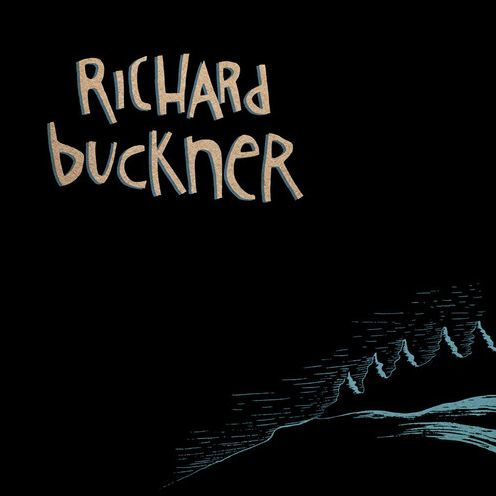
The Hill in Chattanooga, TN
Current price: $14.99
Barnes and Noble
The Hill in Chattanooga, TN
Current price: $14.99
Loading Inventory...
Size: OS
Richard Buckner
established himself as a supremely gifted singer and songwriter with a singular voice (both as a lyricist and a vocalist) on his first three albums (1994's
Bloomed
, 1997's
Devotion + Doubt
, and 1998's
Since
), so it came as a surprise to many when he picked an unlikely collaborator for his next project. After reading
Edgar Lee Masters
' Spoon River Anthology, a collection of poems first published in 1915 that allows the deceased residents of a small-town graveyard speak of their lives, secrets, and disappointments,
Buckner
chose to set a number of the poems to music, and eventually his interpretations of 18 of the Spoon River verses became his fourth album,
The Hill
. While
clearly had deep respect for
Masters
' work, making only the most minimal changes to his text, musically this is a challenging set, ranging from the stark a cappella of "Ollie McGee" and the nuanced folky textures of "Elizabeth Childers" to the thick, noisy guitar and electronic treatments of "Johnnie Sayre."
even goes so far as to interpret some of the poems without words, as the unfaithful "Mrs. Merritt" is represented with a bit of ghostly organ and curious squeals, and some muscular guitar strumming sums up the tale of her murderous lover, "Elmer Karr." In concept and execution,
found
exploring new territory and experimenting with new techniques (including recording much of it at home on a digital portastudio, as well as collaborating with
Joey Burns
and
John Convertino
on some tracks), and some bits work better than others. But
is a sterling example of
's gifts as an interpretive performer, an area he doesn't explore often, and he brilliantly inhabits the characters of
' poems, especially the drunken and luckless "Oscar Hummel," the eloquently lovelorn "Reuben Pantier," and a mother to be shorn of all hope, "Elizabeth Childers." With
,
began stepping out in a new creative direction, and if the album isn't as immediately effective or consistent as his first three offerings, at its best this is as powerful and poignant as anything he's ever released. [When
was first released by
Overcoat Recordings
in 2000, the CD was mastered as one 34-minute selection, with no index points for the individual selections. While
Merge Records
' 2015 reissue has the same packaging and no bonus songs, it has been remastered and is now broken into 18 separate songs, though it plays through as a suite as it always has. The quality of the audio is strong and for fans wanting to skip to particular bits of the cycle, being able to access individual tracks is invaluable, but the indexing in glitchy in spots, creating brief but noticeable bursts of distortion between selections. The
Merge
edition is overall a better buy, but the minor flaws in the mastering mar what is otherwise a careful presentation of a memorable recording.] ~ Mark Deming
established himself as a supremely gifted singer and songwriter with a singular voice (both as a lyricist and a vocalist) on his first three albums (1994's
Bloomed
, 1997's
Devotion + Doubt
, and 1998's
Since
), so it came as a surprise to many when he picked an unlikely collaborator for his next project. After reading
Edgar Lee Masters
' Spoon River Anthology, a collection of poems first published in 1915 that allows the deceased residents of a small-town graveyard speak of their lives, secrets, and disappointments,
Buckner
chose to set a number of the poems to music, and eventually his interpretations of 18 of the Spoon River verses became his fourth album,
The Hill
. While
clearly had deep respect for
Masters
' work, making only the most minimal changes to his text, musically this is a challenging set, ranging from the stark a cappella of "Ollie McGee" and the nuanced folky textures of "Elizabeth Childers" to the thick, noisy guitar and electronic treatments of "Johnnie Sayre."
even goes so far as to interpret some of the poems without words, as the unfaithful "Mrs. Merritt" is represented with a bit of ghostly organ and curious squeals, and some muscular guitar strumming sums up the tale of her murderous lover, "Elmer Karr." In concept and execution,
found
exploring new territory and experimenting with new techniques (including recording much of it at home on a digital portastudio, as well as collaborating with
Joey Burns
and
John Convertino
on some tracks), and some bits work better than others. But
is a sterling example of
's gifts as an interpretive performer, an area he doesn't explore often, and he brilliantly inhabits the characters of
' poems, especially the drunken and luckless "Oscar Hummel," the eloquently lovelorn "Reuben Pantier," and a mother to be shorn of all hope, "Elizabeth Childers." With
,
began stepping out in a new creative direction, and if the album isn't as immediately effective or consistent as his first three offerings, at its best this is as powerful and poignant as anything he's ever released. [When
was first released by
Overcoat Recordings
in 2000, the CD was mastered as one 34-minute selection, with no index points for the individual selections. While
Merge Records
' 2015 reissue has the same packaging and no bonus songs, it has been remastered and is now broken into 18 separate songs, though it plays through as a suite as it always has. The quality of the audio is strong and for fans wanting to skip to particular bits of the cycle, being able to access individual tracks is invaluable, but the indexing in glitchy in spots, creating brief but noticeable bursts of distortion between selections. The
Merge
edition is overall a better buy, but the minor flaws in the mastering mar what is otherwise a careful presentation of a memorable recording.] ~ Mark Deming
Richard Buckner
established himself as a supremely gifted singer and songwriter with a singular voice (both as a lyricist and a vocalist) on his first three albums (1994's
Bloomed
, 1997's
Devotion + Doubt
, and 1998's
Since
), so it came as a surprise to many when he picked an unlikely collaborator for his next project. After reading
Edgar Lee Masters
' Spoon River Anthology, a collection of poems first published in 1915 that allows the deceased residents of a small-town graveyard speak of their lives, secrets, and disappointments,
Buckner
chose to set a number of the poems to music, and eventually his interpretations of 18 of the Spoon River verses became his fourth album,
The Hill
. While
clearly had deep respect for
Masters
' work, making only the most minimal changes to his text, musically this is a challenging set, ranging from the stark a cappella of "Ollie McGee" and the nuanced folky textures of "Elizabeth Childers" to the thick, noisy guitar and electronic treatments of "Johnnie Sayre."
even goes so far as to interpret some of the poems without words, as the unfaithful "Mrs. Merritt" is represented with a bit of ghostly organ and curious squeals, and some muscular guitar strumming sums up the tale of her murderous lover, "Elmer Karr." In concept and execution,
found
exploring new territory and experimenting with new techniques (including recording much of it at home on a digital portastudio, as well as collaborating with
Joey Burns
and
John Convertino
on some tracks), and some bits work better than others. But
is a sterling example of
's gifts as an interpretive performer, an area he doesn't explore often, and he brilliantly inhabits the characters of
' poems, especially the drunken and luckless "Oscar Hummel," the eloquently lovelorn "Reuben Pantier," and a mother to be shorn of all hope, "Elizabeth Childers." With
,
began stepping out in a new creative direction, and if the album isn't as immediately effective or consistent as his first three offerings, at its best this is as powerful and poignant as anything he's ever released. [When
was first released by
Overcoat Recordings
in 2000, the CD was mastered as one 34-minute selection, with no index points for the individual selections. While
Merge Records
' 2015 reissue has the same packaging and no bonus songs, it has been remastered and is now broken into 18 separate songs, though it plays through as a suite as it always has. The quality of the audio is strong and for fans wanting to skip to particular bits of the cycle, being able to access individual tracks is invaluable, but the indexing in glitchy in spots, creating brief but noticeable bursts of distortion between selections. The
Merge
edition is overall a better buy, but the minor flaws in the mastering mar what is otherwise a careful presentation of a memorable recording.] ~ Mark Deming
established himself as a supremely gifted singer and songwriter with a singular voice (both as a lyricist and a vocalist) on his first three albums (1994's
Bloomed
, 1997's
Devotion + Doubt
, and 1998's
Since
), so it came as a surprise to many when he picked an unlikely collaborator for his next project. After reading
Edgar Lee Masters
' Spoon River Anthology, a collection of poems first published in 1915 that allows the deceased residents of a small-town graveyard speak of their lives, secrets, and disappointments,
Buckner
chose to set a number of the poems to music, and eventually his interpretations of 18 of the Spoon River verses became his fourth album,
The Hill
. While
clearly had deep respect for
Masters
' work, making only the most minimal changes to his text, musically this is a challenging set, ranging from the stark a cappella of "Ollie McGee" and the nuanced folky textures of "Elizabeth Childers" to the thick, noisy guitar and electronic treatments of "Johnnie Sayre."
even goes so far as to interpret some of the poems without words, as the unfaithful "Mrs. Merritt" is represented with a bit of ghostly organ and curious squeals, and some muscular guitar strumming sums up the tale of her murderous lover, "Elmer Karr." In concept and execution,
found
exploring new territory and experimenting with new techniques (including recording much of it at home on a digital portastudio, as well as collaborating with
Joey Burns
and
John Convertino
on some tracks), and some bits work better than others. But
is a sterling example of
's gifts as an interpretive performer, an area he doesn't explore often, and he brilliantly inhabits the characters of
' poems, especially the drunken and luckless "Oscar Hummel," the eloquently lovelorn "Reuben Pantier," and a mother to be shorn of all hope, "Elizabeth Childers." With
,
began stepping out in a new creative direction, and if the album isn't as immediately effective or consistent as his first three offerings, at its best this is as powerful and poignant as anything he's ever released. [When
was first released by
Overcoat Recordings
in 2000, the CD was mastered as one 34-minute selection, with no index points for the individual selections. While
Merge Records
' 2015 reissue has the same packaging and no bonus songs, it has been remastered and is now broken into 18 separate songs, though it plays through as a suite as it always has. The quality of the audio is strong and for fans wanting to skip to particular bits of the cycle, being able to access individual tracks is invaluable, but the indexing in glitchy in spots, creating brief but noticeable bursts of distortion between selections. The
Merge
edition is overall a better buy, but the minor flaws in the mastering mar what is otherwise a careful presentation of a memorable recording.] ~ Mark Deming
You May Also Like











More About Barnes and Noble at Hamilton Place
Barnes & Noble is the world’s largest retail bookseller and a leading retailer of content, digital media and educational products. Our Nook Digital business offers a lineup of NOOK® tablets and e-Readers and an expansive collection of digital reading content through the NOOK Store®. Barnes & Noble’s mission is to operate the best omni-channel specialty retail business in America, helping both our customers and booksellers reach their aspirations, while being a credit to the communities we serve.
2100 Hamilton Pl Blvd, Chattanooga, TN 37421, United States
Find Barnes and Noble at Hamilton Place in Chattanooga, TN
Visit Barnes and Noble at Hamilton Place in Chattanooga, TN
