
Home
the Herods: Murder, Politics, and Art of Succession
Barnes and Noble
Loading Inventory...

the Herods: Murder, Politics, and Art of Succession in Chattanooga, TN
Current price: $24.99
Barnes and Noble
the Herods: Murder, Politics, and Art of Succession in Chattanooga, TN
Current price: $24.99
Loading Inventory...
Size: Audiobook
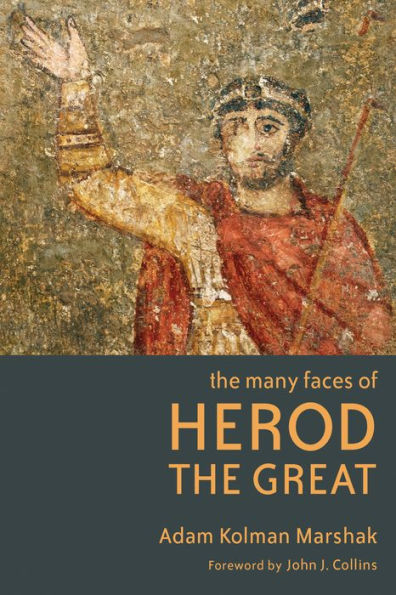
Until his death in 4 BCE, Herod the Great's monarchy included territories that once made up the kingdoms of Judah and Israel. Although he ruled over a rich, strategically crucial land, his royal title did not derive from heredity. His family came from the people of Idumea, ancient antagonists of the Israelites.
Yet Herod did not rule as an outsider, but from a family committed to Judaism going back to his grandfather and father. They had served the priestly dynasty of the Maccabees that had subjected Idumea to their rule, including the Maccabean version of what loyalty to the Torah required. Herod's father, Antipater, rose not only to manage affairs on behalf of his priestly masters, but to become a pivotal military leader. He inaugurated a new alignment of power: an alliance with Rome negotiated with Pompey and Julius Caesar. In the crucible of civil war among Romans as the Triumvirate broke up, and of war between Rome and Parthia, Antipater managed to leave his sons with the prospect of a dynasty.
Herod inherited the twin pillars of loyalty to Judaism and loyalty to Rome that became the basis of Herodian rule. He elevated Antipater's opportunism to a political art. During Herod's time, Roman power took its imperial form, and Octavian was responsible for making Herod king of Judea. As Octavian ruled, he took the title Augustus, in keeping with his devotion to his adoptive father's cult of "the divine Julius." Imperial power was a theocratic assertion as well as a dominant military, economic, and political force.
Herod framed a version of theocratic ambition all his own, deliberately crafting a dynastic claim grounded in Roman might and Israelite theocracy. That unlikely hybrid was the key to the Herodians' surprising longevity in power during the most chaotic century in the political history of Judaism.
Yet Herod did not rule as an outsider, but from a family committed to Judaism going back to his grandfather and father. They had served the priestly dynasty of the Maccabees that had subjected Idumea to their rule, including the Maccabean version of what loyalty to the Torah required. Herod's father, Antipater, rose not only to manage affairs on behalf of his priestly masters, but to become a pivotal military leader. He inaugurated a new alignment of power: an alliance with Rome negotiated with Pompey and Julius Caesar. In the crucible of civil war among Romans as the Triumvirate broke up, and of war between Rome and Parthia, Antipater managed to leave his sons with the prospect of a dynasty.
Herod inherited the twin pillars of loyalty to Judaism and loyalty to Rome that became the basis of Herodian rule. He elevated Antipater's opportunism to a political art. During Herod's time, Roman power took its imperial form, and Octavian was responsible for making Herod king of Judea. As Octavian ruled, he took the title Augustus, in keeping with his devotion to his adoptive father's cult of "the divine Julius." Imperial power was a theocratic assertion as well as a dominant military, economic, and political force.
Herod framed a version of theocratic ambition all his own, deliberately crafting a dynastic claim grounded in Roman might and Israelite theocracy. That unlikely hybrid was the key to the Herodians' surprising longevity in power during the most chaotic century in the political history of Judaism.
Until his death in 4 BCE, Herod the Great's monarchy included territories that once made up the kingdoms of Judah and Israel. Although he ruled over a rich, strategically crucial land, his royal title did not derive from heredity. His family came from the people of Idumea, ancient antagonists of the Israelites.
Yet Herod did not rule as an outsider, but from a family committed to Judaism going back to his grandfather and father. They had served the priestly dynasty of the Maccabees that had subjected Idumea to their rule, including the Maccabean version of what loyalty to the Torah required. Herod's father, Antipater, rose not only to manage affairs on behalf of his priestly masters, but to become a pivotal military leader. He inaugurated a new alignment of power: an alliance with Rome negotiated with Pompey and Julius Caesar. In the crucible of civil war among Romans as the Triumvirate broke up, and of war between Rome and Parthia, Antipater managed to leave his sons with the prospect of a dynasty.
Herod inherited the twin pillars of loyalty to Judaism and loyalty to Rome that became the basis of Herodian rule. He elevated Antipater's opportunism to a political art. During Herod's time, Roman power took its imperial form, and Octavian was responsible for making Herod king of Judea. As Octavian ruled, he took the title Augustus, in keeping with his devotion to his adoptive father's cult of "the divine Julius." Imperial power was a theocratic assertion as well as a dominant military, economic, and political force.
Herod framed a version of theocratic ambition all his own, deliberately crafting a dynastic claim grounded in Roman might and Israelite theocracy. That unlikely hybrid was the key to the Herodians' surprising longevity in power during the most chaotic century in the political history of Judaism.
Yet Herod did not rule as an outsider, but from a family committed to Judaism going back to his grandfather and father. They had served the priestly dynasty of the Maccabees that had subjected Idumea to their rule, including the Maccabean version of what loyalty to the Torah required. Herod's father, Antipater, rose not only to manage affairs on behalf of his priestly masters, but to become a pivotal military leader. He inaugurated a new alignment of power: an alliance with Rome negotiated with Pompey and Julius Caesar. In the crucible of civil war among Romans as the Triumvirate broke up, and of war between Rome and Parthia, Antipater managed to leave his sons with the prospect of a dynasty.
Herod inherited the twin pillars of loyalty to Judaism and loyalty to Rome that became the basis of Herodian rule. He elevated Antipater's opportunism to a political art. During Herod's time, Roman power took its imperial form, and Octavian was responsible for making Herod king of Judea. As Octavian ruled, he took the title Augustus, in keeping with his devotion to his adoptive father's cult of "the divine Julius." Imperial power was a theocratic assertion as well as a dominant military, economic, and political force.
Herod framed a version of theocratic ambition all his own, deliberately crafting a dynastic claim grounded in Roman might and Israelite theocracy. That unlikely hybrid was the key to the Herodians' surprising longevity in power during the most chaotic century in the political history of Judaism.
You May Also Like














More About Barnes and Noble at Hamilton Place
Barnes & Noble is the world’s largest retail bookseller and a leading retailer of content, digital media and educational products. Our Nook Digital business offers a lineup of NOOK® tablets and e-Readers and an expansive collection of digital reading content through the NOOK Store®. Barnes & Noble’s mission is to operate the best omni-channel specialty retail business in America, helping both our customers and booksellers reach their aspirations, while being a credit to the communities we serve.
2100 Hamilton Pl Blvd, Chattanooga, TN 37421, United States
Find Barnes and Noble at Hamilton Place in Chattanooga, TN
Visit Barnes and Noble at Hamilton Place in Chattanooga, TN
