
Home
The Healing Game [20th Anniversary Deluxe Edition]
Barnes and Noble
Loading Inventory...
![The Healing Game [20th Anniversary Deluxe Edition]](https://prodimage.images-bn.com/pimages/0889854284022_p0_v2_s600x595.jpg)
The Healing Game [20th Anniversary Deluxe Edition] in Chattanooga, TN
Current price: $23.99
Barnes and Noble
The Healing Game [20th Anniversary Deluxe Edition] in Chattanooga, TN
Current price: $23.99
Loading Inventory...
Size: CD
Van Morrison
never stopped recording during the 1990s, but for a little while it seemed as if he was disconnected from his muse. It wasn't so much his series of jazz cover albums -- he'd return to this vein often in subsequent decades -- but his songwriting that showed signs bitterness, particularly on 1995's
Days Like This
, where he seemed dismissive of the very notion of being a songwriter. In that light, it's hard not to see 1997's
The Healing Game
as a rejuvenation. Indeed, the album's very title suggests that
Morrison
is in the process of mending fences and reconnecting with a sense of joy, a process that began during his deep dive into
Mose Allison
and other bluesy jazz artists in the mid-'90s.
retains that sense of swing on
-- he also retains keyboardist
Georgie Fame
, who would become a fixture on
's albums over the next two decades -- and it invigorates a set of songs that aren't necessarily all that different from what he's been writing as of late; he's still specializing in ballads, blues, and folk-rock colored by R&B. The subtle differences make a difference, though, whether they lie in the lyrics or, especially, the music, which feels warmer and more relaxed than the album's relatively recent companions.
seems at home within the easy grooves of
, and while that alone is enough to make the album worth revisits, it's also true the album boasts a sturdy selection of songs, highlighted by the meditative title track, the searching "Rough God Goes Riding," and the impassioned "Fire in the Belly." ~ Stephen Thomas Erlewine
never stopped recording during the 1990s, but for a little while it seemed as if he was disconnected from his muse. It wasn't so much his series of jazz cover albums -- he'd return to this vein often in subsequent decades -- but his songwriting that showed signs bitterness, particularly on 1995's
Days Like This
, where he seemed dismissive of the very notion of being a songwriter. In that light, it's hard not to see 1997's
The Healing Game
as a rejuvenation. Indeed, the album's very title suggests that
Morrison
is in the process of mending fences and reconnecting with a sense of joy, a process that began during his deep dive into
Mose Allison
and other bluesy jazz artists in the mid-'90s.
retains that sense of swing on
-- he also retains keyboardist
Georgie Fame
, who would become a fixture on
's albums over the next two decades -- and it invigorates a set of songs that aren't necessarily all that different from what he's been writing as of late; he's still specializing in ballads, blues, and folk-rock colored by R&B. The subtle differences make a difference, though, whether they lie in the lyrics or, especially, the music, which feels warmer and more relaxed than the album's relatively recent companions.
seems at home within the easy grooves of
, and while that alone is enough to make the album worth revisits, it's also true the album boasts a sturdy selection of songs, highlighted by the meditative title track, the searching "Rough God Goes Riding," and the impassioned "Fire in the Belly." ~ Stephen Thomas Erlewine
Van Morrison
never stopped recording during the 1990s, but for a little while it seemed as if he was disconnected from his muse. It wasn't so much his series of jazz cover albums -- he'd return to this vein often in subsequent decades -- but his songwriting that showed signs bitterness, particularly on 1995's
Days Like This
, where he seemed dismissive of the very notion of being a songwriter. In that light, it's hard not to see 1997's
The Healing Game
as a rejuvenation. Indeed, the album's very title suggests that
Morrison
is in the process of mending fences and reconnecting with a sense of joy, a process that began during his deep dive into
Mose Allison
and other bluesy jazz artists in the mid-'90s.
retains that sense of swing on
-- he also retains keyboardist
Georgie Fame
, who would become a fixture on
's albums over the next two decades -- and it invigorates a set of songs that aren't necessarily all that different from what he's been writing as of late; he's still specializing in ballads, blues, and folk-rock colored by R&B. The subtle differences make a difference, though, whether they lie in the lyrics or, especially, the music, which feels warmer and more relaxed than the album's relatively recent companions.
seems at home within the easy grooves of
, and while that alone is enough to make the album worth revisits, it's also true the album boasts a sturdy selection of songs, highlighted by the meditative title track, the searching "Rough God Goes Riding," and the impassioned "Fire in the Belly." ~ Stephen Thomas Erlewine
never stopped recording during the 1990s, but for a little while it seemed as if he was disconnected from his muse. It wasn't so much his series of jazz cover albums -- he'd return to this vein often in subsequent decades -- but his songwriting that showed signs bitterness, particularly on 1995's
Days Like This
, where he seemed dismissive of the very notion of being a songwriter. In that light, it's hard not to see 1997's
The Healing Game
as a rejuvenation. Indeed, the album's very title suggests that
Morrison
is in the process of mending fences and reconnecting with a sense of joy, a process that began during his deep dive into
Mose Allison
and other bluesy jazz artists in the mid-'90s.
retains that sense of swing on
-- he also retains keyboardist
Georgie Fame
, who would become a fixture on
's albums over the next two decades -- and it invigorates a set of songs that aren't necessarily all that different from what he's been writing as of late; he's still specializing in ballads, blues, and folk-rock colored by R&B. The subtle differences make a difference, though, whether they lie in the lyrics or, especially, the music, which feels warmer and more relaxed than the album's relatively recent companions.
seems at home within the easy grooves of
, and while that alone is enough to make the album worth revisits, it's also true the album boasts a sturdy selection of songs, highlighted by the meditative title track, the searching "Rough God Goes Riding," and the impassioned "Fire in the Belly." ~ Stephen Thomas Erlewine
You May Also Like

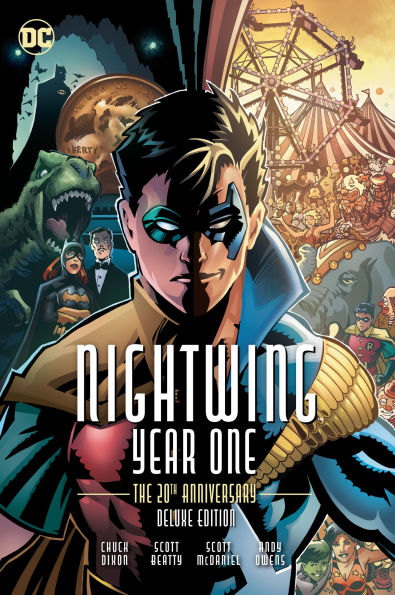
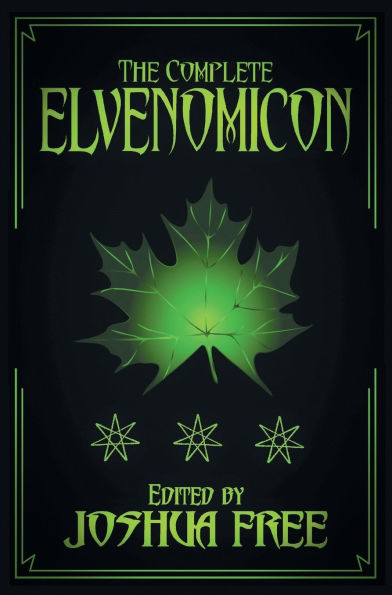

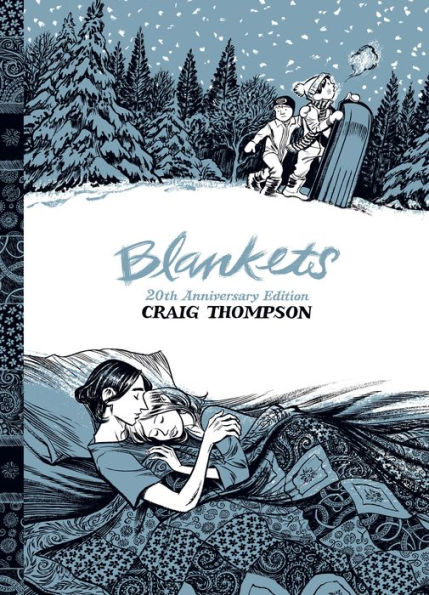


![Shrek [20th Anniversary Edition]](https://prodimage.images-bn.com/pimages/0191329160985_p0_v2_s600x595.jpg)

![Almost Famous [20th Anniversary Edition]](https://prodimage.images-bn.com/pimages/0602435496238_p0_v1_s600x595.jpg)








More About Barnes and Noble at Hamilton Place
Barnes & Noble is the world’s largest retail bookseller and a leading retailer of content, digital media and educational products. Our Nook Digital business offers a lineup of NOOK® tablets and e-Readers and an expansive collection of digital reading content through the NOOK Store®. Barnes & Noble’s mission is to operate the best omni-channel specialty retail business in America, helping both our customers and booksellers reach their aspirations, while being a credit to the communities we serve.
2100 Hamilton Pl Blvd, Chattanooga, TN 37421, United States
Find Barnes and Noble at Hamilton Place in Chattanooga, TN
Visit Barnes and Noble at Hamilton Place in Chattanooga, TN
