
Home
The Handbook of Complex Trauma and Dissociation Children: Theory, Research, Clinical Applications
Barnes and Noble
Loading Inventory...
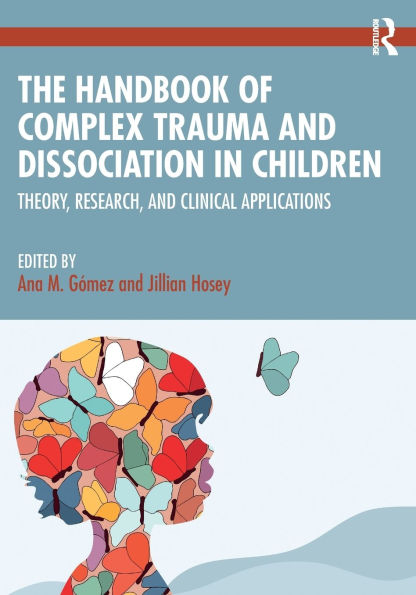
The Handbook of Complex Trauma and Dissociation Children: Theory, Research, Clinical Applications in Chattanooga, TN
Current price: $290.00
Barnes and Noble
The Handbook of Complex Trauma and Dissociation Children: Theory, Research, Clinical Applications in Chattanooga, TN
Current price: $290.00
Loading Inventory...
Size: Hardcover
The Handbook of Complex Trauma and Dissociation in Children: Theory, Research, and Clinical Applications
is a comprehensive and truly vital text for both experienced professionals and novice clinicians alike. In these pages, dozens of experts and pioneers thoroughly cover the complex nuances of theory, assessment, research, and clinical practice. Specific sections cover etiology, neurobiology, and various theoretical and conceptual models for working with the complexities of cumulative and chronic traumatization in childhood.
Additional sections cover standardized and non-standardized assessment and diagnostic tools, as well as the formulation and organization of the clinical interview with children and caregivers. Other chapters provide systematic and comprehensive reviews of current treatment modalities and effective approaches for treating children with complex trauma and dissociation across different stages of early development. The book’s co-editors bookend the volume with thorough explorations of the nuanced and multifaceted issues impacting children with complex trauma and dissociative symptoms and features.
is a comprehensive and truly vital text for both experienced professionals and novice clinicians alike. In these pages, dozens of experts and pioneers thoroughly cover the complex nuances of theory, assessment, research, and clinical practice. Specific sections cover etiology, neurobiology, and various theoretical and conceptual models for working with the complexities of cumulative and chronic traumatization in childhood.
Additional sections cover standardized and non-standardized assessment and diagnostic tools, as well as the formulation and organization of the clinical interview with children and caregivers. Other chapters provide systematic and comprehensive reviews of current treatment modalities and effective approaches for treating children with complex trauma and dissociation across different stages of early development. The book’s co-editors bookend the volume with thorough explorations of the nuanced and multifaceted issues impacting children with complex trauma and dissociative symptoms and features.
The Handbook of Complex Trauma and Dissociation in Children: Theory, Research, and Clinical Applications
is a comprehensive and truly vital text for both experienced professionals and novice clinicians alike. In these pages, dozens of experts and pioneers thoroughly cover the complex nuances of theory, assessment, research, and clinical practice. Specific sections cover etiology, neurobiology, and various theoretical and conceptual models for working with the complexities of cumulative and chronic traumatization in childhood.
Additional sections cover standardized and non-standardized assessment and diagnostic tools, as well as the formulation and organization of the clinical interview with children and caregivers. Other chapters provide systematic and comprehensive reviews of current treatment modalities and effective approaches for treating children with complex trauma and dissociation across different stages of early development. The book’s co-editors bookend the volume with thorough explorations of the nuanced and multifaceted issues impacting children with complex trauma and dissociative symptoms and features.
is a comprehensive and truly vital text for both experienced professionals and novice clinicians alike. In these pages, dozens of experts and pioneers thoroughly cover the complex nuances of theory, assessment, research, and clinical practice. Specific sections cover etiology, neurobiology, and various theoretical and conceptual models for working with the complexities of cumulative and chronic traumatization in childhood.
Additional sections cover standardized and non-standardized assessment and diagnostic tools, as well as the formulation and organization of the clinical interview with children and caregivers. Other chapters provide systematic and comprehensive reviews of current treatment modalities and effective approaches for treating children with complex trauma and dissociation across different stages of early development. The book’s co-editors bookend the volume with thorough explorations of the nuanced and multifaceted issues impacting children with complex trauma and dissociative symptoms and features.
You May Also Like









More About Barnes and Noble at Hamilton Place
Barnes & Noble is the world’s largest retail bookseller and a leading retailer of content, digital media and educational products. Our Nook Digital business offers a lineup of NOOK® tablets and e-Readers and an expansive collection of digital reading content through the NOOK Store®. Barnes & Noble’s mission is to operate the best omni-channel specialty retail business in America, helping both our customers and booksellers reach their aspirations, while being a credit to the communities we serve.
2100 Hamilton Pl Blvd, Chattanooga, TN 37421, United States
Find Barnes and Noble at Hamilton Place in Chattanooga, TN
Visit Barnes and Noble at Hamilton Place in Chattanooga, TN
