
Home
The Greenway Imperative: Connecting Communities and Landscapes for a Sustainable Future
Barnes and Noble
Loading Inventory...
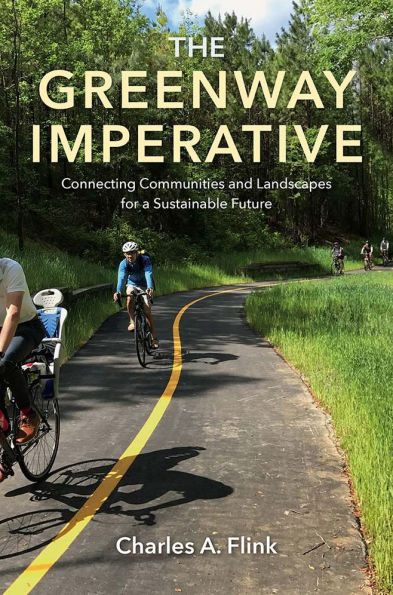
The Greenway Imperative: Connecting Communities and Landscapes for a Sustainable Future in Chattanooga, TN
Current price: $28.95
Barnes and Noble
The Greenway Imperative: Connecting Communities and Landscapes for a Sustainable Future in Chattanooga, TN
Current price: $28.95
Loading Inventory...
Size: Hardcover
Trailblazing greenway projects from vision to reality
In this eyeopening journey through some of America’s most innovative landscape architecture projects, Charles Flink shows why we urgently need greenways. A leading authority in greenway planning, design, and development, Flink presents inspiring examples of communities that have come together to build permanent spaces for the lifesustaining power of nature.
The Greenway Imperative
reveals the stories behind a variety of multiuse natural corridors, taking readers to Grand Canyon National Park, suburban North Carolina, the banks of the Miami River, and many other settings. Flink, who was closely involved with each of the projects in this book during his 35year career, introduces the people who jumpstarted these initiatives and the challenges they overcame in achieving them. Flink explains why open green spaces are increasingly critical today. “Much more than a path through the woods,” he says, greenways conserve irreplaceable real estate for the environment, serve as essential green infrastructure, shape the way people travel within their communities, reduce impact from flooding and other natural disasters, and boost the economies of cities and towns. Greenways can and should dramatically reshape the landscape of America in the coming years, Flink argues. He provides valuable reflections and guidance on how we can create resilient communities and satisfy the human need for connection with the natural world.
In this eyeopening journey through some of America’s most innovative landscape architecture projects, Charles Flink shows why we urgently need greenways. A leading authority in greenway planning, design, and development, Flink presents inspiring examples of communities that have come together to build permanent spaces for the lifesustaining power of nature.
The Greenway Imperative
reveals the stories behind a variety of multiuse natural corridors, taking readers to Grand Canyon National Park, suburban North Carolina, the banks of the Miami River, and many other settings. Flink, who was closely involved with each of the projects in this book during his 35year career, introduces the people who jumpstarted these initiatives and the challenges they overcame in achieving them. Flink explains why open green spaces are increasingly critical today. “Much more than a path through the woods,” he says, greenways conserve irreplaceable real estate for the environment, serve as essential green infrastructure, shape the way people travel within their communities, reduce impact from flooding and other natural disasters, and boost the economies of cities and towns. Greenways can and should dramatically reshape the landscape of America in the coming years, Flink argues. He provides valuable reflections and guidance on how we can create resilient communities and satisfy the human need for connection with the natural world.
Trailblazing greenway projects from vision to reality
In this eyeopening journey through some of America’s most innovative landscape architecture projects, Charles Flink shows why we urgently need greenways. A leading authority in greenway planning, design, and development, Flink presents inspiring examples of communities that have come together to build permanent spaces for the lifesustaining power of nature.
The Greenway Imperative
reveals the stories behind a variety of multiuse natural corridors, taking readers to Grand Canyon National Park, suburban North Carolina, the banks of the Miami River, and many other settings. Flink, who was closely involved with each of the projects in this book during his 35year career, introduces the people who jumpstarted these initiatives and the challenges they overcame in achieving them. Flink explains why open green spaces are increasingly critical today. “Much more than a path through the woods,” he says, greenways conserve irreplaceable real estate for the environment, serve as essential green infrastructure, shape the way people travel within their communities, reduce impact from flooding and other natural disasters, and boost the economies of cities and towns. Greenways can and should dramatically reshape the landscape of America in the coming years, Flink argues. He provides valuable reflections and guidance on how we can create resilient communities and satisfy the human need for connection with the natural world.
In this eyeopening journey through some of America’s most innovative landscape architecture projects, Charles Flink shows why we urgently need greenways. A leading authority in greenway planning, design, and development, Flink presents inspiring examples of communities that have come together to build permanent spaces for the lifesustaining power of nature.
The Greenway Imperative
reveals the stories behind a variety of multiuse natural corridors, taking readers to Grand Canyon National Park, suburban North Carolina, the banks of the Miami River, and many other settings. Flink, who was closely involved with each of the projects in this book during his 35year career, introduces the people who jumpstarted these initiatives and the challenges they overcame in achieving them. Flink explains why open green spaces are increasingly critical today. “Much more than a path through the woods,” he says, greenways conserve irreplaceable real estate for the environment, serve as essential green infrastructure, shape the way people travel within their communities, reduce impact from flooding and other natural disasters, and boost the economies of cities and towns. Greenways can and should dramatically reshape the landscape of America in the coming years, Flink argues. He provides valuable reflections and guidance on how we can create resilient communities and satisfy the human need for connection with the natural world.
You May Also Like













More About Barnes and Noble at Hamilton Place
Barnes & Noble is the world’s largest retail bookseller and a leading retailer of content, digital media and educational products. Our Nook Digital business offers a lineup of NOOK® tablets and e-Readers and an expansive collection of digital reading content through the NOOK Store®. Barnes & Noble’s mission is to operate the best omni-channel specialty retail business in America, helping both our customers and booksellers reach their aspirations, while being a credit to the communities we serve.
2100 Hamilton Pl Blvd, Chattanooga, TN 37421, United States
Find Barnes and Noble at Hamilton Place in Chattanooga, TN
Visit Barnes and Noble at Hamilton Place in Chattanooga, TN
