
Home
the End of History and Last King: Achaemenid Ideology Community Identity Ezra-Nehemiah
Barnes and Noble
Loading Inventory...
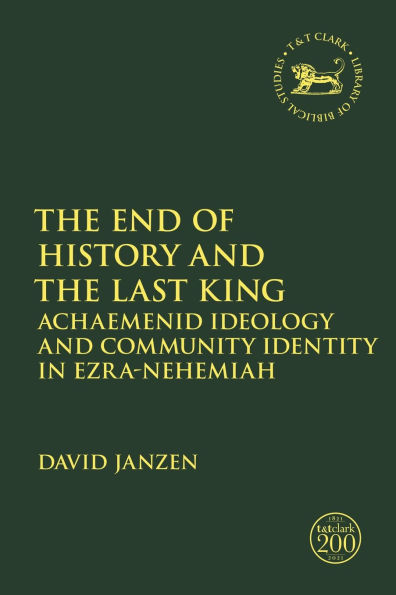
the End of History and Last King: Achaemenid Ideology Community Identity Ezra-Nehemiah in Chattanooga, TN
Current price: $130.00
Barnes and Noble
the End of History and Last King: Achaemenid Ideology Community Identity Ezra-Nehemiah in Chattanooga, TN
Current price: $130.00
Loading Inventory...
Size: Hardcover
This book examines community identity in the post-exilic temple community in Ezra-Nehemiah, and explores the possible influences that the Achaemenids, the ruling Persian dynasty, might have had on its construction. In the book, David Janzen reads Ezra-Nehemiah in dialogue with the Achaemenids' Old Persian inscriptions, as well as with other media the dynasty used, such as reliefs, seals, coins, architecture, and imperial parks. In addition, he discusses the cultural and religious background of Achaemenid thought, especially its intersections with Zoroastrian beliefs.
Ezra-Nehemiah, Janzen argues, accepts Achaemenid claims for the necessity and beneficence of their hegemony. The result is that Ezra-Nehemiah, like the imperial ideology it mimics, claims that divine and royal wills are entirely aligned. Ezra-Nehemiah reflects the Achaemenid assertion that the peoples they have colonized are incapable of living in peace and happiness without the Persian rule that God established to benefit humanity, and that the dynasty rewards the peoples who do what they desire, since that reflects divine desire.
The final chapter of the book argues that Ezra-Nehemiah was produced by an elite group within the Persian-period temple assembly, and shows that Ezra-Nehemiah's pro-Achaemenid worldview was not widely accepted within that community.
Ezra-Nehemiah, Janzen argues, accepts Achaemenid claims for the necessity and beneficence of their hegemony. The result is that Ezra-Nehemiah, like the imperial ideology it mimics, claims that divine and royal wills are entirely aligned. Ezra-Nehemiah reflects the Achaemenid assertion that the peoples they have colonized are incapable of living in peace and happiness without the Persian rule that God established to benefit humanity, and that the dynasty rewards the peoples who do what they desire, since that reflects divine desire.
The final chapter of the book argues that Ezra-Nehemiah was produced by an elite group within the Persian-period temple assembly, and shows that Ezra-Nehemiah's pro-Achaemenid worldview was not widely accepted within that community.
This book examines community identity in the post-exilic temple community in Ezra-Nehemiah, and explores the possible influences that the Achaemenids, the ruling Persian dynasty, might have had on its construction. In the book, David Janzen reads Ezra-Nehemiah in dialogue with the Achaemenids' Old Persian inscriptions, as well as with other media the dynasty used, such as reliefs, seals, coins, architecture, and imperial parks. In addition, he discusses the cultural and religious background of Achaemenid thought, especially its intersections with Zoroastrian beliefs.
Ezra-Nehemiah, Janzen argues, accepts Achaemenid claims for the necessity and beneficence of their hegemony. The result is that Ezra-Nehemiah, like the imperial ideology it mimics, claims that divine and royal wills are entirely aligned. Ezra-Nehemiah reflects the Achaemenid assertion that the peoples they have colonized are incapable of living in peace and happiness without the Persian rule that God established to benefit humanity, and that the dynasty rewards the peoples who do what they desire, since that reflects divine desire.
The final chapter of the book argues that Ezra-Nehemiah was produced by an elite group within the Persian-period temple assembly, and shows that Ezra-Nehemiah's pro-Achaemenid worldview was not widely accepted within that community.
Ezra-Nehemiah, Janzen argues, accepts Achaemenid claims for the necessity and beneficence of their hegemony. The result is that Ezra-Nehemiah, like the imperial ideology it mimics, claims that divine and royal wills are entirely aligned. Ezra-Nehemiah reflects the Achaemenid assertion that the peoples they have colonized are incapable of living in peace and happiness without the Persian rule that God established to benefit humanity, and that the dynasty rewards the peoples who do what they desire, since that reflects divine desire.
The final chapter of the book argues that Ezra-Nehemiah was produced by an elite group within the Persian-period temple assembly, and shows that Ezra-Nehemiah's pro-Achaemenid worldview was not widely accepted within that community.
You May Also Like















More About Barnes and Noble at Hamilton Place
Barnes & Noble is the world’s largest retail bookseller and a leading retailer of content, digital media and educational products. Our Nook Digital business offers a lineup of NOOK® tablets and e-Readers and an expansive collection of digital reading content through the NOOK Store®. Barnes & Noble’s mission is to operate the best omni-channel specialty retail business in America, helping both our customers and booksellers reach their aspirations, while being a credit to the communities we serve.
2100 Hamilton Pl Blvd, Chattanooga, TN 37421, United States
Find Barnes and Noble at Hamilton Place in Chattanooga, TN
Visit Barnes and Noble at Hamilton Place in Chattanooga, TN
