
Home
The Empathy Paradox
Barnes and Noble
Loading Inventory...
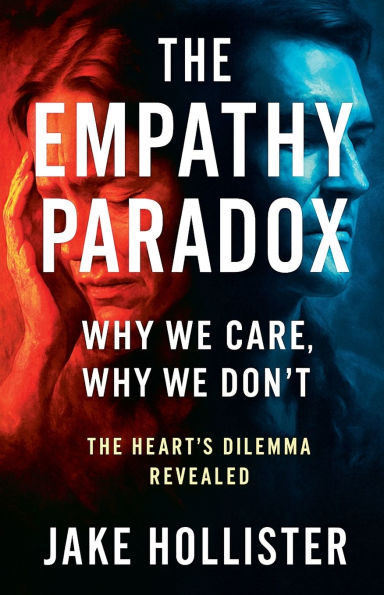
The Empathy Paradox in Chattanooga, TN
Current price: $75.99
Barnes and Noble
The Empathy Paradox in Chattanooga, TN
Current price: $75.99
Loading Inventory...
Size: Paperback
Why do we feel a stranger's pain yet ignore a neighbor's suffering?
Why do some act with boundless compassion, while others turn away coldly?
The Empathy Paradox: Why We Care, Why We Don't
unravels the emotional, neurological, and cultural threads behind one of humanity's most complex traits:
empathy
.
Drawing from cutting-edge
affective neuroscience
,
social psychology
, and real-world case studies, this thought-provoking book dives deep into the
psychology of empathy
, exploring how
mirror neurons
oxytocin
, and
emotional resonance
shape the way we connect - or fail to. You'll discover how
cognitive and affective empathy
differ, how
compassion fatigue
sets in, and why
empathy burnout
is increasingly common in caregivers, doctors, and activists.
But this isn't just about science - it's about society.
In a world divided by ideology, race, and class, we examine the
racial empathy gap
, the impact of
dehumanization
, and how
ingroup bias
distorts our moral lens. From
digital empathy
on social media to
emotional detachment
in professional roles, the book investigates why
empathy erosion
threatens meaningful connection in the
digital age
Can we
build empathy
in a world that seems to reward indifference? Can
emotional intelligence
be taught, revived, or reshaped through
cultural empathy
and
compassion training
?
Perfect for readers of Brené Brown, Yuval Noah Harari, and Daniel Goleman,
The Empathy Paradox
is both a
scientific exploration
and a moral call to action. It challenges us to understand not just how we feel for others - but why we sometimes don't.
Whether you're a psychologist, a teacher, a leader, or simply someone who wants to understand human nature better, this book offers vital insight into one of the most urgent emotional questions of our time.
Why do some act with boundless compassion, while others turn away coldly?
The Empathy Paradox: Why We Care, Why We Don't
unravels the emotional, neurological, and cultural threads behind one of humanity's most complex traits:
empathy
.
Drawing from cutting-edge
affective neuroscience
,
social psychology
, and real-world case studies, this thought-provoking book dives deep into the
psychology of empathy
, exploring how
mirror neurons
oxytocin
, and
emotional resonance
shape the way we connect - or fail to. You'll discover how
cognitive and affective empathy
differ, how
compassion fatigue
sets in, and why
empathy burnout
is increasingly common in caregivers, doctors, and activists.
But this isn't just about science - it's about society.
In a world divided by ideology, race, and class, we examine the
racial empathy gap
, the impact of
dehumanization
, and how
ingroup bias
distorts our moral lens. From
digital empathy
on social media to
emotional detachment
in professional roles, the book investigates why
empathy erosion
threatens meaningful connection in the
digital age
Can we
build empathy
in a world that seems to reward indifference? Can
emotional intelligence
be taught, revived, or reshaped through
cultural empathy
and
compassion training
?
Perfect for readers of Brené Brown, Yuval Noah Harari, and Daniel Goleman,
The Empathy Paradox
is both a
scientific exploration
and a moral call to action. It challenges us to understand not just how we feel for others - but why we sometimes don't.
Whether you're a psychologist, a teacher, a leader, or simply someone who wants to understand human nature better, this book offers vital insight into one of the most urgent emotional questions of our time.
Why do we feel a stranger's pain yet ignore a neighbor's suffering?
Why do some act with boundless compassion, while others turn away coldly?
The Empathy Paradox: Why We Care, Why We Don't
unravels the emotional, neurological, and cultural threads behind one of humanity's most complex traits:
empathy
.
Drawing from cutting-edge
affective neuroscience
,
social psychology
, and real-world case studies, this thought-provoking book dives deep into the
psychology of empathy
, exploring how
mirror neurons
oxytocin
, and
emotional resonance
shape the way we connect - or fail to. You'll discover how
cognitive and affective empathy
differ, how
compassion fatigue
sets in, and why
empathy burnout
is increasingly common in caregivers, doctors, and activists.
But this isn't just about science - it's about society.
In a world divided by ideology, race, and class, we examine the
racial empathy gap
, the impact of
dehumanization
, and how
ingroup bias
distorts our moral lens. From
digital empathy
on social media to
emotional detachment
in professional roles, the book investigates why
empathy erosion
threatens meaningful connection in the
digital age
Can we
build empathy
in a world that seems to reward indifference? Can
emotional intelligence
be taught, revived, or reshaped through
cultural empathy
and
compassion training
?
Perfect for readers of Brené Brown, Yuval Noah Harari, and Daniel Goleman,
The Empathy Paradox
is both a
scientific exploration
and a moral call to action. It challenges us to understand not just how we feel for others - but why we sometimes don't.
Whether you're a psychologist, a teacher, a leader, or simply someone who wants to understand human nature better, this book offers vital insight into one of the most urgent emotional questions of our time.
Why do some act with boundless compassion, while others turn away coldly?
The Empathy Paradox: Why We Care, Why We Don't
unravels the emotional, neurological, and cultural threads behind one of humanity's most complex traits:
empathy
.
Drawing from cutting-edge
affective neuroscience
,
social psychology
, and real-world case studies, this thought-provoking book dives deep into the
psychology of empathy
, exploring how
mirror neurons
oxytocin
, and
emotional resonance
shape the way we connect - or fail to. You'll discover how
cognitive and affective empathy
differ, how
compassion fatigue
sets in, and why
empathy burnout
is increasingly common in caregivers, doctors, and activists.
But this isn't just about science - it's about society.
In a world divided by ideology, race, and class, we examine the
racial empathy gap
, the impact of
dehumanization
, and how
ingroup bias
distorts our moral lens. From
digital empathy
on social media to
emotional detachment
in professional roles, the book investigates why
empathy erosion
threatens meaningful connection in the
digital age
Can we
build empathy
in a world that seems to reward indifference? Can
emotional intelligence
be taught, revived, or reshaped through
cultural empathy
and
compassion training
?
Perfect for readers of Brené Brown, Yuval Noah Harari, and Daniel Goleman,
The Empathy Paradox
is both a
scientific exploration
and a moral call to action. It challenges us to understand not just how we feel for others - but why we sometimes don't.
Whether you're a psychologist, a teacher, a leader, or simply someone who wants to understand human nature better, this book offers vital insight into one of the most urgent emotional questions of our time.
You May Also Like















More About Barnes and Noble at Hamilton Place
Barnes & Noble is the world’s largest retail bookseller and a leading retailer of content, digital media and educational products. Our Nook Digital business offers a lineup of NOOK® tablets and e-Readers and an expansive collection of digital reading content through the NOOK Store®. Barnes & Noble’s mission is to operate the best omni-channel specialty retail business in America, helping both our customers and booksellers reach their aspirations, while being a credit to the communities we serve.
2100 Hamilton Pl Blvd, Chattanooga, TN 37421, United States
Find Barnes and Noble at Hamilton Place in Chattanooga, TN
Visit Barnes and Noble at Hamilton Place in Chattanooga, TN
